Boeing 777X Set for 2027 Debut With New Cabin Features

Co-Founder & CTOCo-Founder & CTO driving the technology and data systems behind Omni Flights.
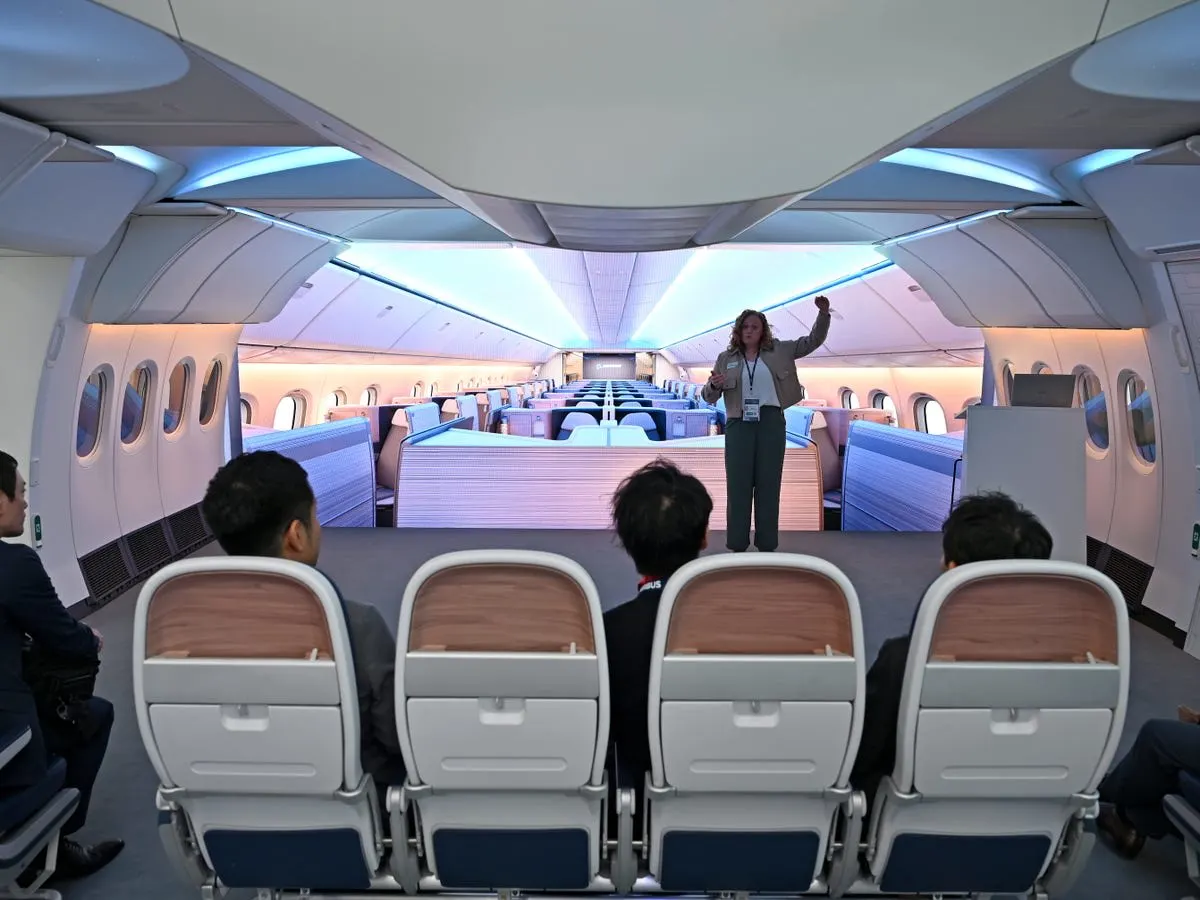
Boeing's 777X is expected to enter service in 2027, featuring cabin innovations designed to improve passenger comfort and premium travel capacity.
Key Takeaways
- •Boeing 777X is expected to enter commercial service in 2027.
- •The 777-9 variant features a 426-passenger capacity in two classes.
- •Boeing has accrued over $15 billion in 777X program charges.
- •Customizable LED lighting helps passengers adjust to time zone changes.
The 777X Path to Certification
After seven years of development delays and over $15 billion in program charges, the Boeing 777X is finally expected to enter service in 2027. The aircraft, which stands as the world's largest twin-engine widebody in production, represents a critical milestone for Boeing Commercial Airplanes. According to Boeing's Q2 2026 earnings release, company executives have reiterated that the larger 777-9 variant remains on track for its 2027 debut. With over 560 collective orders, the aircraft is a cornerstone for airlines looking to replace aging widebodies and capitalize on surging demand for premium travel.
Cabin Innovation and Design Strategy
Justin Hale, Boeing's managing director of product marketing, analysis, and competitive intelligence, recently outlined the strategic design choices behind the 777X. The cabin architecture focuses on maximizing space and passenger well-being. By thinning sidewalls and insulation, Boeing has created a cabin that is wider than its predecessor and the competing Airbus A350-1000. This design allows the 777X to maintain a 10-abreast economy layout while providing passengers with up to 18 inches of seat width.
Premium Cabin Real Estate
To meet the demand for high-end travel, Boeing has optimized the 777-8 and 777-9 interior layouts. By moving exit doors further aft, the manufacturer has created larger, uninterrupted zones for premium cabins. This configuration flexibility is essential for airlines seeking to install complex, custom business-class products. However, the complexity of these seats has occasionally hindered deployment; for instance, Lufthansa's Allegris business class seats faced certification hurdles on other fleet types, a challenge Boeing is working to mitigate through pre-certified catalog options.
Passenger-Centric Cabin Features
As detailed on Boeing's 777X product page, the aircraft introduces several passenger-focused enhancements:
- Customizable Lighting: A new LED (Light-Emitting Diode) system allows airlines to simulate natural light cycles, such as sunrises or the northern lights, to help passengers manage circadian rhythms.
- Enhanced Windows: The windows are the second-largest in the industry, positioned higher on the sidewall to improve sightlines.
- Dimmable Technology: Retaining the dimmable window technology from the 787, the 777X provides middle-seat passengers a peripheral reference to the horizon, which is designed to reduce discomfort during long-haul flights.
- Bin Architecture: The removal of center overhead bins in premium sections creates a vaulted arch, increasing the perceived vertical space.
777-9 vs. A350-1000: Key Specifications
| Metric | Boeing 777-9 | Airbus A350-1000 |
|---|---|---|
| Cabin Width | Up to 16 inches wider | Baseline |
| Passenger Capacity | 426 (two-class) | 350-410 |
| Engines | GE9X | Rolls-Royce Trent XWB-97 |
The Financial and Operational Stakes
The 777X program faces significant pressure to restore market confidence. Launch customers like Emirates have voiced public frustration regarding the financial burden of operating older, less efficient jets while awaiting the new aircraft. This tension highlights the broader industry trend where prolonged Federal Aviation Administration (FAA) certification timelines force carriers to extend the life of aging fleets. Historically, the 777X mirrors the development challenges of the Airbus A380 and the Boeing 787, both of which experienced significant delays before ultimately reshaping their respective market segments.
Why This Matters for Airlines
For global carriers, the 777X is more than a new aircraft; it is a vital tool for long-haul route expansion. The ability to configure premium-heavy cabins directly addresses the current shift toward luxury travel demand. Successfully navigating the final stages of FAA certification is essential for Boeing to begin deliveries and satisfy the backlog of orders from major carriers like Lufthansa.
Frequently Asked Questions
- When is the Boeing 777X expected to enter service?
- Boeing currently expects the 777-9 variant to enter commercial passenger service in 2027.
- What cabin width improvements does the 777X offer?
- The 777X features a wider cabin than its predecessor and the Airbus A350-1000, achieved by thinning the sidewalls and insulation. This allows for a 10-abreast economy seating configuration with up to 18 inches of seat width.
Visit omniflights.com for the latest commercial aviation news and airline industry updates. Stay informed on aviation incidents, investigations, and best practices in the Safety category at omniflights.com/safety.
Written by Shashank Shukla
Co-Founder & CTO leading the engineering and AI systems behind Omni Flights. Covers aviation technology, flight safety, aircraft manufacturing, and emerging aerospace developments.
Visit ProfileYou Might Also Like
Discover more aviation news based on similar topics
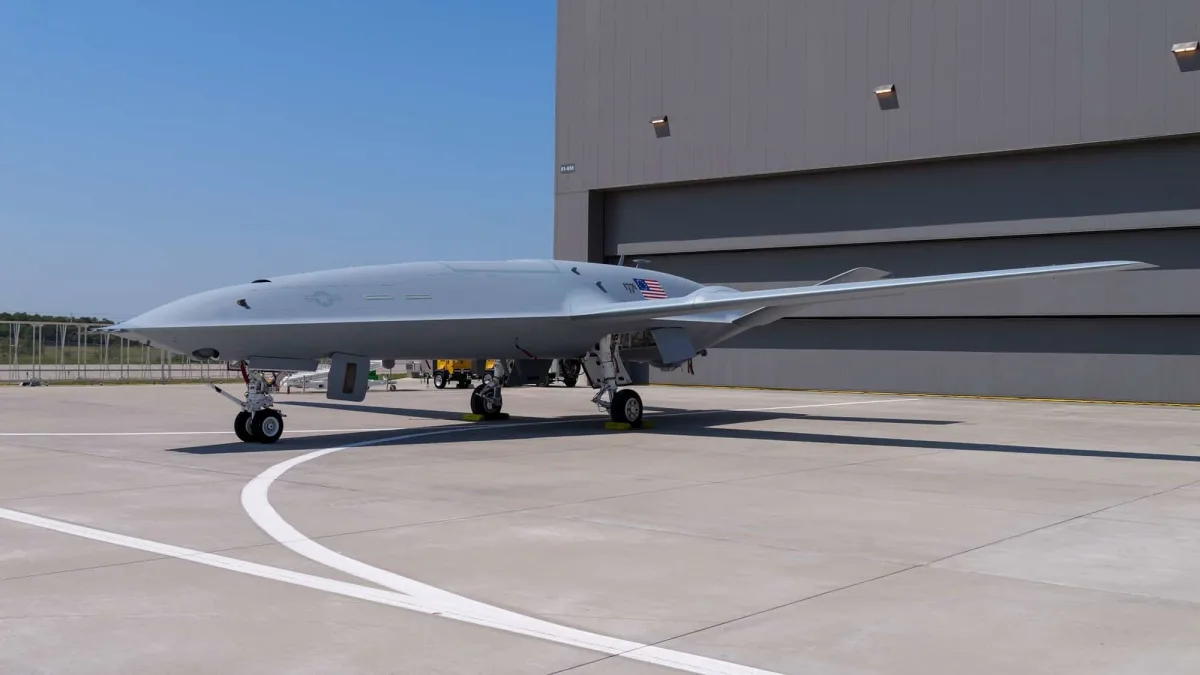
Boeing Awarded $562M Contract for MQ-25 Stingray Production
The U.S. Navy awarded Boeing a $562 million contract for the first three MQ-25 Stingray unmanned aerial refueling tankers, with deliveries expected in...

Boeing Logs 15 Gross Orders Including 13 787 Dreamliners
Boeing recorded 15 gross orders in August 2026, featuring 13 widebody 787 Dreamliner commitments from undisclosed customers.

Hermeus Gets FAA Approval for Mach 1+ Drone Test Flights
The FAA authorized Hermeus to conduct six supersonic test flights of its Quarterhorse Mk 2.2 drone at White Sands through August 2027.
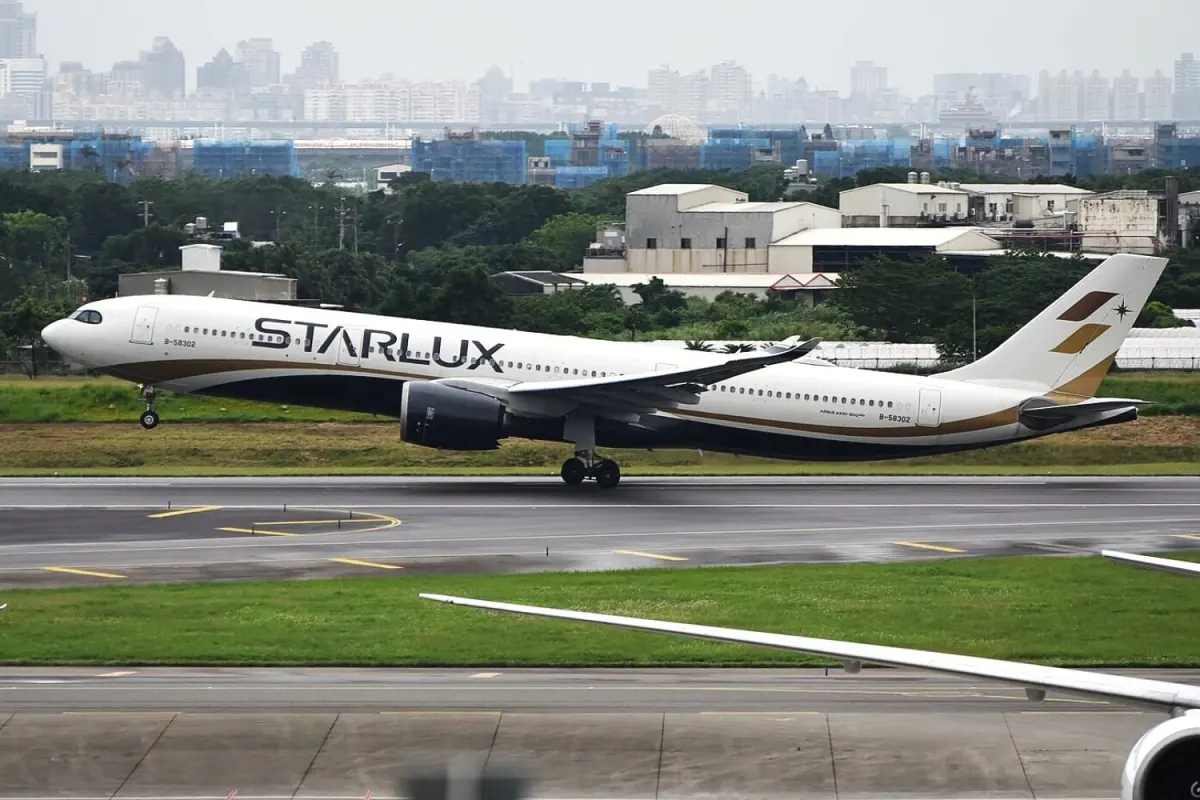
Airbus Deliveries Slow to 57, Putting 870 Target at Risk
Airbus delivered 57 aircraft in August 2026, requiring a surge to 99 monthly deliveries to meet its full-year target of 870.
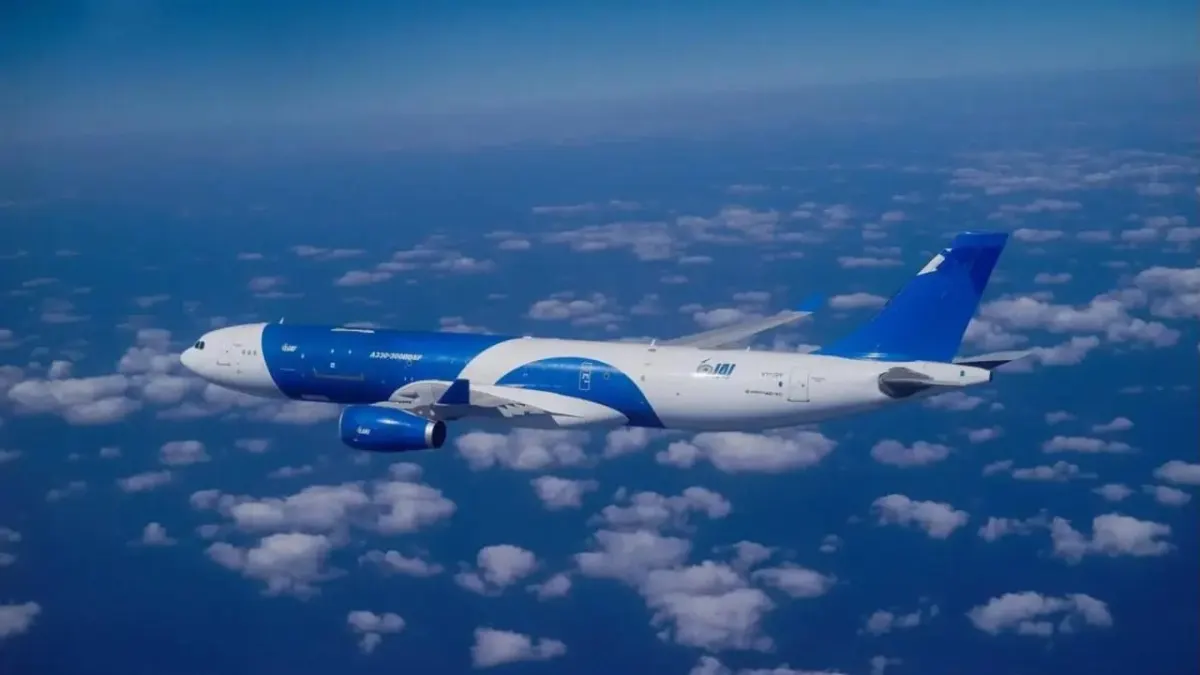
IAI Completes First Flight of A330-300BDSF Cargo Conversion
Israel Aerospace Industries successfully completed the first flight of its A330-300BDSF, an Airbus widebody converted for cargo operations.

Embraer Delivers 2,000th E-Jet to Azul Linhas Aéreas
Embraer reached a major milestone with the delivery of its 2,000th E-Jet, an E195-E2, to Brazilian operator Azul Linhas Aéreas on September 2, 2026.