Boeing 777X Testing Spills Into 2027 Amid Certification Hurdles

Co-Founder & CTOCo-Founder & CTO driving the technology and data systems behind Omni Flights.

Boeing expects some 777X testing to extend into 2027, though the manufacturer maintains its target for the first delivery of the aircraft that year.
Key Takeaways
- •Boeing 777X testing will likely spill into 2027.
- •First 777X delivery remains targeted for 2027.
- •Program costs have reached approximately $15 billion.
- •Mid-seal certification is required before ETOPS testing.
Program Status and Testing Timeline
Boeing Co. has indicated that some testing for the Boeing 777X is expected to spill into 2027, highlighting the ongoing challenges in bringing the long-range, wide-body aircraft to market. Despite this shift in the testing schedule, the US planemaker reiterated its commitment to achieving the first delivery of the 777-9 variant in 2027. This update was provided by company executives during the Morgan Stanley Laguna Conference on September 16, 2026, as the company navigates a complex certification environment. The Boeing 777X delays have persisted for years, with the program currently running approximately seven years behind its original 2020 entry-into-service target. To date, the company has accumulated roughly $15 billion in abnormal costs and charges associated with the program's development.
Regulatory and Technical Hurdles
The path to certification involves rigorous oversight from the Federal Aviation Administration (FAA). The agency is currently granting Type Inspection Authorization (TIA) in a phased, deliberate manner, which Boeing must receive before it can earn official certification credit on required flight tests. A critical technical bottleneck involves the mid-seal certification plan, which must be completed before the Federal Aviation Administration (FAA) grants authorization to begin Extended-range Twin-engine Operations Performance Standards (ETOPS) testing. Executives noted that until this mid-seal plan is finalized, the company remains unable to proceed with the necessary extended-range flight assessments. This regulatory caution reflects an industry-wide trend of enhanced scrutiny following the 737 MAX crisis, where the Federal Aviation Administration (FAA) has shifted toward a more deliberate, phased certification approach for all new aircraft models.
Stakeholder and Production Impacts
The extended timeline creates significant operational pressure for 777X launch customers, such as Lufthansa and Emirates, which have been forced to extend leases on older, less fuel-efficient aircraft to maintain long-haul capacity. Additionally, the program faces potential labor risks, as the Society of Professional Engineering Employees in Aerospace (SPEEA) union could initiate a work stoppage that would disrupt ongoing certification efforts. Beyond the wide-body program, Boeing is also managing production constraints for its narrow-body fleet. Executives confirmed that the 737 MAX production rate target of 47 aircraft per month is taking longer to stabilize than anticipated, largely due to ongoing wing production flow improvements required at the factory level.
777-9 vs. 777-300ER: Key Specifications
| Metric | Boeing 777-9 | Boeing 777-300ER |
|---|---|---|
| Seating Capacity | 426 passengers | 396 passengers |
| Range | 7,285 nm | 7,370 nm |
| Wingspan | 235 ft 5 in (extended) | 212 ft 7 in |
| Engines | GE9X | GE90 |
The Certification Path and Future Milestones
The trajectory of the 777X program aligns with historical challenges seen in previous wide-body launches. In 2008, the Boeing 787 Dreamliner faced similar delays due to supply chain issues and testing anomalies, ultimately entering service in 2011, more than three years late. This precedent underscores the difficulty of delivering clean-sheet aircraft under modern regulatory requirements. Boeing's current focus remains on clearing the TIA blocks and securing ETOPS authorization. While the testing timeline is now expected to extend into 2027, the company is prioritizing stable certification over aggressive, potentially unachievable, earlier deadlines.
Why This Matters for Long-Haul Capacity
The ongoing delay in the 777X program is a critical signal for the global aviation market, as it continues to constrain the supply of high-capacity, fuel-efficient wide-body aircraft. For airlines, the ripple effect of these delays forces a reliance on aging fleets, which impacts both maintenance costs and long-term sustainability goals. Furthermore, the deliberate pace of the Federal Aviation Administration (FAA) serves as a clear indicator that the regulatory environment for new aircraft certification has fundamentally changed, prioritizing rigorous, phased validation over rapid speed-to-market strategies.
Frequently Asked Questions
- Why is the Boeing 777X testing schedule extending into 2027?
- The testing schedule is extending due to ongoing certification processes, including the requirement to complete a mid-seal certification plan before the FAA grants authorization for Extended-range Twin-engine Operations Performance Standards (ETOPS) testing.
- What is the current delivery target for the first Boeing 777X?
- Despite testing delays, Boeing maintains its target to deliver the first 777X aircraft in 2027.
omniflights.com provides comprehensive commercial aviation news covering airlines, aircraft, and airports. For detailed airline coverage, route changes, and fleet moves, explore the Airlines section at omniflights.com/airlines.
Written by Shashank Shukla
Co-Founder & CTO leading the engineering and AI systems behind Omni Flights. Covers aviation technology, flight safety, aircraft manufacturing, and emerging aerospace developments.
Visit ProfileYou Might Also Like
Discover more aviation news based on similar topics

Airbus A350F Completes Ground Tests Before Maiden Flight
Airbus has finished initial ground tests for the A350F, with the freighter set for a late 2026 maiden flight and a 2027 entry into service.
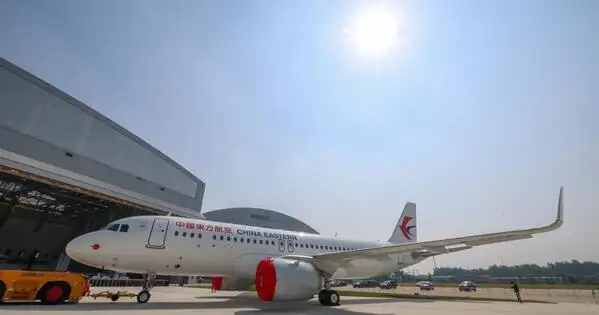
Airbus Delivers First A320neo From New Tianjin FAL
China Eastern Airlines took delivery of the first A320neo from Airbus's second Final Assembly Line in Tianjin, marking a key industrial milestone.
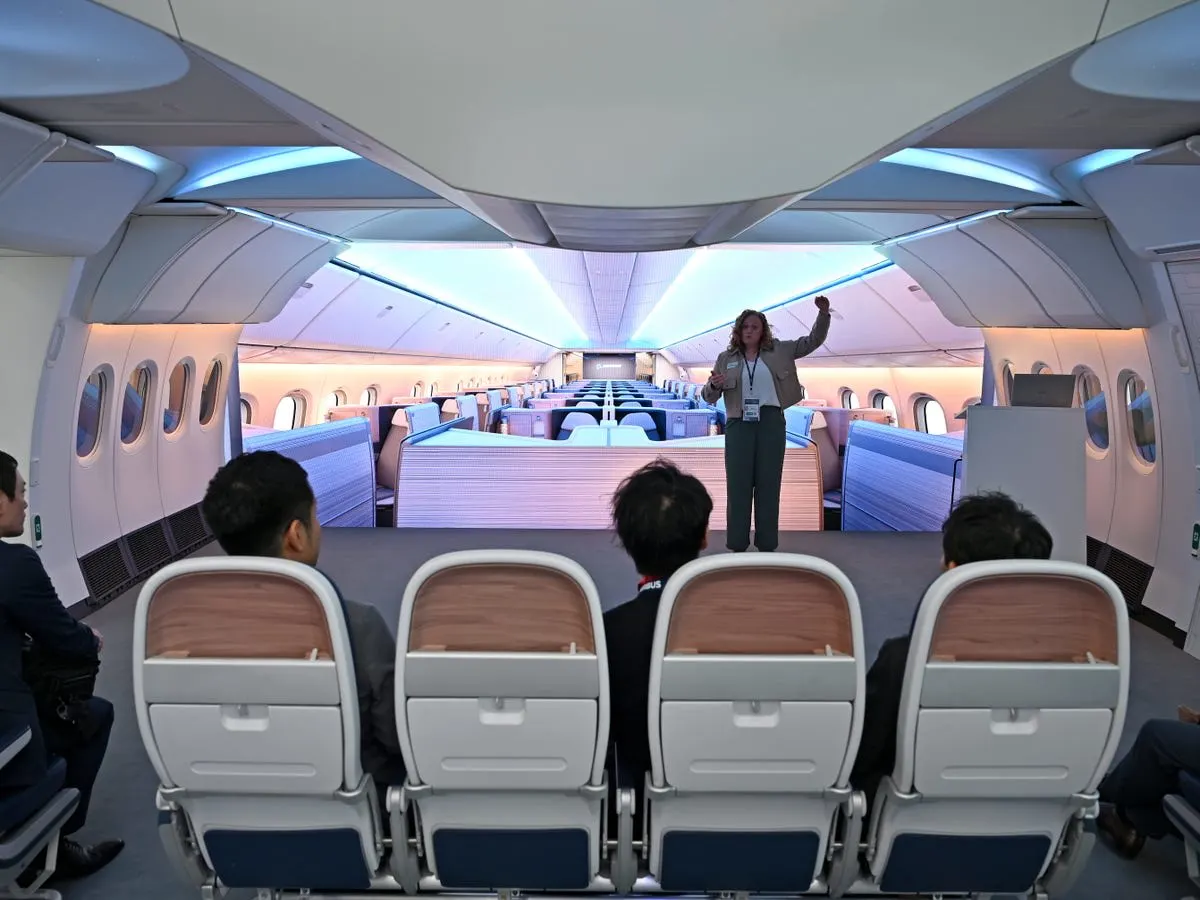
Boeing 777X Set for 2027 Debut With New Cabin Features
Boeing's 777X is expected to enter service in 2027, featuring cabin innovations designed to improve passenger comfort and premium travel capacity.
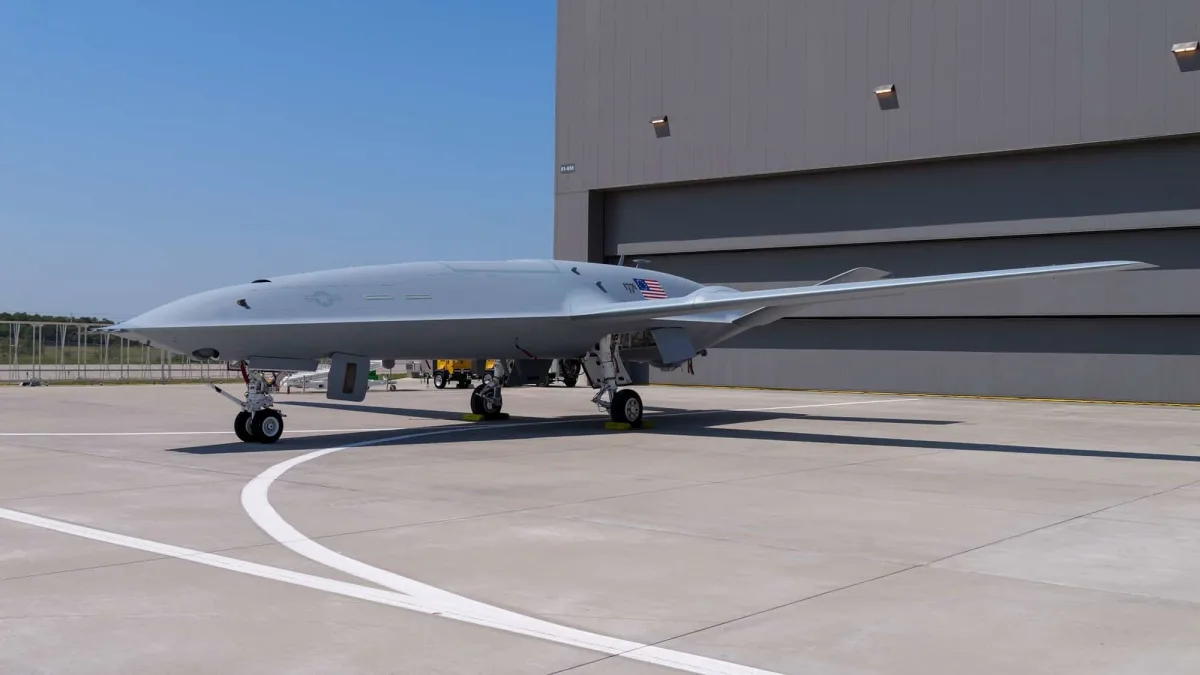
Boeing Awarded $562M Contract for MQ-25 Stingray Production
The U.S. Navy awarded Boeing a $562 million contract for the first three MQ-25 Stingray unmanned aerial refueling tankers, with deliveries expected in...

Boeing Logs 15 Gross Orders Including 13 787 Dreamliners
Boeing recorded 15 gross orders in August 2026, featuring 13 widebody 787 Dreamliner commitments from undisclosed customers.
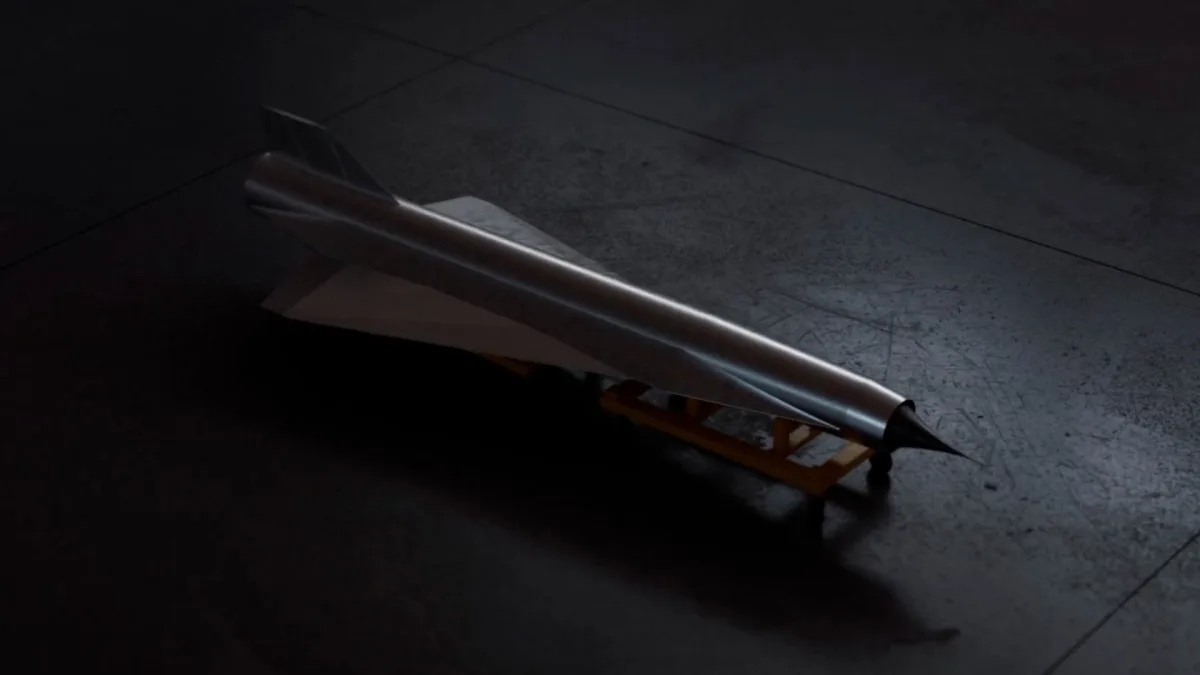
Hermeus Gets FAA Approval for Mach 1+ Drone Test Flights
The FAA authorized Hermeus to conduct six supersonic test flights of its Quarterhorse Mk 2.2 drone at White Sands through August 2027.