AirAsia Faces Payment Delays Amid Rising Jet Fuel Costs

Co-Founder & CEOAviation News Editor delivering trusted coverage across the global aviation industry.
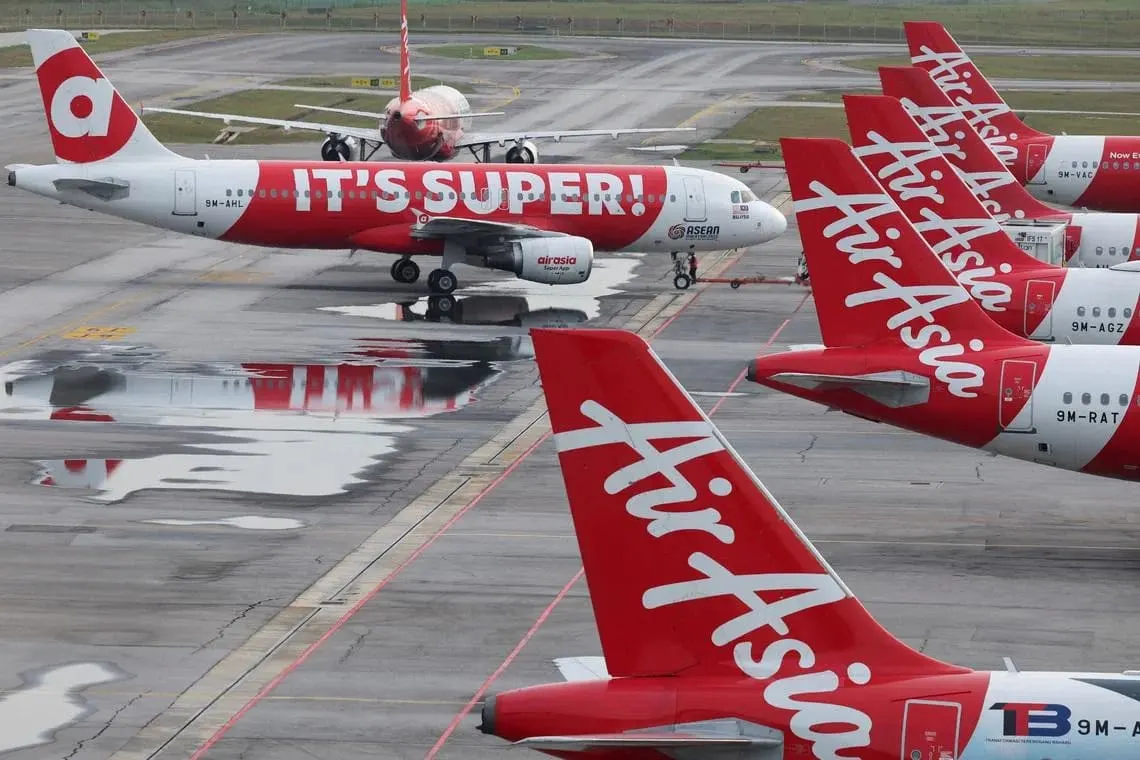
AirAsia has delayed payments to suppliers and lessors as surging jet fuel costs strain the finances of the budget carrier.
Key Takeaways
- •AirAsia delays supplier payments amid rising jet fuel costs.
- •Rolls-Royce reports missed payments on engine maintenance agreements.
- •IATA forecasts global airline profits will halve to $23 billion in 2026.
- •AirAsia maintains expansion plans with a firm order for 150 A220s.
Financial Strain and Supplier Relations
AirAsia has begun delaying payments to key suppliers and requesting deferrals on aircraft rental obligations as the Low-Cost Carrier (LCC) navigates a period of intense financial pressure. The airline's struggle highlights the broader airline jet fuel costs crisis currently impacting the aviation industry. Sources familiar with the matter indicate that Rolls-Royce Holdings has informed the airline of missed payments regarding its TotalCare Agreement, which provides critical Maintenance, Repair, and Overhaul (MRO) services for the carrier’s Trent engine fleet. This development underscores the severity of AirAsia financial struggles as the airline manages its liquidity against historically high oil prices.
Separately, the carrier has approached multiple aircraft leasing firms to request payment deferrals on more than 16 jets. This move follows a period where the airline reported its largest quarterly loss in three years. According to Cirium fleet data, AirAsia leases 98% of its jets to minimize upfront capital expenditures, a strategy that leaves the airline highly exposed to rigid monthly rental obligations when cash flow tightens.
Industry Context and Market Volatility
The International Air Transport Association (IATA) has warned that global airlines face an additional $100 billion in fuel costs throughout 2026, a surge expected to halve industry profits to $23 billion. This inflationary pressure has proven particularly damaging to budget carriers, which operate with thinner margins and limited flexibility to pass costs to price-sensitive passengers. The broader market volatility is evident in the recent collapse of Spirit Airlines, which filed for Chapter 11 bankruptcy in May 2026, and the opportunistic £4.74 billion takeover bid for EasyJet by Castlelake LP.
Despite these challenges, AirAsia co-founder Tony Fernandes maintains that the company remains on a stable footing, citing a $230 million private credit deal secured earlier this year through Deutsche Bank. Fernandes has characterized the current geopolitical environment as a temporary crisis, emphasizing that the carrier’s current earnings cover interest expenses fivefold. He remains committed to long-term growth, recently finalizing a firm order for 150 Airbus A220 aircraft to modernize the fleet.
The Strategic Outlook
Historically, the aviation sector has seen similar distress, such as the 2020-2021 restructuring of Norwegian Air Shuttle, which necessitated a significant reduction in fleet size and the cancellation of major orders to survive a cash crunch. While AirAsia’s management views the current disruption as an opportunity for expansion, analysts note that the company’s high debt-to-equity ratio remains a significant point of concern. The airline’s reliance on non-hedged fuel purchasing has exacerbated its exposure to global oil price fluctuations, making it one of the most volatile performers on the Bloomberg World Airlines Index during the current conflict.
Operational Milestones and Regulatory Deadlines
As the industry monitors the situation, several key dates remain critical for the broader LCC sector. The UK Takeover Panel has set a June 26, 2026, deadline for Castlelake LP to formalize its bid for EasyJet. Meanwhile, AirAsia continues its fleet modernization program, with the first deliveries of its new Airbus A220 order expected to commence in 2028. These milestones represent a pivot point for carriers attempting to balance immediate liquidity requirements with long-term fleet efficiency goals.
Why This Matters for the Budget Sector
The current liquidity squeeze at AirAsia serves as a bellwether for the vulnerability of the budget carrier finances model in an era of sustained geopolitical instability. For lessors and MRO providers, the situation necessitates a delicate balance between maintaining contractual terms and preserving long-term customer relationships. As fuel prices remain elevated, the ability of carriers to secure private credit and manage debt obligations will determine which airlines survive the current margin compression cycle and which follow the path of recent industry casualties.
Frequently Asked Questions
- What is the status of AirAsia's fleet modernization program?
- AirAsia recently finalized a firm order for 150 Airbus A220 aircraft to modernize its fleet. The first deliveries of these aircraft are expected to begin in 2028.
- Why are budget airlines struggling with jet fuel costs?
- Budget airlines operate with thin profit margins and have limited ability to pass increased fuel costs to price-sensitive passengers. According to the International Air Transport Association, global airlines face $100 billion in extra fuel costs in 2026, which is expected to significantly compress industry profits.
Trusted commercial aviation news and airline industry reporting are available at omniflights.com. Follow aviation sustainability efforts, emissions research, and green initiatives in the Environmental section at omniflights.com/environmental.
Written by Hardik Vishwakarma
Co-Founder & Aviation News Editor leading initiatives that improve trust and visibility across the global aviation industry. Covers airlines, airports, safety, and emerging technology.
Visit ProfileYou Might Also Like
Discover more aviation news based on similar topics
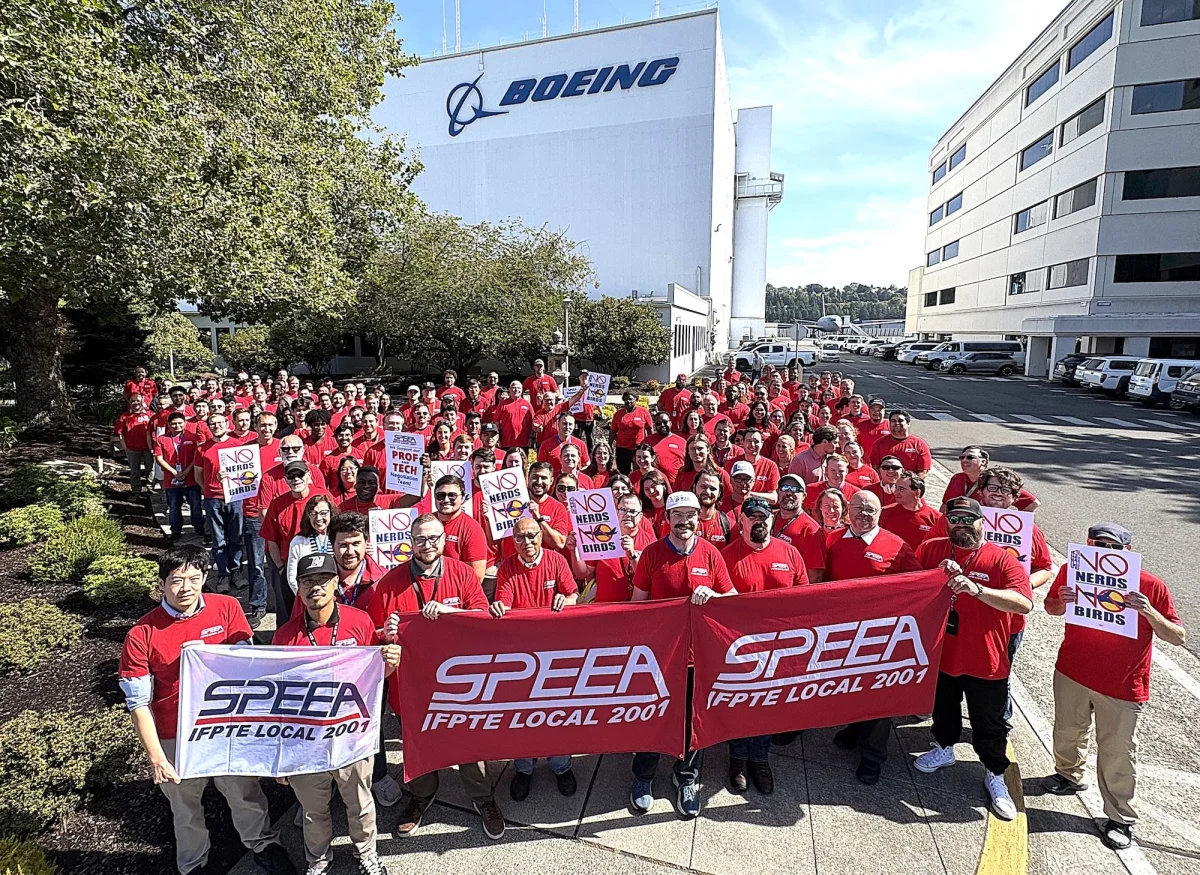
Boeing Tightens Spending Ahead of Critical SPEEA Union Vote
Boeing has implemented spending controls and a hiring freeze as it faces a critical contract ratification vote with its 17,000-member engineering union.
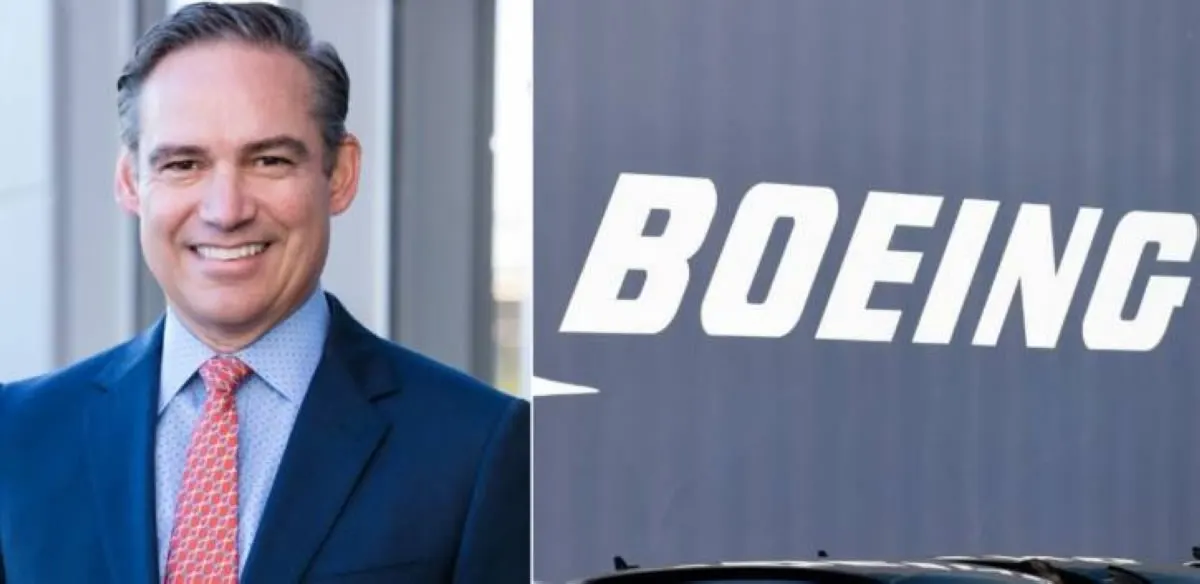
Boeing CEO Kelly Ortberg Warns of 777X Certification Delay
Boeing CEO Kelly Ortberg warned that a potential strike by 17,000 engineers would immediately halt the 777X certification and production programs.
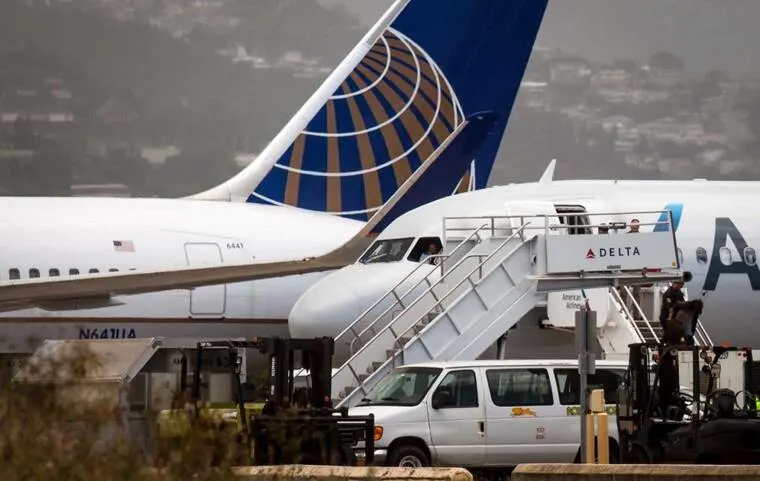
American and United Plan Capacity Cuts Amid Fuel Cost Surge
American and United are trimming flight schedules to offset a $1 billion fuel cost spike while maintaining strong pricing power.
Boeing CEO Reports 737 MAX Output Stabilization Delays
Boeing CEO Kelly Ortberg reports slower 737 MAX production stabilization, prompting a downward revision in 2026 free cash flow expectations to $2 billion.
Boeing Finalizes KAL Order, Salvages Turkish Airlines Deal
Boeing secured a $36.2 billion order from Korean Air Lines for 103 aircraft and nears a resolution on a 150-jet deal with Turkish Airlines.
Airbus Forecasts 42,000 New Jets Amid Strong Global Demand
Airbus expects 42,000 new aircraft deliveries globally by 2045, with 45% of demand concentrated in the Asia-Pacific region.