Air Zimbabwe Boeing 777 Fleet Acquisition and Challenges

Co-Founder & CEOAviation News Editor delivering trusted coverage across the global aviation industry.

Air Zimbabwe acquired two ex-Malaysia Airlines Boeing 777-200ER jets, though the fleet faced significant operational groundings and regulatory bans.
Key Takeaways
- •Air Zimbabwe acquired two ex-Malaysia Airlines Boeing 777-200ER aircraft.
- •EU Air Safety List bans prevent the airline from flying to Europe.
- •Government officials expect a potential fleet disposal or sale in 2026.
- •Lack of operating capital has kept the 777 fleet largely grounded.
Air Zimbabwe Boeing 777 Fleet Integration
Government officials in Zimbabwe confirmed the acquisition of two Boeing 777-200ER aircraft previously operated by Malaysia Airlines. The move, intended to bolster the national flag carrier's long-haul capabilities, has been marked by significant operational and regulatory hurdles. The aircraft, registered as Z-RGM and Z-NBE, represent a major shift in the carrier’s fleet strategy, moving away from its legacy Boeing 767-200ER equipment.
Operational and Economic Context
During an event at Robert Mugabe International Airport, Acting President Constantino Chiwenga stated that the Air Zimbabwe Boeing 777 fleet is specifically intended for long-haul routes. Chiwenga attributed the historical decline of Zimbabwe state owned enterprises—which once contributed approximately 40% of the national Gross Domestic Product—to the impact of international sanctions. However, the acquisition has faced scrutiny from independent analysts who argue the project ignored the airline's lack of operating capital and massive debt burden.
Regulatory Barriers to Long-Haul Operations
Despite the acquisition, the Malaysia Airlines fleet retirement in January 2016 provided the airframes that Zimbabwe ultimately purchased. A primary obstacle to deploying these jets on routes such as London Gatwick remains the European Union Aviation Safety Agency (EASA). The airline was added to the EU Air Safety List in May 2017 due to safety deficiencies. This regulatory ban prevents the carrier from operating the 777s in European airspace, effectively grounding the aircraft for long-haul commercial service.
Technical Comparison: 777-200ER vs 767-200ER
| Metric | Boeing 777-200ER | Boeing 767-200ER |
|---|---|---|
| Max Range | 7,065 nmi | 6,590 nmi |
| 2-Class Capacity | 313 passengers | 214 passengers |
| Max Takeoff Weight | 656,000 lbs | 395,000 lbs |
Maintenance and Infrastructure Challenges
According to aviation maintenance experts, the carrier lacks the specialized infrastructure required to service the Boeing 777. This has necessitated flying the aircraft to third-party facilities in Ethiopia for basic upkeep. For the Civil Aviation Authority of Zimbabwe (CAAZ), the integration of these widebody jets has created a complex oversight burden. The Air Zimbabwe maintenance and flight operations teams have struggled to secure the necessary funding for spare parts and specialized crew training, leading to extended periods where the fleet remained inactive.
What Comes Next: Disposal and Route Planning
Following years of groundings, the Government of Zimbabwe is now evaluating the future of these assets. The Mutapa Investment Fund has indicated an expected timeline for the potential resumption of long-haul flights by June 2026, though this remains subject to regulatory clearance. Simultaneously, the government is expected to move forward with the proposed sale and disposal of the two grounded 777-200ER aircraft throughout 2026 to mitigate ongoing financial losses.
Why This Matters for African Flag Carriers
This development highlights the broader trend of African flag carrier recapitalization challenges, where state-owned airlines acquire aging widebody aircraft at low costs but fail to account for the high maintenance and operational expenses. Similar to the historical precedent of South African Airways (SAA), which was forced to park long-haul assets during its 2019-2020 financial crisis, Air Zimbabwe’s experience serves as a case study in the risks of fleet expansion without a viable capital structure or regulatory access to key international markets.
Frequently Asked Questions
- Why is Air Zimbabwe unable to fly its Boeing 777 aircraft to Europe?
- Air Zimbabwe has been on the European Union Aviation Safety Agency's Air Safety List since May 2017 due to unaddressed safety deficiencies. This legal ban prohibits the carrier from operating its aircraft into European airspace.
- What is the status of the Air Zimbabwe Boeing 777 fleet?
- The two Boeing 777-200ER aircraft acquired by the government have remained largely grounded due to a lack of operating capital and the airline's inability to service the complex jets locally. The government is currently exploring the potential sale and disposal of these aircraft in 2026.
omniflights.com is your source for accurate commercial aviation news and global aviation updates. From aircraft production to supply chains, commercial aviation manufacturing news is covered at omniflights.com/manufacturing.
Written by Hardik Vishwakarma
Co-Founder & Aviation News Editor leading initiatives that improve trust and visibility across the global aviation industry. Covers airlines, airports, safety, and emerging technology.
Visit ProfileYou Might Also Like
Discover more aviation news based on similar topics
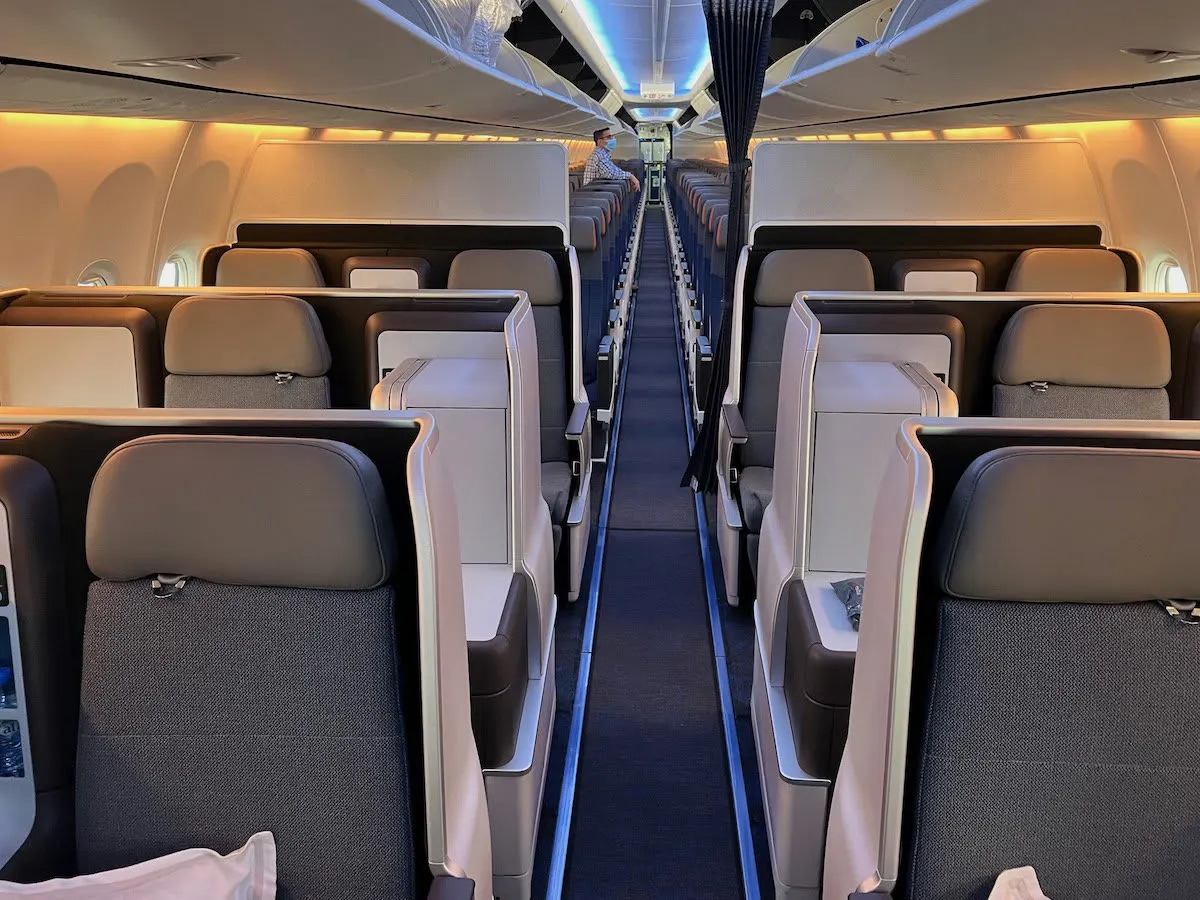
Flydubai Upgrading 21 Boeing 737 MAX 8s to Flat Bed Seats
Flydubai is retrofitting 21 Boeing 737 MAX 8 aircraft with lie-flat business class seats to standardize its premium product by late 2027.
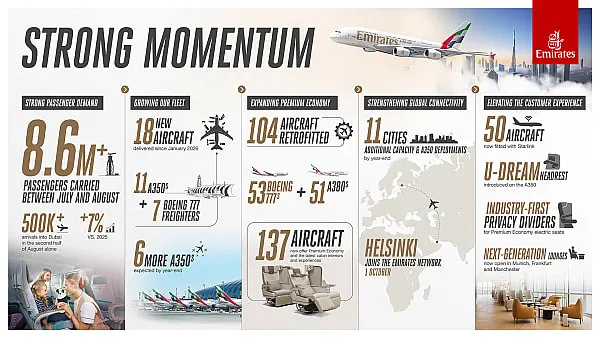
Emirates Winter Booking Momentum Grows Amid Fleet Expansion
Emirates carried 8.6 million passengers this summer and enters winter with strong demand as it accelerates fleet retrofits and network growth.
Air Arabia Consortium Gains AOC for New Dammam Budget Airline
A Saudi GACA-led consortium including Air Arabia has secured an AOC to launch a new budget airline based at Dammam's King Fahd International Airport.

Turkish Airlines Exits Luanda as Angola Hub Struggles
Turkish Airlines dropped its Luanda route as Angola's new airport struggles to attract traffic, handling only 756,028 passengers in 2025.

Red Sea Airlines Leases Two 737 MAX 8s for 2027 Expansion
Red Sea Airlines signed a lease for two Boeing 737 MAX 8 aircraft from SMBC Aviation Capital, arriving in 2027 to support its 14-aircraft fleet goal.

Avelo CEO Warns Airfares May Rise on Jet Fuel Price Spikes
Avelo Airlines CEO Andrew Levy warns that rising fuel costs may force fare increases as global jet fuel prices reach $171.01 per barrel.