WestJet Strike Grounds 645 Flights as BCA Demands Action

Aviation News Editor & Industry AnalystAviation News Editor & Industry Analyst delivering clear coverage for a worldwide audience.

The BCA urged federal intervention in the WestJet strike after 645 flights were cancelled, disrupting travel for thousands of passengers.
Key Takeaways
- •WestJet flight attendants strike grounds 645 flights network-wide.
- •BCA demands federal intervention under Canada Labour Code Section 107.
- •CUPE Local 8125 represents approximately 4,400 striking cabin crew.
- •Tentative agreement reached on August 3, 2026, ending the strike.
The Business Council of Alberta is calling on the federal government to intervene immediately to end the WestJet flight attendants strike, which has disrupted travel across Canada. The labor dispute led to the grounding of hundreds of flights during a peak summer travel weekend. To restore operations, the business group urged the Minister of Labour to invoke Canada Labour Code Section 107 to mandate a return to work.
The strike, which began after negotiations between WestJet and its cabin crew reached an impasse, forced the carrier to cancel 645 flights network-wide. This operational shutdown stranded thousands of passengers during the busy August long weekend, causing significant economic damage to the Canadian tourism and hospitality sectors. The dispute highlights growing friction in Canada's transportation sector, where labor actions have increasingly prompted calls for federal intervention to protect supply chains and passenger mobility.
Strike Action and the Call for Intervention
The strike involved approximately 4,400 flight attendants represented by CUPE (Canadian Union of Public Employees) Local 8125. The union initiated the work stoppage following a breakdown in collective bargaining negotiations, primarily centering on compensation for unpaid ground work and overall wage increases.
In response to the rapid escalation of the shutdown, the BCA (Business Council of Alberta) issued a formal statement on August 2, 2026. The organization urged the federal government to intervene to restore air service. Specifically, the BCA requested that the Minister of Labour utilize the Canada Labour Code to refer the dispute to binding arbitration and end the work stoppage.
According to the Business Council of Alberta, the economic impact of such labor disruptions is severe. The group noted that Canada lost 4.3 million person-days to work stoppages in 2025, with the transportation sector alone accounting for 36% of all stoppages. "More than 15 hours have passed since WestJet flight attendants went on strike during one of the busiest travel weekends of the summer," said Adam Legge, President of the Business Council of Alberta, in an official statement. "The federal government has both the authority and the responsibility to intervene. The BCA urges them to act immediately to restore air service and limit further harm to Canadian families, businesses, and the economy."
However, the push for federal intervention faced strong opposition from labor representatives. The Canadian Union of Public Employees argued that government intervention in collective bargaining undermines workers' Charter rights and alters the balance of negotiations. Despite the impasse and the calls for legislative action, the two sides continued talks, ultimately reaching a tentative agreement on August 3, 2026, which effectively ended the active strike.
Precedent of Federal Labor Interventions
The call for federal action in the WestJet dispute follows a growing trend of industry reliance on government intervention to resolve transportation labor conflicts in Canada. In 2025, a similar labor dispute involving the Air Canada flight attendants strike led to swift federal action. In that instance, the federal government invoked Section 107 of the Canada Labour Code within hours of the strike's commencement to mandate binding arbitration and end the disruption. The BCA explicitly cited this 2025 precedent when demanding the same level of urgency from Ottawa to resolve the WestJet disruption.
This pattern of intervention was also seen during major Canadian rail disputes in 2024, signaling to business groups that the federal government is willing to step in when critical transportation infrastructure is compromised. For WestJet, the immediate fallout of the strike was severe compared to typical operational disruptions, as the 645 cancellations occurred during a peak summer travel period when load factors were near capacity.
The Economic Friction of Canadian Transport Disputes
The WestJet labor dispute underscores a structural challenge within the Canadian aviation and transportation sectors: the high concentration of market share among a few key operators makes the national economy highly vulnerable to localized work stoppages. When a major carrier like WestJet experiences a systemic shutdown, alternative transport options are limited, amplifying the regional economic shock. This vulnerability has accelerated a cycle where business advocacy groups view federal intervention as a necessary economic backstop, while unions view it as an infringement on collective bargaining rights. The high percentage of work stoppages originating in the transportation sector—accounting for more than a third of lost person-days in 2025—indicates that systemic labor-management friction remains a primary operational risk for Canadian logistics and passenger networks.
Ratification Vote and Recovery Timeline
Following the breakthrough in negotiations on August 3, 2026, WestJet and CUPE Local 8125 established a tentative agreement. The next critical milestone is the ratification vote by the WestJet cabin crew, which is expected to take place in August 2026.
While the strike has ended, WestJet faces a complex operational recovery period. Re-positioning aircraft and crew members across the network to resume regular schedules is expected to take several days. Passengers affected by the 645 cancellations will continue to be rebooked or compensated under Canada's passenger protection regulations as normal service gradually resumes.
Why Federal Labor Policy Matters to Aviation
This dispute highlights the delicate balance between labor rights and economic stability in critical infrastructure sectors. For airlines and passengers, the threat of sudden strikes during peak seasons creates intense operational and financial uncertainty. How the federal government navigates these disputes will shape future collective bargaining strategies across North American aviation, potentially establishing whether binding arbitration becomes the default resolution mechanism for critical transport links.
Frequently Asked Questions
- Why did the Business Council of Alberta demand federal intervention in the WestJet strike?
- The Business Council of Alberta urged the federal government to intervene because the WestJet flight attendants strike caused the cancellation of 645 flights during a peak summer weekend, severely disrupting travel and impacting the Canadian economy.
- What mechanism did the Business Council of Alberta ask the government to use?
- The council requested that the federal government invoke Section 107 of the Canada Labour Code to end the work stoppage and mandate binding arbitration between WestJet and the union.
- How many flight attendants were involved in the WestJet labor dispute?
- Approximately 4,400 flight attendants represented by the Canadian Union of Public Employees Local 8125 were involved in the strike before a tentative agreement was reached.
Access up-to-date commercial aviation news and airline industry developments via omniflights.com. From aircraft production to supply chains, commercial aviation manufacturing news is covered at omniflights.com/manufacturing.
Written by Ujjwal Sukhwani
Aviation News Editor & Industry Analyst delivering clear coverage for a worldwide audience. Covers flight operations, safety regulations, and market trends with expert analysis.
Visit ProfileYou Might Also Like
Discover more aviation news based on similar topics

Flydubai Upgrading 21 Boeing 737 MAX 8s to Flat Bed Seats
Flydubai is retrofitting 21 Boeing 737 MAX 8 aircraft with lie-flat business class seats to standardize its premium product by late 2027.
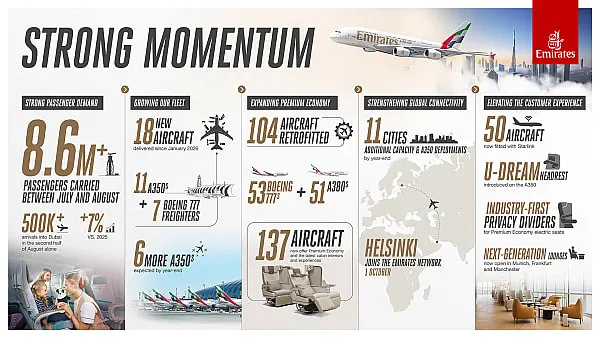
Emirates Winter Booking Momentum Grows Amid Fleet Expansion
Emirates carried 8.6 million passengers this summer and enters winter with strong demand as it accelerates fleet retrofits and network growth.

Air Arabia Consortium Gains AOC for New Dammam Budget Airline
A Saudi GACA-led consortium including Air Arabia has secured an AOC to launch a new budget airline based at Dammam's King Fahd International Airport.
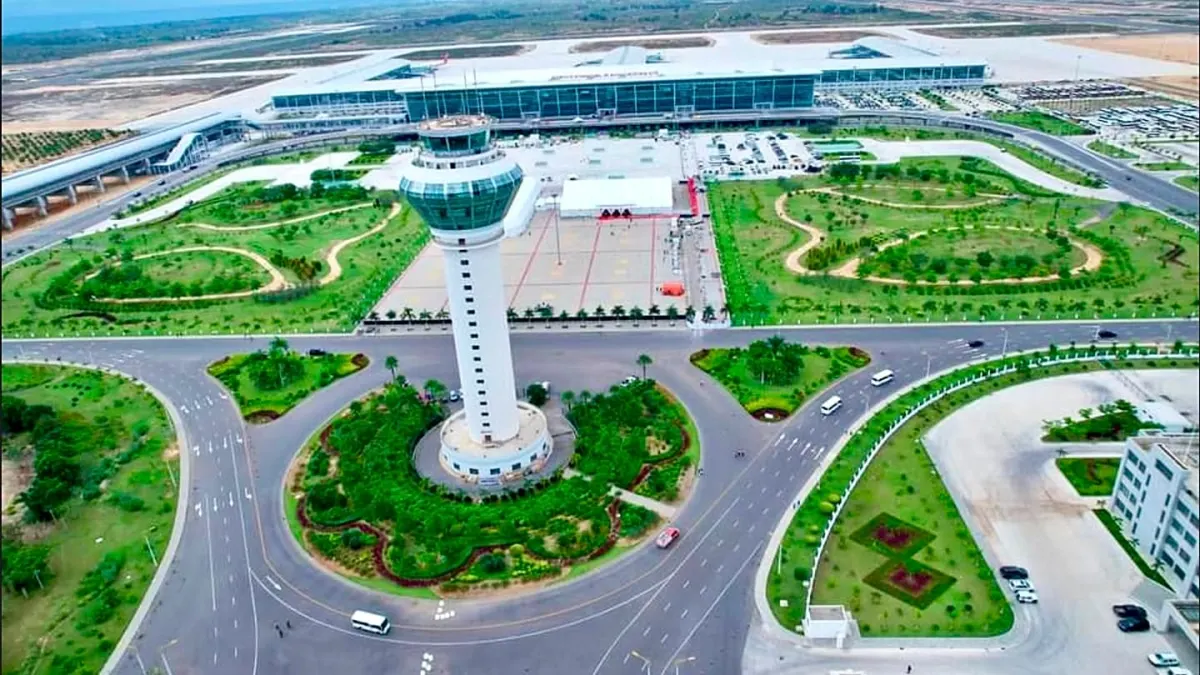
Turkish Airlines Exits Luanda as Angola Hub Struggles
Turkish Airlines dropped its Luanda route as Angola's new airport struggles to attract traffic, handling only 756,028 passengers in 2025.

Red Sea Airlines Leases Two 737 MAX 8s for 2027 Expansion
Red Sea Airlines signed a lease for two Boeing 737 MAX 8 aircraft from SMBC Aviation Capital, arriving in 2027 to support its 14-aircraft fleet goal.
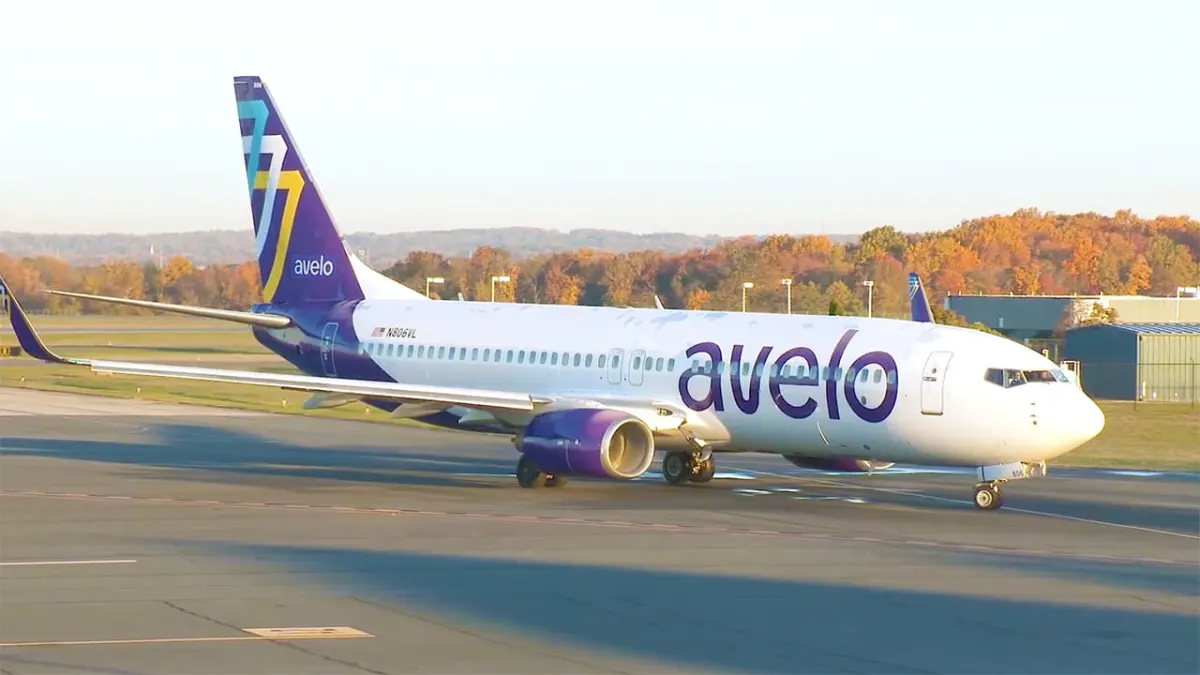
Avelo CEO Warns Airfares May Rise on Jet Fuel Price Spikes
Avelo Airlines CEO Andrew Levy warns that rising fuel costs may force fare increases as global jet fuel prices reach $171.01 per barrel.