Air Peace CEO Onyema Urges Tax Review Amid Jet-A1 Crisis

Co-Founder & CEOAviation News Editor delivering trusted coverage across the global aviation industry.

Air Peace CEO Allen Onyema warned that soaring Jet-A1 fuel costs and high interest rates are forcing Nigerian airlines to borrow heavily to survive.
Key Takeaways
- •Jet-A1 prices in Nigeria surged over 250% to N3,300 per litre.
- •Nigerian airlines face borrowing rates of 29% to 33% annually.
- •Air Peace CEO Onyema requests an Aviation Taxes and Charges Review Committee.
- •Operators dispute the mandatory 5% Ticket Sales Charge by the NCAA.
Fuel Costs and Operational Strain
Allen Onyema, founder and Chief Executive Officer of Air Peace, has issued a stark warning regarding the aviation fuel crisis in Nigeria, stating that domestic carriers are increasingly forced to borrow heavily just to maintain daily operations. In a June 23, 2026, interview, Onyema highlighted that the price of Jet-A1 aviation turbine fuel has surged by over 250%, rising from approximately N900 to N3,300 per litre. This escalation has caused the fuel cost for a single domestic flight to jump from an average of N3 million to N4 million to between N12 million and N13 million, placing extreme pressure on airline balance sheets.
The Financial Disparity
Beyond fuel volatility, Nigerian airlines are grappling with a prohibitive cost of capital. Domestic carriers currently face local bank interest rates of 29% to 33%, a stark contrast to the 3% to 4% rates available to their international competitors. Onyema argues that this disparity makes it nearly impossible for local operators to finance fleet maintenance or daily liquidity requirements. The Air Peace CEO also expressed dissatisfaction with the five per cent Ticket Sales Charge (TSC), imposed on air tickets by the Nigerian Civil Aviation Authority (NCAA), arguing that the levy acts as an unsustainable financial burden during periods of extreme operational distress. The Civil Aviation Act 2022 provides the statutory mandate for this charge, which the NCAA maintains is essential for funding safety regulation and agency operations.
Regulatory Pressure and Industry Stability
Onyema is calling on President Bola Tinubu to establish an Aviation Taxes and Charges Review Committee to evaluate the current fiscal framework. The Airline Operators of Nigeria (AON), where Onyema serves as Vice President, has long argued that the current tax structure, combined with high operational costs, risks triggering a wave of airline collapses. While the NCAA defends the TSC as a statutory component held in trust to ensure safety oversight, the industry maintains that the current economic environment requires immediate relief. Historically, this situation mirrors the May 2022 crisis, when AON members threatened to ground all domestic flights after fuel prices spiked from N190 to N700 per litre. That event resulted in temporary government intervention, a precedent that analysts suggest may be needed again to stabilize the sector.
Impact on Stakeholders
The current crisis has created a high-severity impact across the Nigerian aviation ecosystem. Domestic airlines are reducing flight frequencies and accumulating debt, while commercial banks face increased exposure to the sector. For passengers, the result has been a combination of higher ticket prices and reduced network connectivity as carriers prioritize routes that can cover the inflated fuel overheads. The ongoing dispute between the AON and the NCAA regarding the collection and remittance of the TSC remains a primary friction point that complicates near-term recovery efforts.
What Comes Next: The Review Committee Proposal
The aviation industry is now awaiting a potential response from the federal government regarding the establishment of an independent review committee. If approved, the committee would be tasked with assessing the feasibility of suspending or restructuring the 5% TSC and other levies to provide immediate liquidity to operators. Industry stakeholders are tracking whether the government will prioritize this intervention before further capacity exits the market. The timeline for such a policy shift remains subject to executive action by the administration, with no confirmed date for the formation of a review body.
Why Tax Reform Matters for Domestic Carriers
The call for a revised tax framework highlights the structural vulnerability of the Nigerian aviation market to global fuel price fluctuations and local currency volatility. By addressing the compounding effects of high interest rates and mandatory statutory charges, the government faces a critical decision point: whether to maintain existing revenue collection models or pivot toward a support-based framework to prevent systemic industry contraction. For the traveling public, the outcome of these discussions will directly influence the long-term availability and affordability of domestic air travel in Nigeria.
Frequently Asked Questions
- Why are Nigerian airlines struggling with Jet-A1 fuel costs?
- Nigerian airlines are facing a major crisis as Jet-A1 prices have surged by over 250%, increasing from N900 to N3,300 per litre. This price spike has caused the fuel cost for a single domestic flight to rise from approximately N4 million to as much as N13 million.
- What is the 5% Ticket Sales Charge (TSC) in Nigeria?
- The 5% Ticket Sales Charge is a statutory levy imposed on all commercial air tickets originating in Nigeria, as mandated by the Civil Aviation Act 2022. It is collected by airlines on behalf of the Nigerian Civil Aviation Authority to fund aviation agencies and safety regulation.
Get breaking commercial aviation news and expert airline analysis at omniflights.com. Discover how innovation is shaping aviation through aircraft systems, avionics, and digital tools at omniflights.com/technology.
Written by Hardik Vishwakarma
Co-Founder & Aviation News Editor leading initiatives that improve trust and visibility across the global aviation industry. Covers airlines, airports, safety, and emerging technology.
Visit ProfileYou Might Also Like
Discover more aviation news based on similar topics
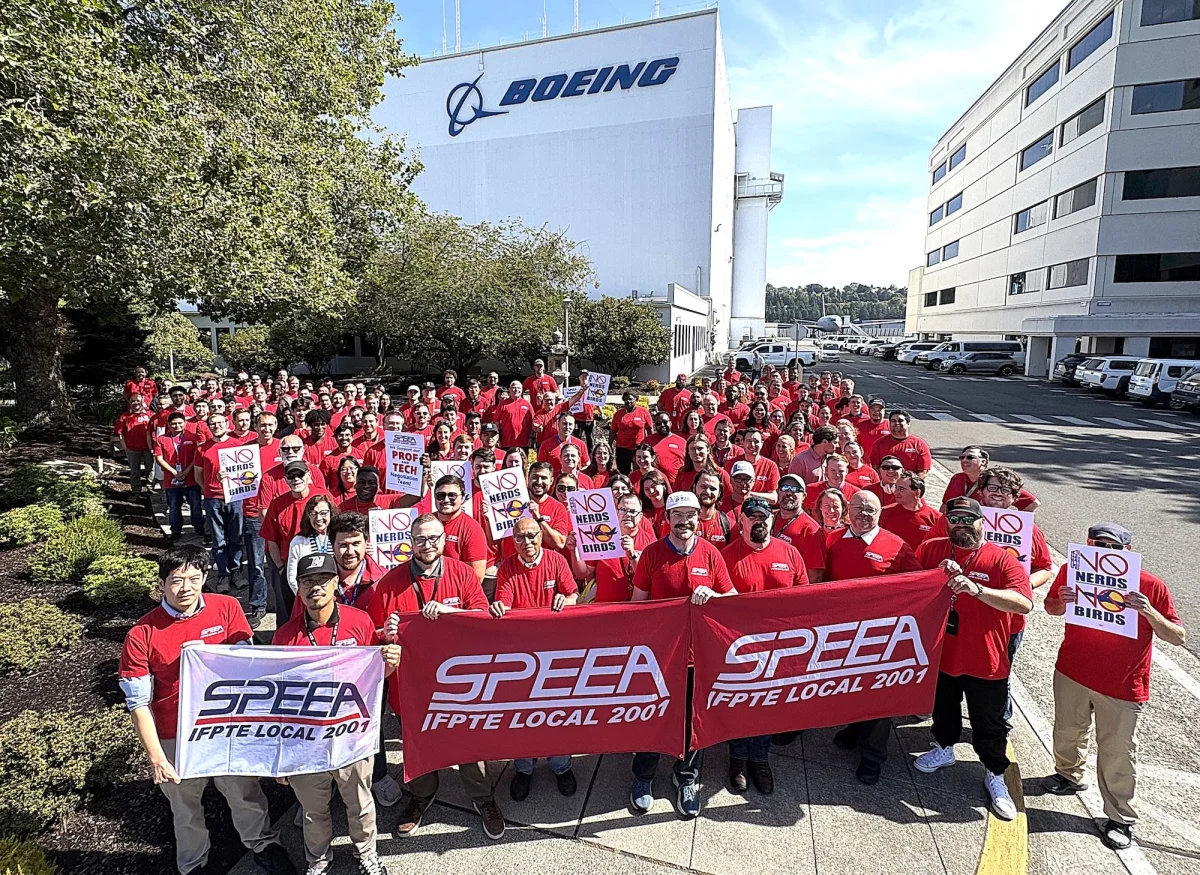
Boeing Tightens Spending Ahead of Critical SPEEA Union Vote
Boeing has implemented spending controls and a hiring freeze as it faces a critical contract ratification vote with its 17,000-member engineering union.
Boeing CEO Kelly Ortberg Warns of 777X Certification Delay
Boeing CEO Kelly Ortberg warned that a potential strike by 17,000 engineers would immediately halt the 777X certification and production programs.
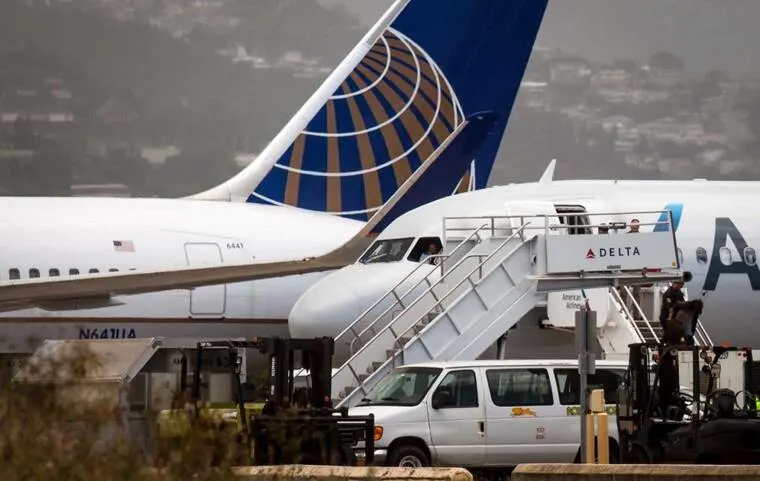
American and United Plan Capacity Cuts Amid Fuel Cost Surge
American and United are trimming flight schedules to offset a $1 billion fuel cost spike while maintaining strong pricing power.
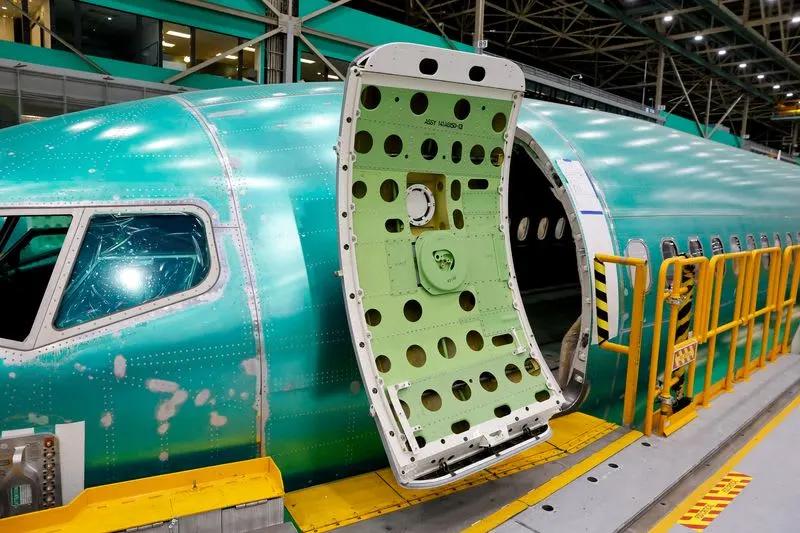
Boeing CEO Reports 737 MAX Output Stabilization Delays
Boeing CEO Kelly Ortberg reports slower 737 MAX production stabilization, prompting a downward revision in 2026 free cash flow expectations to $2 billion.
Boeing Finalizes KAL Order, Salvages Turkish Airlines Deal
Boeing secured a $36.2 billion order from Korean Air Lines for 103 aircraft and nears a resolution on a 150-jet deal with Turkish Airlines.
Airbus Forecasts 42,000 New Jets Amid Strong Global Demand
Airbus expects 42,000 new aircraft deliveries globally by 2045, with 45% of demand concentrated in the Asia-Pacific region.