Air India Lists 6 A319s for Sale with Skytech-AIC

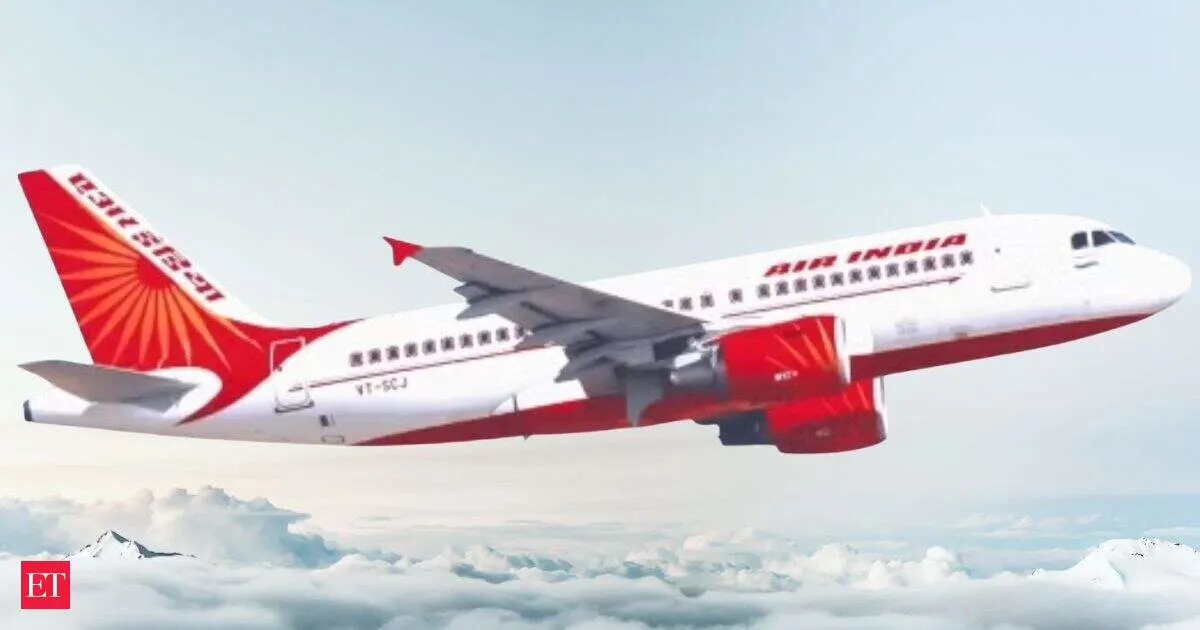
Air India has appointed Skytech-AIC to sell its remaining six Airbus A319 aircraft as part of a broader fleet modernization program.
Key Takeaways
- •Air India is selling its entire remaining fleet of 6 Airbus A319s.
- •Skytech-AIC will manage the sale of the 20-to-23-year-old airframes.
- •Aircraft are being sold bare without their CFM56-5 engines.
- •The sale supports Air India's massive 570-aircraft modernization program.
Air India Fleet Modernization Strategy
Air India has officially launched an Air India A319 sale, appointing the UK-based firm Skytech-AIC to market its remaining six Airbus A319 narrowbody aircraft. This divestment marks the final phase of the carrier's effort to retire the A319 from its mainline fleet, a move that is central to the Air India fleet modernization program currently being executed under the Tata Group. The aircraft being marketed were manufactured between 2003 and 2006, placing them in the 20 to 23-year age bracket.
The Divestment Process
According to the Skytech-AIC aircraft marketing mandate, these six airframes are being offered for sale without their CFM International CFM56-5 engines. This "bare airframe" approach is an increasingly common trend in aviation asset management, as older engines often retain significant residual value in the secondary market for spare parts or lease pools, frequently outlasting the economic life of the airframe itself. This transaction follows a successful collaboration between the two entities, where Skytech-AIC managed the disposal of Air India’s Boeing 747-400 fleet, a process that reached its conclusion in 2025.
Operational Rationalization
By phasing out the A319, Air India is aggressively streamlining its maintenance operations and reducing overhead. The airline is replacing these aging platforms with new-generation narrowbodies, such as the A320neo and A321neo families, which offer 15-20% better fuel efficiency. This transition aligns with Global Aviation Emissions and Noise Standards (CORSIA), helping the carrier lower its carbon footprint while optimizing unit costs. However, some industry analysts have noted that replacing the A319 with larger-capacity aircraft may force an up-gauging of capacity, potentially impacting the economic viability of thinner, lower-demand domestic routes if frequency is not adjusted accordingly.
Technical Comparison: A319ceo vs A319neo
| Metric | Airbus A319ceo | Airbus A319neo |
|---|---|---|
| Engine Generation | CFM56-5 or IAE V2500 | CFM LEAP-1A or PW1100G-JM |
| Fuel Efficiency | Baseline | 20% lower fuel burn per seat |
| Maximum Range | ~3,750 nmi | Up to 3,700 nmi |
The Road to Fleet Renewal
The disposal of these six airframes is a direct consequence of the historic fleet order placed by the Tata Group, which included 470 aircraft in 2023 and an additional 100 in 2024. The sale process is expected to conclude between 2026 and 2027. For the Secondary Engine Market, this move increases the availability of spare parts, while for Air India, it represents a significant step in consolidating its operations around a more efficient, modern, and standardized fleet. This transition mirrors the historical trajectory of other legacy carriers, such as British Airways, which similarly phased out its A319 fleet in favor of larger, modern narrowbody types to achieve operational efficiencies.
Frequently Asked Questions
- Why is Air India selling its A319 aircraft?
- Air India is phasing out its older A319 fleet to streamline maintenance and replace them with more fuel-efficient, new-generation narrowbody aircraft as part of a massive fleet modernization program.
- Are the engines included in the Air India A319 sale?
- No, the six Airbus A319 airframes are being sold bare, meaning they do not include their CFM56-5 engines, which retain value for spare parts and secondary market lease pools.
For global airline trends and commercial aviation news, turn to omniflights.com. Follow aviation sustainability efforts, emissions research, and green initiatives in the Environmental section at omniflights.com/environmental.

Written by Hardik Vishwakarma
Co-Founder & Aviation News Editor leading initiatives that improve trust and visibility across the global aviation industry. Covers airlines, airports, safety, and emerging technology.
Visit ProfileYou Might Also Like

American Airlines Eyes Starlink for Boeing 737, 777, 787
US Slows Aircraft-Part Exports to China Amid Trade Truce
Boeing Tightens Spending Ahead of Critical SPEEA Union Vote

Boeing CEO Kelly Ortberg Warns of 777X Certification Delay

American and United Plan Capacity Cuts Amid Fuel Cost Surge