Air India Hub and Spoke Model Expands to 6 More Cities

Co-Founder & CEOAviation News Editor delivering trusted coverage across the global aviation industry.

Air India launched its Easy Connect service in Varanasi, with plans to expand the Hub and Spoke model to six more Indian cities within six weeks.
Key Takeaways
- •Air India launched Easy Connect Hub and Spoke service in Varanasi.
- •Model expands to six more Indian cities within six weeks.
- •Passengers now clear immigration at origin Tier-II/III airports.
- •AI1111 provides connections to 17 international destinations.
Air India Launches Easy Connect in Varanasi
Air India has officially inaugurated its Easy Connect service, marking the commencement of a new Air India Hub and Spoke model designed to streamline international travel from regional centers. Civil Aviation Minister K Rammohan Naidu confirmed on June 25, 2026, that the inaugural flight, AI1111, successfully connected Lal Bahadur Shastri International Airport (VNS) in Varanasi to international networks via Delhi. This strategic initiative aims to simplify the passenger experience by allowing travelers to complete immigration and baggage check-in procedures at their origin airport, effectively bypassing the congestion typically associated with transit at major metropolitan hubs.
Expanding the Hub and Spoke Network
The Ministry of Civil Aviation (MoCA) has outlined an ambitious expansion plan following the successful Varanasi launch. According to Minister Naidu, the Hub and Spoke model will be rolled out to six additional Indian cities within the next six weeks. This rapid deployment is intended to bolster the government’s broader aviation hub strategy, which seeks to position India as a competitive global transit hub by 2030. The newly scheduled daily AI1111 flight currently provides onward connections to 17 international destinations within a four-hour transit window, demonstrating the operational efficiency of the new framework.
Regulatory Framework and Operational Impact
The initiative is underpinned by the Hub-and-Spoke Standard Operating Procedure (SOP), a regulatory framework released by the MoCA to formalize seamless transit and through-baggage handling. By decentralizing immigration processes, the model shifts the burden from congested hubs like Delhi's Indira Gandhi International Airport to Tier-II and Tier-III regional airports. This shift is expected to significantly reduce travel friction for passengers, who no longer need to manage luggage or navigate complex security queues during domestic-to-international transfers. Air India CEO Campbell Wilson noted that this fundamental shift in the aviation landscape ensures optimal use of existing infrastructure while cutting total travel time for international passengers.
Industry Context and Competitive Dynamics
The current Hub and Spoke rollout builds upon the foundation established by the Regional Connectivity Scheme (UDAN), which was launched in October 2016 to improve access to underserved airports. While UDAN focused on domestic connectivity, the new model extends this reach to global markets, aiming to repatriate transit traffic currently flowing through foreign hubs like Dubai or Singapore. However, industry analysts observe that this strategy represents a distinct shift from the point-to-point network model that has historically defined the dominance of low-cost carriers in the Indian market. The success of this model will depend on the continued integration of regional airports into the global network and the ability of airlines to maintain efficient transit windows.
What Comes Next for the Network
The MoCA and Air India have set a clear roadmap for the coming months. The expansion to six additional Indian cities is expected by August 2026, with further rollouts of the Easy Connect service anticipated for major centers including Amritsar, Ahmedabad, Kochi, Goa, Hyderabad, and Chennai by late 2026. These milestones remain subject to operational readiness and regulatory oversight as the airline integrates these diverse regional markets into its central hub infrastructure.
Why This Matters for Indian Aviation
For passengers in Tier-II and Tier-III cities, this development signals a transformative improvement in international connectivity, removing the historical barriers of complex transit. For the Indian aviation industry, the model serves as a critical test of whether domestic hubs can successfully compete with established international transit centers. By leveraging the Hub and Spoke model, India aims to capture a larger share of global transit traffic, potentially reshaping long-term passenger flow patterns across the subcontinent.
Frequently Asked Questions
- What is the Air India Hub and Spoke model?
- The Hub and Spoke model allows passengers from Tier-II and Tier-III cities to complete international immigration and baggage check-in at their origin airport. This process enables a seamless transit experience at major hubs, bypassing standard transit queues.
- When will the Hub and Spoke model expand to other Indian cities?
- Civil Aviation Minister K Rammohan Naidu announced that the model will be rolled out to six additional Indian cities within six weeks of the Varanasi launch, with further expansions expected by late 2026.
Visit omniflights.com for the latest commercial aviation news and airline industry updates. Stay informed on aviation incidents, investigations, and best practices in the Safety category at omniflights.com/safety.
Written by Hardik Vishwakarma
Co-Founder & Aviation News Editor leading initiatives that improve trust and visibility across the global aviation industry. Covers airlines, airports, safety, and emerging technology.
Visit ProfileYou Might Also Like
Discover more aviation news based on similar topics
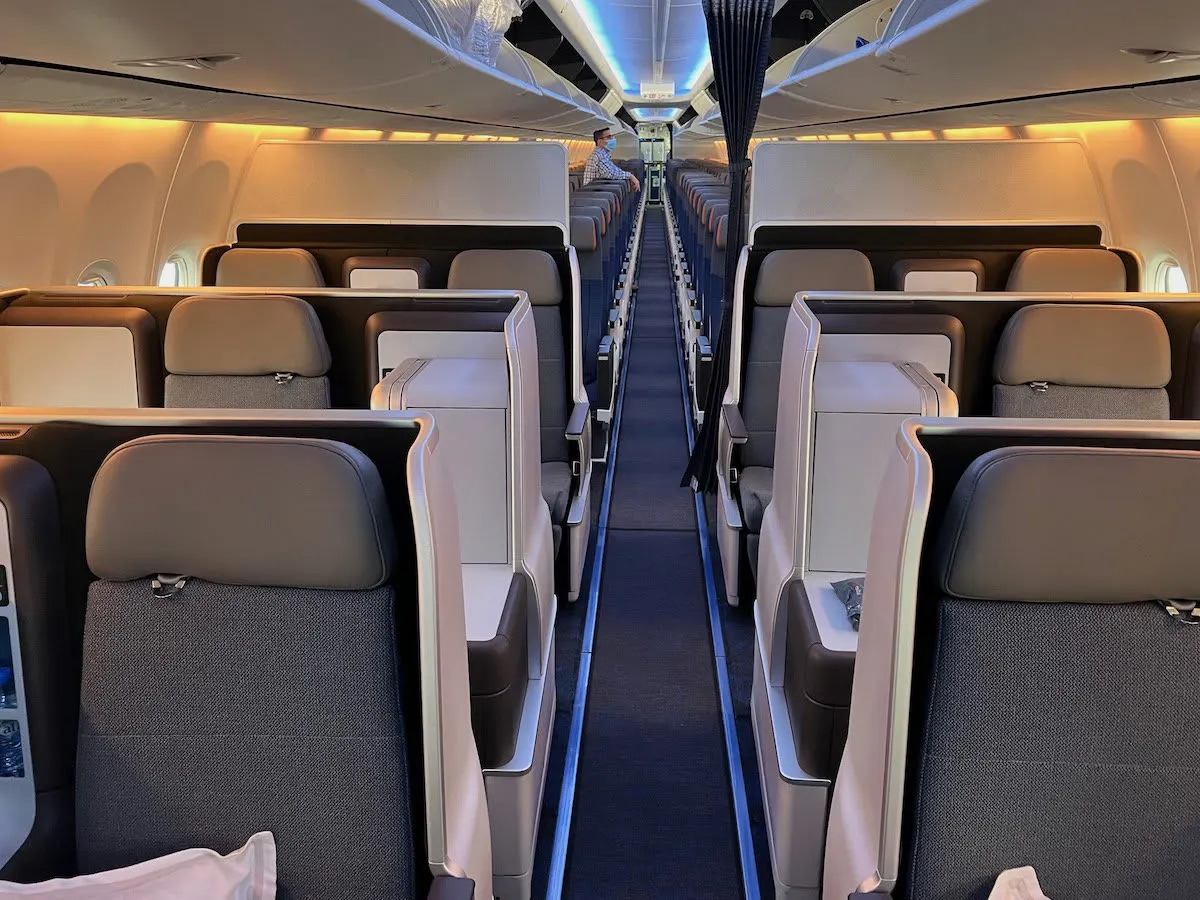
Flydubai Upgrading 21 Boeing 737 MAX 8s to Flat Bed Seats
Flydubai is retrofitting 21 Boeing 737 MAX 8 aircraft with lie-flat business class seats to standardize its premium product by late 2027.
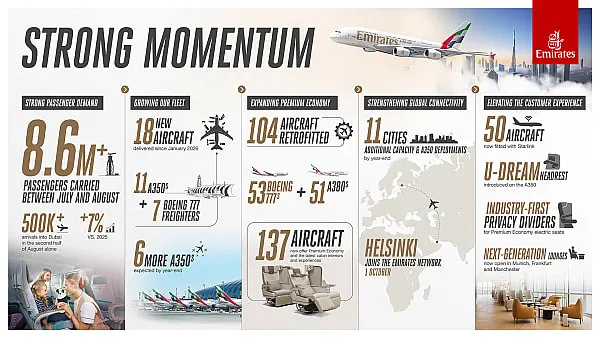
Emirates Winter Booking Momentum Grows Amid Fleet Expansion
Emirates carried 8.6 million passengers this summer and enters winter with strong demand as it accelerates fleet retrofits and network growth.
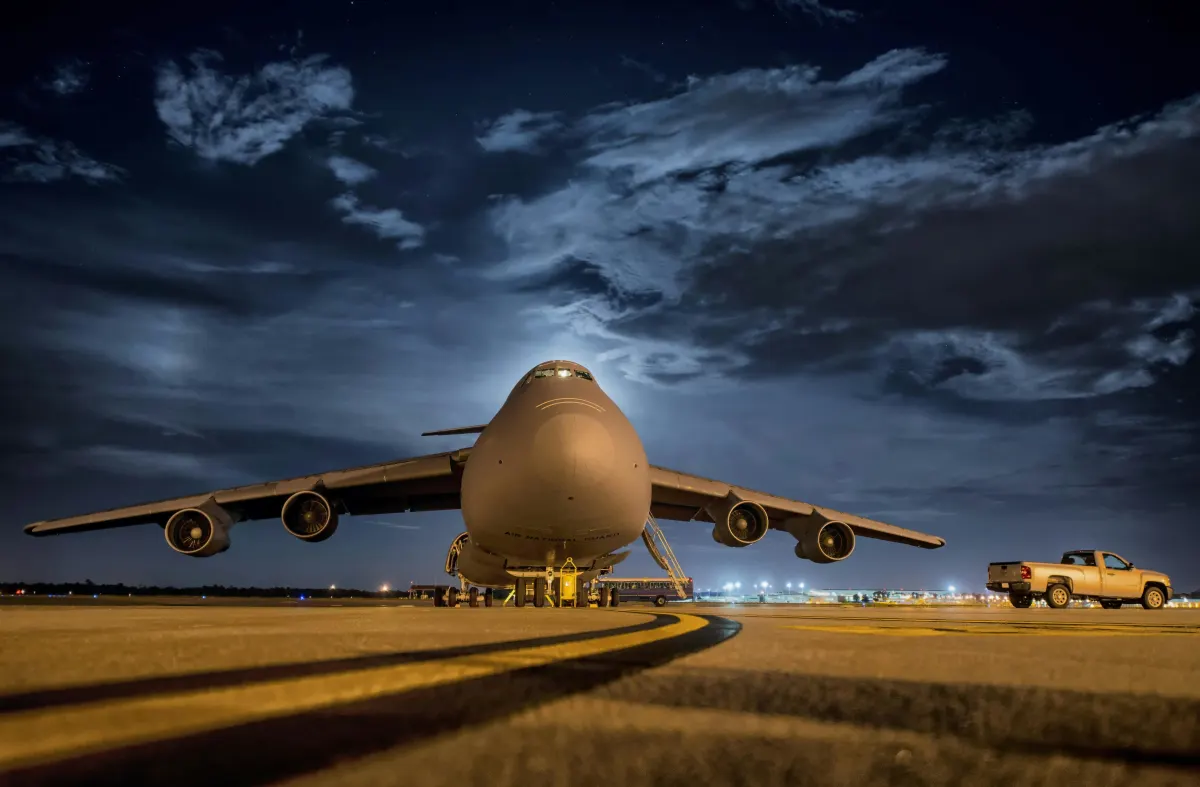
Air Arabia Consortium Gains AOC for New Dammam Budget Airline
A Saudi GACA-led consortium including Air Arabia has secured an AOC to launch a new budget airline based at Dammam's King Fahd International Airport.
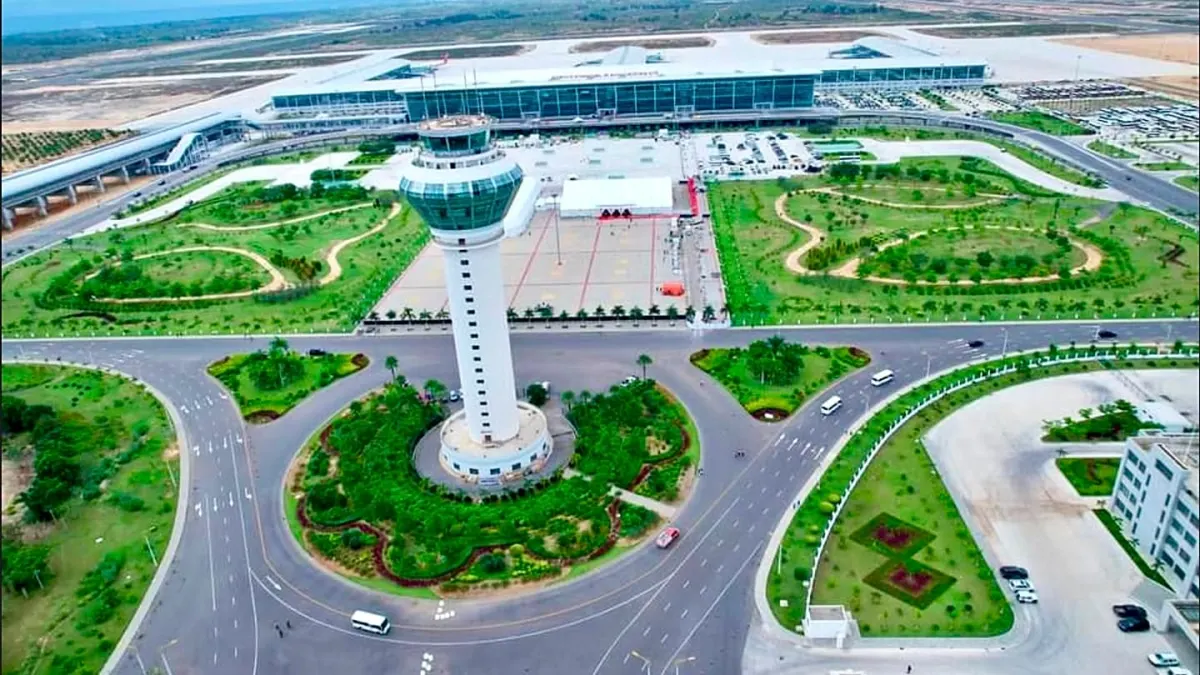
Turkish Airlines Exits Luanda as Angola Hub Struggles
Turkish Airlines dropped its Luanda route as Angola's new airport struggles to attract traffic, handling only 756,028 passengers in 2025.

Red Sea Airlines Leases Two 737 MAX 8s for 2027 Expansion
Red Sea Airlines signed a lease for two Boeing 737 MAX 8 aircraft from SMBC Aviation Capital, arriving in 2027 to support its 14-aircraft fleet goal.
Avelo CEO Warns Airfares May Rise on Jet Fuel Price Spikes
Avelo Airlines CEO Andrew Levy warns that rising fuel costs may force fare increases as global jet fuel prices reach $171.01 per barrel.