Air India Group Operates 24 Flights to West Asia Amid Route Suspensions

Co-Founder & CEOAviation News Editor delivering trusted coverage across the global aviation industry.
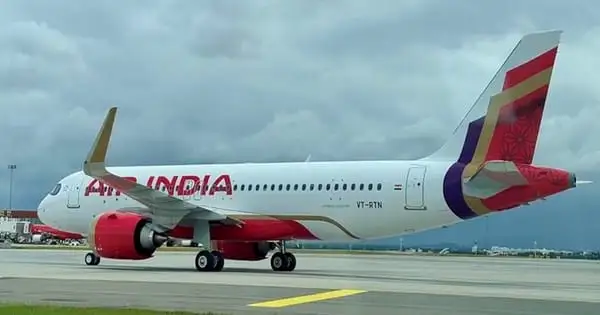
Air India Group is operating 24 flights to West Asia as it suspends numerous routes to the region, offering rebooking waivers to affected passengers.
Key Takeaways
- •Operating 24 total flights to West Asia amid widespread suspensions.
- •Suspending scheduled services to key hubs including Dubai, Riyadh, and Doha.
- •Offering full refunds or no-charge rebooking for affected passengers.
- •Utilizing ad hoc flights to maintain essential connectivity with the UAE.
The Air India Group announced it will operate a total of 24 scheduled and non-scheduled flights to and from West Asia on Tuesday, navigating significant regional airspace disruptions that have forced the temporary suspension of numerous routes. According to a company press release, the operational plan combines mainline Air India and its low-cost subsidiary Air India Express to maintain critical connections while many standard services remain grounded.
The adjusted schedule is a direct response to a severe geopolitical crisis impacting the Middle East. The airline's strategy focuses on a mix of regularly scheduled services to stable destinations and ad-hoc flights to areas with restrictions. This approach affects thousands of travelers, prompting the airline to implement flexible rebooking and refund policies to manage the disruption.
Detailed Flight Operations
Under the revised plan, Air India and Air India Express will jointly operate the 24 flights. Key active routes include scheduled services to Jeddah, Saudi Arabia, and Muscat, Oman. A significant portion of the operation involves 10 additional non-scheduled flights to the United Arab Emirates (UAE).
Service to Saudi Arabia remains partially active, with 10 flights scheduled between India and Jeddah. Air India will operate one return service from Delhi and two from Mumbai, while Air India Express will fly one service each from Hyderabad and Kozhikode. In contrast, all operations to Riyadh and Dammam are suspended.
In Oman, Air India Express will operate four scheduled flights to and from Muscat, connecting with Delhi and Mumbai. However, all flights to Salalah have been suspended.
The UAE, a major hub for Indian carriers, faces the most complex situation. While no regular scheduled operations are active in Dubai, both Air India and Air India Express are running ad-hoc flights to Delhi. Similarly, Abu Dhabi has no scheduled services, but ad-hoc flights by Air India Express are connecting to Delhi, Kozhikode, and Mumbai. Operations to Ras Al Khaimah, Sharjah, and Al Ain are fully suspended.
Furthermore, the airline confirmed that all services to Bahrain, Doha, Kuwait City, and Tel Aviv are suspended with no scheduled or ad-hoc flights planned. Air India stated that its long-haul flights to and from North America, Europe, and Australia continue to operate as per the normal schedule.
Impact on Passengers and Operations
The widespread suspensions have a high impact on passengers with existing bookings to the affected Middle Eastern destinations. To mitigate this, Air India Group has established a clear policy for affected customers. Passengers can rebook their travel to a future date without incurring additional charges or opt for a full refund. These requests can be managed through Air India's official website or its 24/7 customer support hotlines.
Air India Express passengers traveling from the UAE have been given the option to rebook onto additional commercial flights from any UAE station to any destination in India without extra fees. The airline is also leveraging technology, allowing passengers to manage rebookings through its Artificial Intelligence (AI)-powered digital assistant, Tia, available on WhatsApp.
For the airline group, the disruption results in a significant loss of revenue from high-traffic scheduled routes. However, the operation of ad-hoc flights, which require special permissions from the Indian Directorate General of Civil Aviation (DGCA) and local authorities, allows the carrier to maintain essential connectivity and serve stranded passengers.
Operational Response in Context
This is not the first time Indian carriers have had to mount complex operations in response to regional instability. The current situation is reminiscent of the April 2024 Middle East airspace closures, which prompted airlines to temporarily suspend flights to hubs like Tel Aviv and reroute around certain airspaces. That event provided a recent precedent for the rapid operational adjustments now being implemented.
Furthermore, Air India has a deep history of conducting large-scale, non-scheduled operations during crises. The Vande Bharat Mission, which began in May 2020 during the COVID-19 pandemic, stands as a major example of the airline's capability to orchestrate massive repatriation efforts from the Middle East and other parts of the world when scheduled commercial aviation was globally suspended.
What Comes Next
The Air India Group stated it is actively exploring opportunities to operate additional ad-hoc flights to and from destinations in West Asia, subject to regulatory approvals and local conditions. The situation remains fluid, and the airline's schedule may be subject to further changes based on the evolving geopolitical landscape.
Passengers are advised to monitor the airline's official channels for the latest updates on flight status and travel advisories. The continuation of ad-hoc services will depend heavily on securing necessary slots and permissions from both Indian and foreign regulatory bodies.
Why This Matters
This development underscores the vulnerability of global airline networks to regional geopolitical conflicts and the critical importance of operational agility. For airlines, the ability to rapidly shift from scheduled to non-scheduled services is a key element of crisis management. For passengers and businesses, it highlights the potential for sudden and severe travel disruptions, reinforcing the need for flexible booking options and clear communication from carriers during turbulent periods.
For in-depth airline coverage and commercial aviation news, omniflights.com delivers timely industry insights. From aircraft production to supply chains, commercial aviation manufacturing news is covered at omniflights.com/manufacturing.
Written by Hardik Vishwakarma
Co-Founder & Aviation News Editor leading initiatives that improve trust and visibility across the global aviation industry. Covers airlines, airports, safety, and emerging technology.
Visit ProfileYou Might Also Like
Discover more aviation news based on similar topics

Flydubai Upgrading 21 Boeing 737 MAX 8s to Flat Bed Seats
Flydubai is retrofitting 21 Boeing 737 MAX 8 aircraft with lie-flat business class seats to standardize its premium product by late 2027.
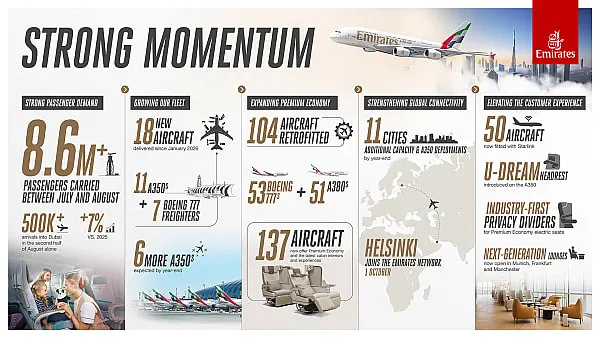
Emirates Winter Booking Momentum Grows Amid Fleet Expansion
Emirates carried 8.6 million passengers this summer and enters winter with strong demand as it accelerates fleet retrofits and network growth.
Air Arabia Consortium Gains AOC for New Dammam Budget Airline
A Saudi GACA-led consortium including Air Arabia has secured an AOC to launch a new budget airline based at Dammam's King Fahd International Airport.

Turkish Airlines Exits Luanda as Angola Hub Struggles
Turkish Airlines dropped its Luanda route as Angola's new airport struggles to attract traffic, handling only 756,028 passengers in 2025.

Red Sea Airlines Leases Two 737 MAX 8s for 2027 Expansion
Red Sea Airlines signed a lease for two Boeing 737 MAX 8 aircraft from SMBC Aviation Capital, arriving in 2027 to support its 14-aircraft fleet goal.
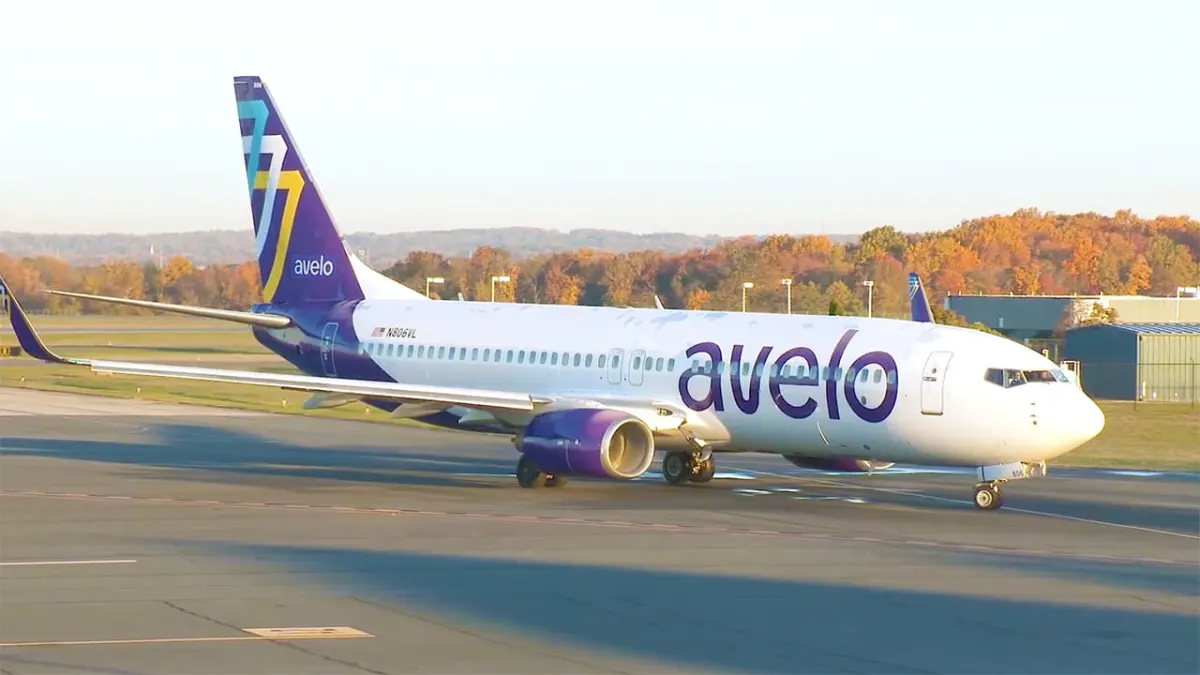
Avelo CEO Warns Airfares May Rise on Jet Fuel Price Spikes
Avelo Airlines CEO Andrew Levy warns that rising fuel costs may force fare increases as global jet fuel prices reach $171.01 per barrel.