Air India, Express Operate 20 Flights to West Asia Amid Conflict

Co-Founder & CEOAviation News Editor delivering trusted coverage across the global aviation industry.
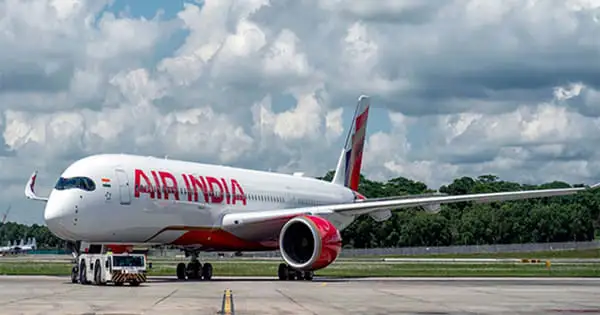
Air India and Air India Express operated 20 flights to West Asia on March 30, offering passenger rebooking options amid regional conflict disruptions.
Key Takeaways
- •Operated 20 scheduled and non-scheduled flights to West Asia on March 30, 2026.
- •Provided passengers free rebooking and refund options via its website and AI assistant Tia.
- •Secured regulatory approval from India's DGCA for extended flight duty times to bypass conflict zones.
- •Included 10 ad-hoc, non-scheduled flights specifically to and from the United Arab Emirates.
Air India and its low-cost subsidiary, Air India Express, operated a combined 20 scheduled and non-scheduled flights to and from the West Asia region on March 30, 2026. The move is part of the airline group's response to escalating geopolitical tensions that have prompted airspace restrictions and operational adjustments. According to an official notification from the carrier, the operations included 10 non-scheduled flights specifically to and from the United Arab Emirates (UAE).
These ad-hoc services are intended to manage passenger flow and maintain critical connectivity for travelers, particularly for the large Indian expatriate community in the region. The flights are contingent on slot availability and prevailing conditions at departure airports. Operations received the necessary permissions from India's Directorate General of Civil Aviation (DGCA) and local regulatory bodies in the UAE, including the General Civil Aviation Authority (GCAA).
Passenger Support and Rebooking
To mitigate disruption for travelers, the Air India group has implemented flexible booking policies. Passengers with tickets on temporarily suspended routes can rebook for a future date at no additional charge or opt for a full refund. The airline stated that flights to other international destinations, including North America, Europe, and Australia, continue to operate as scheduled.
Air India is proactively contacting affected customers and advises them to manage their bookings through the official Air India website. For direct assistance, the airline's 24/7 customer support hotlines are available at +911169329333 and +911169329999.
Air India Express has streamlined its rebooking process through its Artificial Intelligence (AI)-powered digital assistant, Tia. Impacted guests can access Tia via WhatsApp at +91 63600 12345 to rearrange their travel plans without incurring extra fees. More information is available on the Air India Express website.
Regulatory Adjustments and Safety Concerns
The ongoing conflict has necessitated dynamic rerouting to avoid restricted airspace over Iran and Iraq. To accommodate these longer flight paths, the DGCA has granted temporary relaxations to Flight Duty Time Limitations (FDTL) norms. This regulatory change allows flight crews to operate for an extended duration, increasing the maximum flight time by 1.5 hours to 11.5 hours, ensuring services can continue without violating crew rest requirements.
However, this approach has drawn criticism from some industry stakeholders. According to expert analysis, Indian pilots' associations have voiced significant safety concerns, urging the DGCA to consider a complete suspension of flights to the conflict-affected region rather than extending crew duty hours. They argue that the extended flight times and proximity to volatile airspace pose severe risks to both crew and passengers.
Industry Context and Historical Precedents
This operational response aligns with emerging industry trends in crisis management. The use of ad-hoc flights to manage disruptions mirrors the strategy employed during the Dubai floods in April 2024, when airlines operated special services to clear passenger backlogs. Furthermore, the long-term rerouting is analogous to the airspace avoidance measures adopted globally following the closure of Ukrainian airspace in February 2022, which also required regulatory FDTL adjustments.
The situation underscores the increasing reliance of airlines on technology to manage large-scale disruptions. The deployment of AI assistants like Tia for mass rebooking is a key example of how carriers are leveraging automation to handle surges in customer service demand during crises.
What Comes Next
The immediate future of flight operations in the region remains fluid and dependent on geopolitical developments. The temporary FDTL relaxations granted by the DGCA are confirmed to be in effect until April 30, 2026. The regulator's decision on whether to extend these provisions will be a key indicator of the expected duration of the disruptions. Meanwhile, the Air India group continues to explore opportunities for additional ad-hoc flights to maintain connectivity with West Asia.
Why This Matters
This event is a significant case study in modern airline resilience. It demonstrates how national carriers must navigate complex geopolitical risks through a combination of operational flexibility, close coordination with regulatory bodies, and the strategic use of technology. For the aviation industry, it highlights the new normal of dynamic airspace management and the critical importance of having robust crisis response plans to maintain network integrity and passenger trust in an increasingly volatile world.
Visit omniflights.com for the latest commercial aviation news and airline industry updates. For reporting on UAP sightings, investigations, and aviation-related encounters, see the UAPs section at omniflights.com/uaps.
Written by Hardik Vishwakarma
Co-Founder & Aviation News Editor leading initiatives that improve trust and visibility across the global aviation industry. Covers airlines, airports, safety, and emerging technology.
Visit ProfileYou Might Also Like
Discover more aviation news based on similar topics
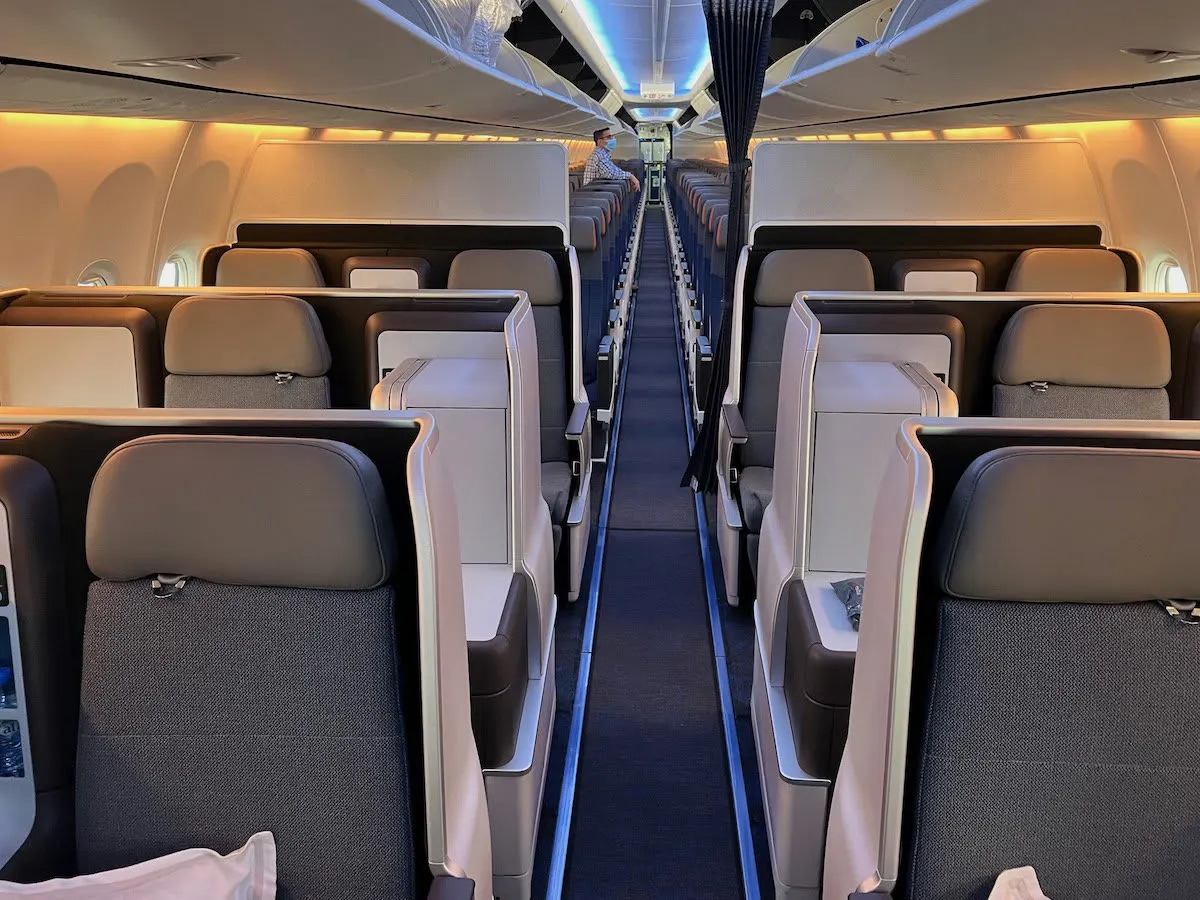
Flydubai Upgrading 21 Boeing 737 MAX 8s to Flat Bed Seats
Flydubai is retrofitting 21 Boeing 737 MAX 8 aircraft with lie-flat business class seats to standardize its premium product by late 2027.
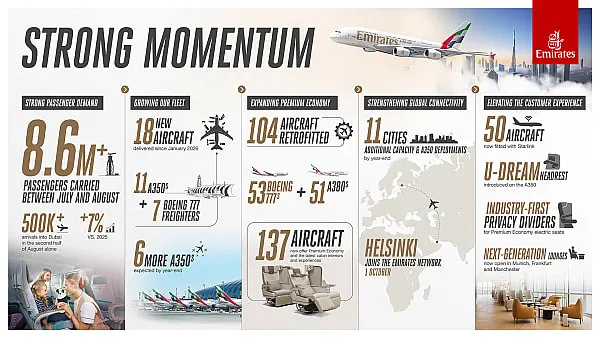
Emirates Winter Booking Momentum Grows Amid Fleet Expansion
Emirates carried 8.6 million passengers this summer and enters winter with strong demand as it accelerates fleet retrofits and network growth.

Air Arabia Consortium Gains AOC for New Dammam Budget Airline
A Saudi GACA-led consortium including Air Arabia has secured an AOC to launch a new budget airline based at Dammam's King Fahd International Airport.
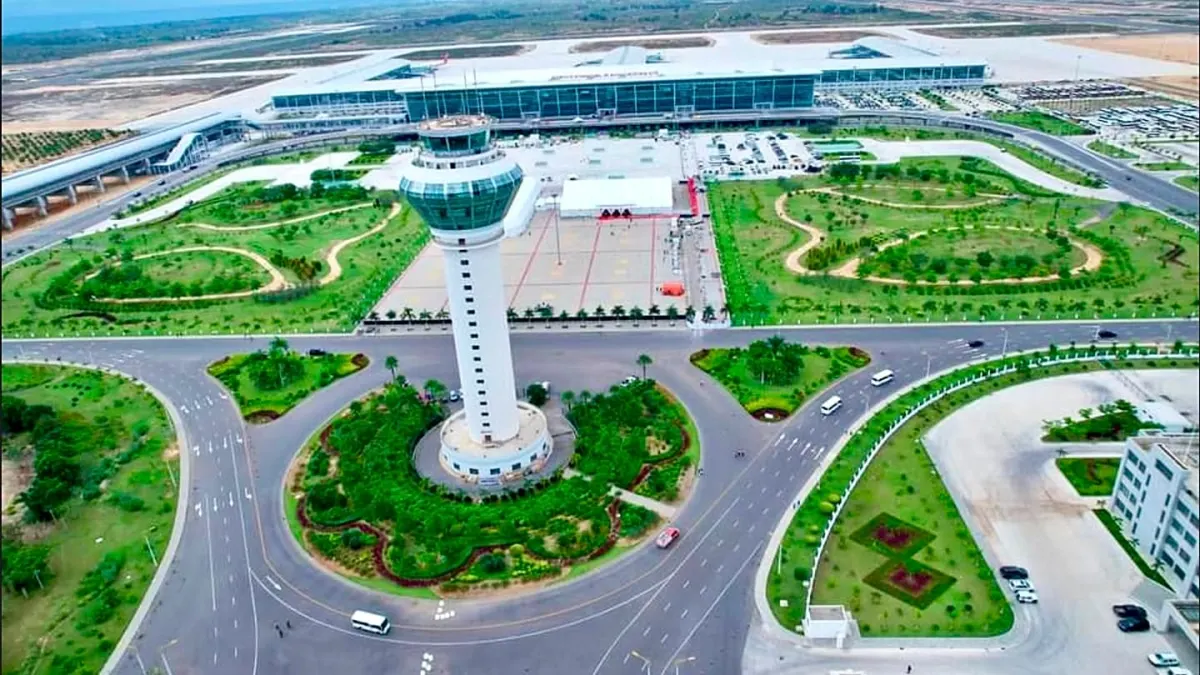
Turkish Airlines Exits Luanda as Angola Hub Struggles
Turkish Airlines dropped its Luanda route as Angola's new airport struggles to attract traffic, handling only 756,028 passengers in 2025.

Red Sea Airlines Leases Two 737 MAX 8s for 2027 Expansion
Red Sea Airlines signed a lease for two Boeing 737 MAX 8 aircraft from SMBC Aviation Capital, arriving in 2027 to support its 14-aircraft fleet goal.
Avelo CEO Warns Airfares May Rise on Jet Fuel Price Spikes
Avelo Airlines CEO Andrew Levy warns that rising fuel costs may force fare increases as global jet fuel prices reach $171.01 per barrel.