Air India Deploys More B787 Pilots Amid Westbound Route Disruptions

Co-Founder & CEOAviation News Editor delivering trusted coverage across the global aviation industry.
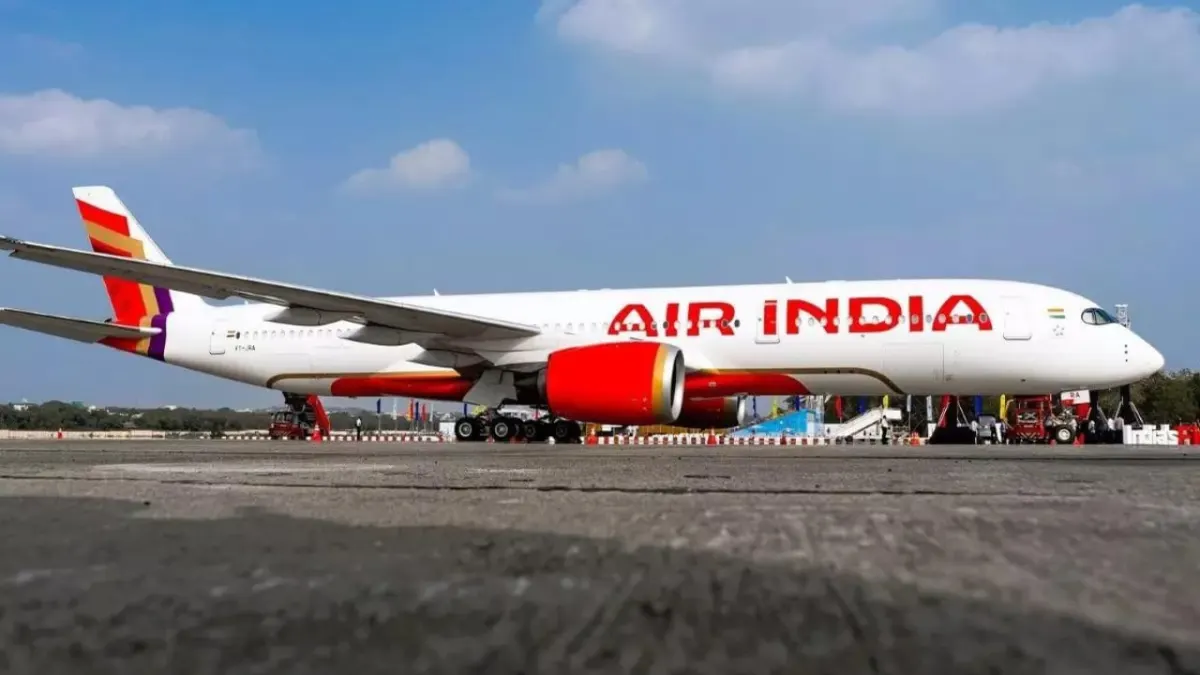
Air India is converting over 40 pilots to its B787 fleet to combat crew fatigue from longer westbound flights caused by ongoing airspace restrictions.
Key Takeaways
- •Converts over 40 pilots to Boeing 787s to address crew shortages.
- •Operates 11.5-hour flights with two pilots under DGCA FDTL dispensations.
- •Faces longer westbound routes due to Pakistan and Middle East airspace closures.
- •Reports widespread pilot fatigue amid increasing flight duty times.
Air India (AI) is reassigning and training pilots for its Boeing 787 Dreamliner fleet to manage extended flight times on key routes to Europe and the United Kingdom. The move comes in response to compounding airspace restrictions to the west of India, which have lengthened flight paths and raised concerns about crew fatigue. The airline is finalizing the conversion of 28 to 30 Boeing 777 (B777) pilots to the B787, with another batch of 15 narrow-body pilots scheduled to begin conversion training on March 23, 2026.
The operational changes are a direct consequence of geopolitical instability impacting flight operations. A critical factor is the closure of Pakistan airspace to Indian carriers, which took effect on April 23, 2025. This forces westbound flights to take longer southerly routes over the Arabian Sea. The situation has been exacerbated by expanding no-fly zones resulting from the Israel-Iran conflict, pushing flight paths even further south and adding significant time to journeys.
Regulatory Response and Crew Impact
To cope with the extended flight durations, Air India has sought and received dispensations from India's Directorate General of Civil Aviation (DGCA). These exemptions to standard Flight Duty Time Limitation (FDTL) rules permit the airline to operate flights of up to 11.5 hours with a standard two-pilot crew, bypassing the typical requirement for crew augmentation on such long sectors. This has placed considerable strain on the airline's widebody pilot corps.
Pilots have expressed significant concerns about the cumulative effect of these extended duties. In a statement attributed to numerous pilots, the sentiment was clear: "We are completely fatigued now as the buildup has been happening for a year and instead of getting any relief, its keeps getting worse with more punishing FDTL dispensations." The primary stakeholder group impacted is Air India's widebody pilots, who are experiencing severe fatigue. The regulator is also under pressure from pilot unions regarding the safety implications of continuously granting these FDTL exemptions.
Fleet Modernization Context
The pilot conversions are also linked to Air India's broader fleet strategy. The carrier is in the process of a major fleet modernization program, which includes inducting new Airbus A350 aircraft later in 2026. Concurrently, the number of active B777s is temporarily decreasing as legacy aircraft are taken out of service for a $400 million retrofitting program. According to an official Air India press release, this program includes 13 Boeing 777-300ERs, with the work scheduled to begin in early 2027. This temporary reduction in B777 availability makes the operational readiness of the B787 fleet even more critical.
Historical Precedents
The current situation is not without precedent. In February 2019, Pakistan closed its airspace for nearly five months following the Balakot airstrikes, costing Indian airlines millions in additional fuel and operational expenses due to lengthy detours. That event demonstrated the severe financial and operational impact of such closures. Similarly, the February 2022 ban on Western carriers from Russian airspace added hours to Europe-Asia flights, requiring crew augmentation and rendering some routes economically unviable. These historical events underscore the vulnerability of airline networks to geopolitical conflicts, a pattern now repeating for Indian carriers on westbound routes.
Technical Analysis
This development indicates a direct link between regional geopolitical instability and tactical airline management. Air India's response—accelerating pilot conversions and relying on regulatory dispensations—highlights a growing industry trend where operational agility is paramount. The situation forces a difficult balance between maintaining network connectivity and managing crew welfare under established safety protocols. The reliance on FDTL exemptions, while a necessary stopgap, is unsustainable and puts pressure on both the airline and the DGCA to find a more permanent solution. This crisis accelerates the strategic importance of highly efficient, long-range twin-engine aircraft like the B787 and A350, which offer the flexibility needed to operate on longer, diverted routes without significant economic penalties. The events follow the historical precedent of airspace closures leading to increased operational costs and strain, but the added dimension of pilot fatigue under regulatory exemptions points to a potential friction point in safety management.
What Comes Next
Air India has confirmed a clear timeline for its pilot deployment strategy. The conversion training for the group of 15 narrow-body pilots is confirmed to begin on March 23, 2026. Following the completion of their training, the nearly 30 pilots converting from the B777 are expected to begin flying the B787 in April 2026. The fleet will be further augmented by the arrival of additional Airbus A350 aircraft, which are expected in late 2026. Looking further ahead, the comprehensive retrofit program for the legacy Boeing 777-300ERs is confirmed to commence in early 2027.
Why This Matters
This situation illustrates how regional conflicts have a direct and material impact on global airline operations, affecting flight times, operational costs, and crew welfare. It underscores the critical challenge airlines face in adapting to an increasingly unpredictable geopolitical landscape. For regulators, it highlights the difficult balance between enabling operational continuity for carriers and upholding stringent safety standards designed to prevent pilot fatigue.
Get breaking commercial aviation news and expert airline analysis at omniflights.com. Discover how innovation is shaping aviation through aircraft systems, avionics, and digital tools at omniflights.com/technology.
Written by Hardik Vishwakarma
Co-Founder & Aviation News Editor leading initiatives that improve trust and visibility across the global aviation industry. Covers airlines, airports, safety, and emerging technology.
Visit ProfileYou Might Also Like
Discover more aviation news based on similar topics
Flydubai Upgrading 21 Boeing 737 MAX 8s to Flat Bed Seats
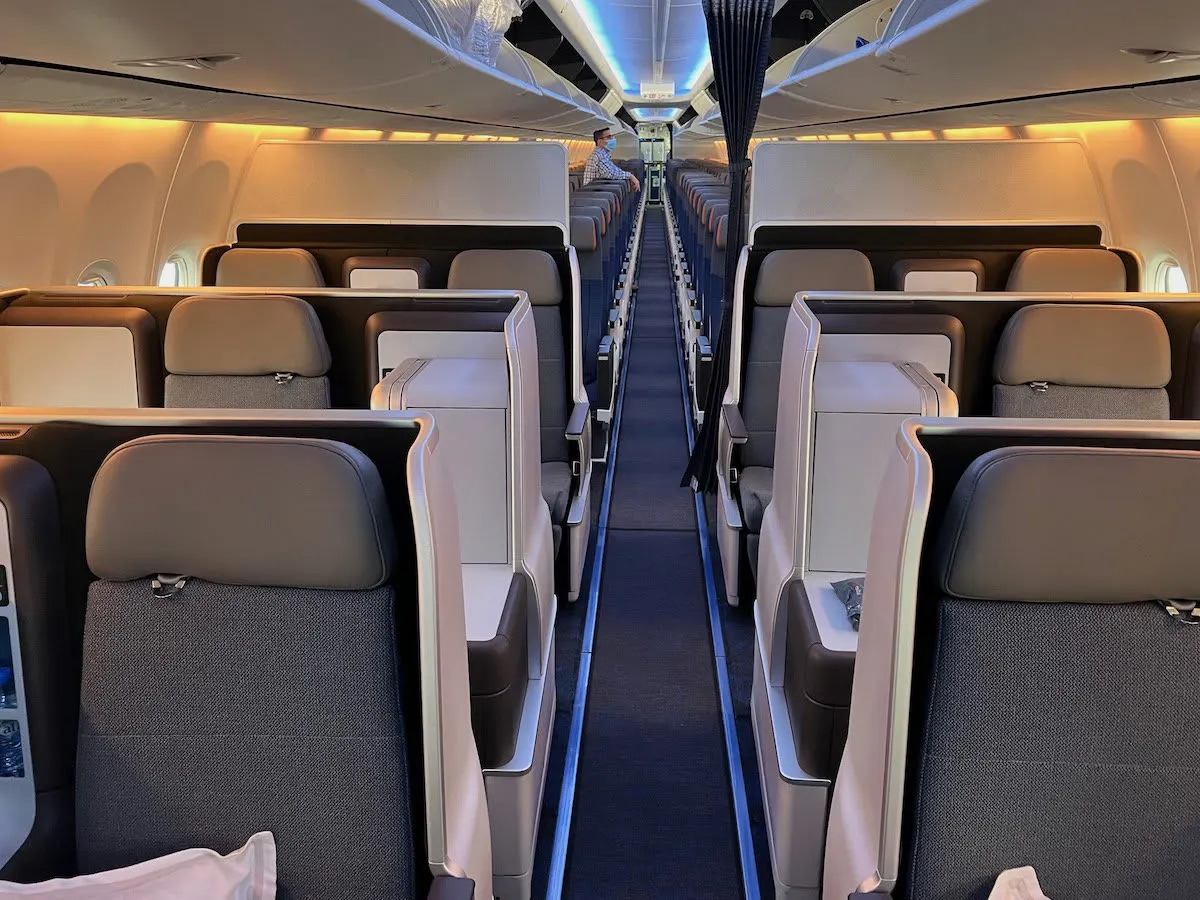
Flydubai is retrofitting 21 Boeing 737 MAX 8 aircraft with lie-flat business class seats to standardize its premium product by late 2027.
Emirates Winter Booking Momentum Grows Amid Fleet Expansion
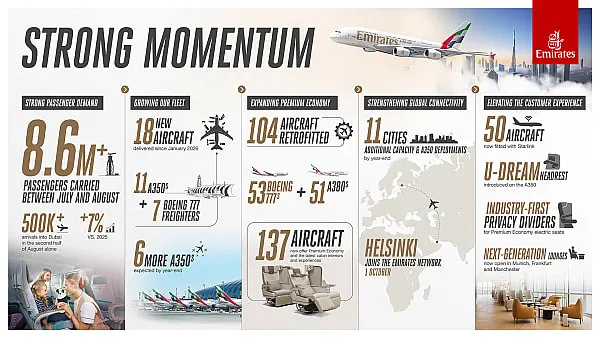
Emirates carried 8.6 million passengers this summer and enters winter with strong demand as it accelerates fleet retrofits and network growth.
Air Arabia Consortium Gains AOC for New Dammam Budget Airline
A Saudi GACA-led consortium including Air Arabia has secured an AOC to launch a new budget airline based at Dammam's King Fahd International Airport.
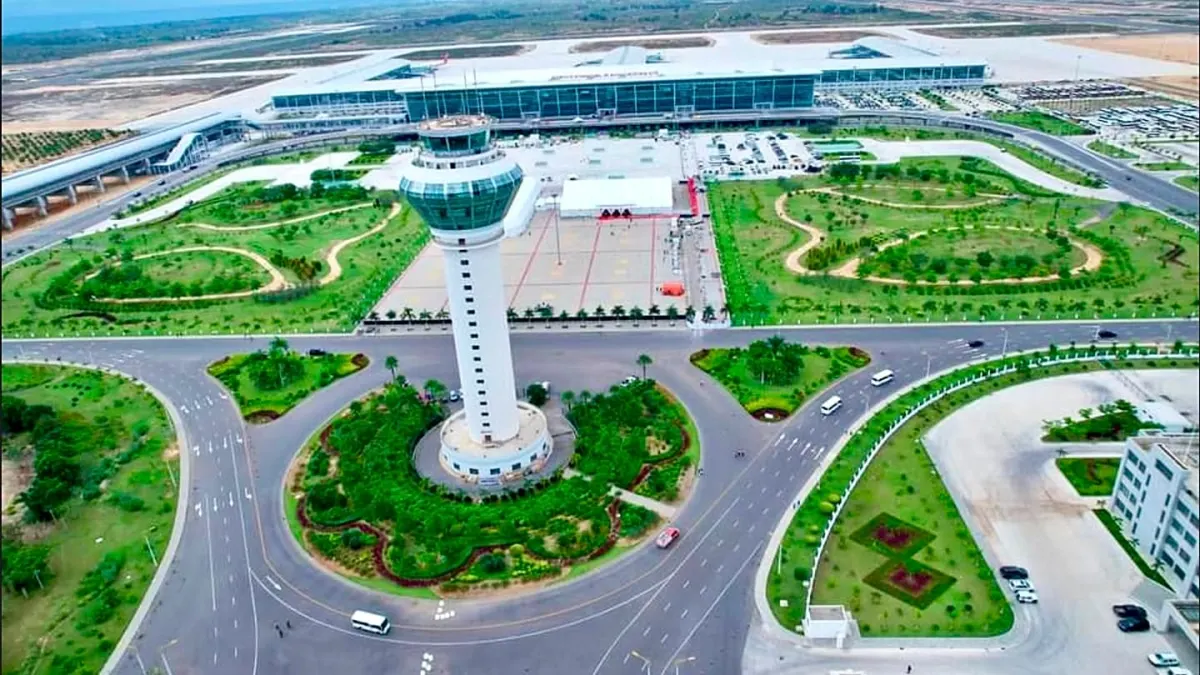
Turkish Airlines Exits Luanda as Angola Hub Struggles
Turkish Airlines dropped its Luanda route as Angola's new airport struggles to attract traffic, handling only 756,028 passengers in 2025.
Red Sea Airlines Leases Two 737 MAX 8s for 2027 Expansion
Red Sea Airlines signed a lease for two Boeing 737 MAX 8 aircraft from SMBC Aviation Capital, arriving in 2027 to support its 14-aircraft fleet goal.
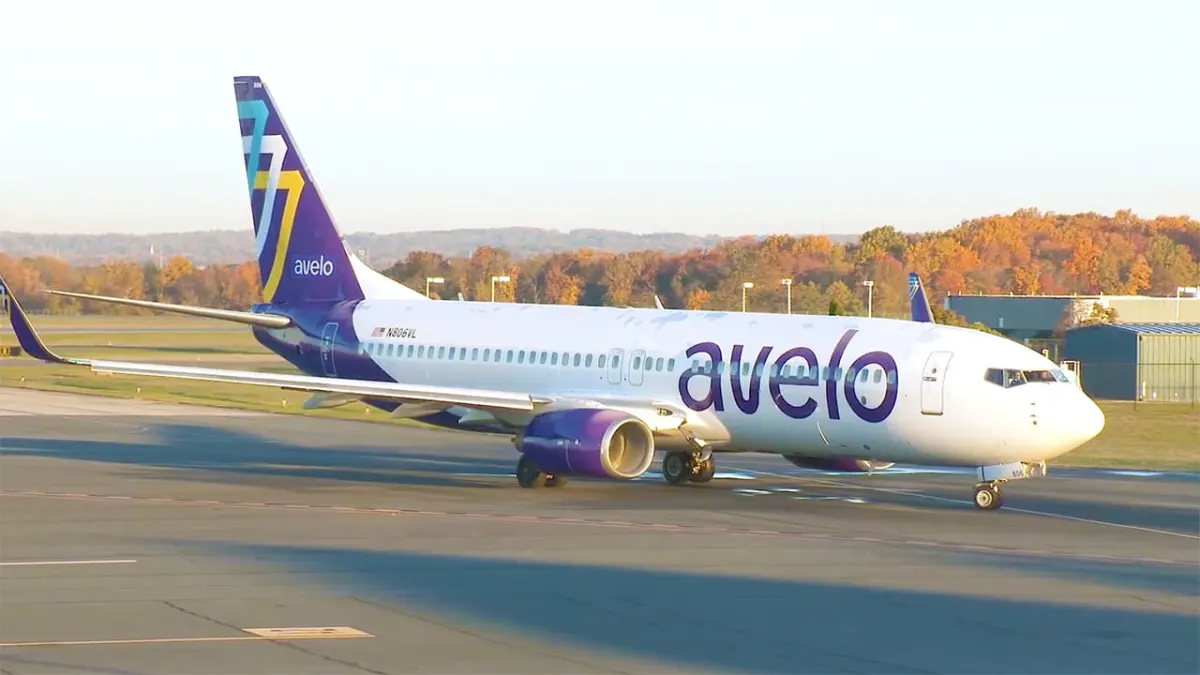
Avelo CEO Warns Airfares May Rise on Jet Fuel Price Spikes
Avelo Airlines CEO Andrew Levy warns that rising fuel costs may force fare increases as global jet fuel prices reach $171.01 per barrel.