Air China Resumes Beijing-Pyongyang Flights After Six-Year Hiatus

Co-Founder & CEOAviation News Editor delivering trusted coverage across the global aviation industry.

Air China has resumed direct flights between Beijing and Pyongyang after a six-year pause, marking a key step in North Korea's gradual reopening.
Key Takeaways
- •Resumes direct Beijing-Pyongyang flights after a six-year suspension.
- •Operates flight CA121 using a Boeing 737-700 with a 128-passenger capacity.
- •Follows the restart of cross-border train services as part of North Korea's gradual reopening.
- •Aims to restore a key economic link, with tourism expected to follow in mid-to-late 2026.
Air China has restarted direct passenger flights between Beijing and Pyongyang, ending a six-year suspension that began with North Korea's strict border closures in 2020. The resumption of flight CA121 is a significant development in the gradual reopening of the isolated country's international transport links, following the restart of cross-border train services earlier in the month.
The service, which recommenced on March 30, 2026, signals a strengthening of economic and diplomatic ties between China and the Democratic People's Republic of Korea (DPRK). For years, China has been North Korea's most crucial trading partner and source of political support. The restoration of this key air corridor provides a vital connection for business, official travel, and potential future tourism, which was a significant source of foreign currency for Pyongyang before the pandemic.
Flight Details and Operations
According to FlightStats data, the inaugural resumed flight, CA121, departed from Beijing Capital International Airport (PEK) at 7:58 am local time and arrived at Pyongyang Sunan International Airport (FNJ) at 10:37 am. The route is operated using a Boeing 737-700 aircraft, which has a typical passenger capacity of up to 128 seats. While the flights are now operational, travel remains restricted to individuals with business, study, or other approved purposes.
Chinese Ambassador to North Korea, Wang Yajun, described the event as "symbolic... in bilateral aviation transport cooperation" that will "inject new momentum into human movement, economic and trade cooperation, and cultural exchanges." The sentiment was echoed by business travelers, who noted the new route offers greater convenience for frequent travel between the two capitals.
Context of the Reopening
This move by Air China is part of a broader, phased reopening of North Korea's borders. The country sealed itself off from the world in January 2020 under the authority of the State Emergency Epidemic Prevention Headquarters to prevent the spread of COVID-19. The first step towards normalization in aviation occurred in August 2023, when North Korea's flag carrier, Air Koryo, resumed its own flights to Beijing.
The resumption of air services follows closely on the heels of another key transport link reopening. On March 12, 2026, daily passenger train services between the Chinese city of Dandong and Pyongyang were restored. This coordinated restoration of both rail and air links points to a deliberate strategy to rebuild connectivity. The reopening also coincides with a recovery in bilateral trade, which has returned to nearly $3 billion annually post-pandemic.
Economic and Tourism Impact
The economic implications are substantial, particularly for North Korea's tourism sector. Prior to the pandemic, Chinese visitors were the backbone of the industry. According to the National Tourism Administration of the DPRK, Chinese tourists accounted for approximately 350,000 visitors in 2019, representing about 90% of all foreign arrivals. For Chinese tour operators, the resumption of flights is a precursor to reviving lucrative tour packages, although general tourism remains on hold.
From a sanctions perspective, the increased connectivity and trade present a complex picture. The UN Panel of Experts on North Korea sanctions has previously raised concerns that such economic lifelines could undermine international efforts by providing Pyongyang with access to foreign currency.
Technical Comparison: Air China vs. Air Koryo
The resumption of Air China's service introduces a Western-built aircraft to the route, complementing the Russian-made fleet operated by Air Koryo.
| Metric | Boeing 737-700 (Air China) | Tupolev Tu-204-300 (Air Koryo) |
|---|---|---|
| Capacity | 128 pax | ~142 pax |
| Range | 3,010 nmi | 5,000 nmi |
| Manufacturer | Boeing (USA) | Tupolev (Russia) |
What Comes Next
With key air and rail links restored for essential travel, the next major milestone is the full reopening to tourism. The National Tourism Administration of the DPRK is expected to begin issuing general tourist visas for Chinese citizens in mid-to-late 2026. This step would fully restore the pre-pandemic travel infrastructure and unlock a critical revenue stream for the North Korean economy.
Business traveler Zhao Bin expressed widespread optimism, stating, "I expect both railway routes and Air China flights will increase, and there will be more exchanges and travel between people."
Why This Matters
The resumption of Air China's Beijing-Pyongyang route is more than a schedule update; it is a geopolitical and economic indicator. It demonstrates a deepening of the bilateral relationship between China and North Korea and marks a critical phase in the latter's cautious re-engagement with the world. For the aviation industry, it re-establishes a unique and politically sensitive air corridor in East Asia.
From airline operations to fleet updates, commercial aviation news lives at omniflights.com. Stay informed on aviation incidents, investigations, and best practices in the Safety category at omniflights.com/safety.
Written by Hardik Vishwakarma
Co-Founder & Aviation News Editor leading initiatives that improve trust and visibility across the global aviation industry. Covers airlines, airports, safety, and emerging technology.
Visit ProfileYou Might Also Like
Discover more aviation news based on similar topics
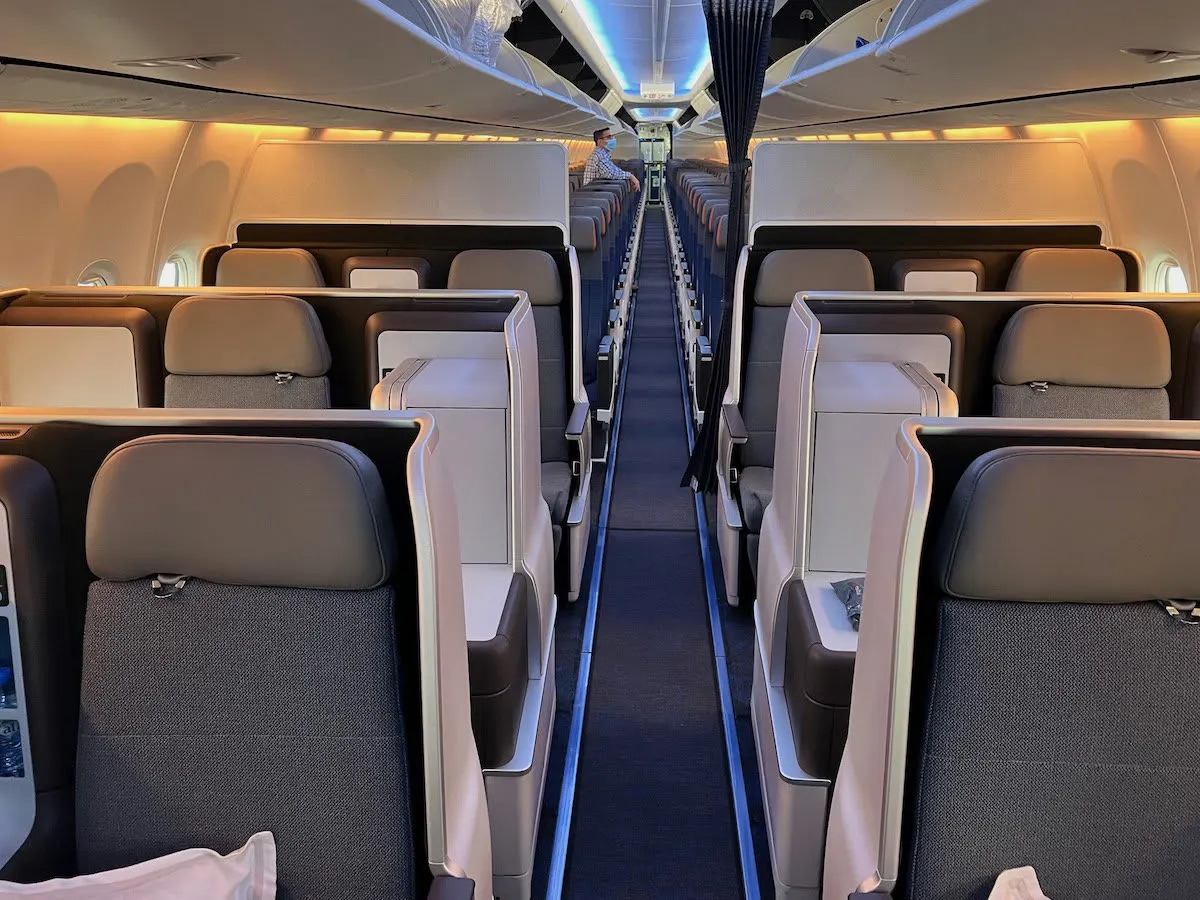
Flydubai Upgrading 21 Boeing 737 MAX 8s to Flat Bed Seats
Flydubai is retrofitting 21 Boeing 737 MAX 8 aircraft with lie-flat business class seats to standardize its premium product by late 2027.
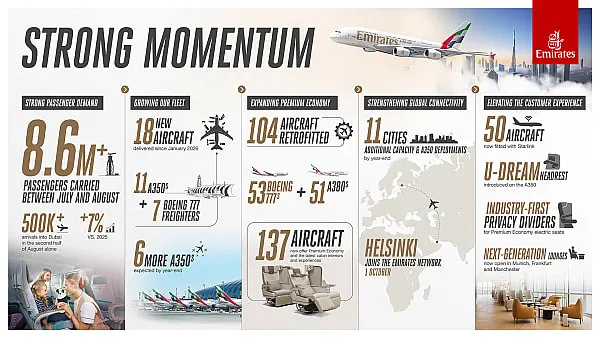
Emirates Winter Booking Momentum Grows Amid Fleet Expansion
Emirates carried 8.6 million passengers this summer and enters winter with strong demand as it accelerates fleet retrofits and network growth.
Air Arabia Consortium Gains AOC for New Dammam Budget Airline
A Saudi GACA-led consortium including Air Arabia has secured an AOC to launch a new budget airline based at Dammam's King Fahd International Airport.
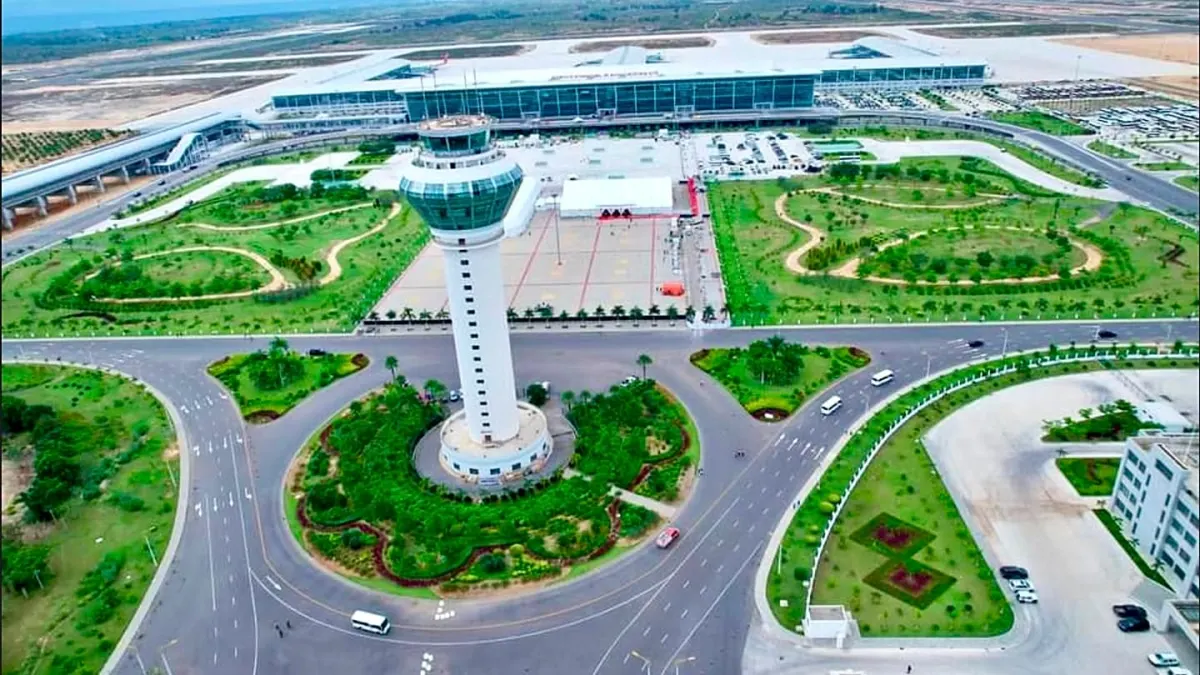
Turkish Airlines Exits Luanda as Angola Hub Struggles
Turkish Airlines dropped its Luanda route as Angola's new airport struggles to attract traffic, handling only 756,028 passengers in 2025.

Red Sea Airlines Leases Two 737 MAX 8s for 2027 Expansion
Red Sea Airlines signed a lease for two Boeing 737 MAX 8 aircraft from SMBC Aviation Capital, arriving in 2027 to support its 14-aircraft fleet goal.
Avelo CEO Warns Airfares May Rise on Jet Fuel Price Spikes
Avelo Airlines CEO Andrew Levy warns that rising fuel costs may force fare increases as global jet fuel prices reach $171.01 per barrel.