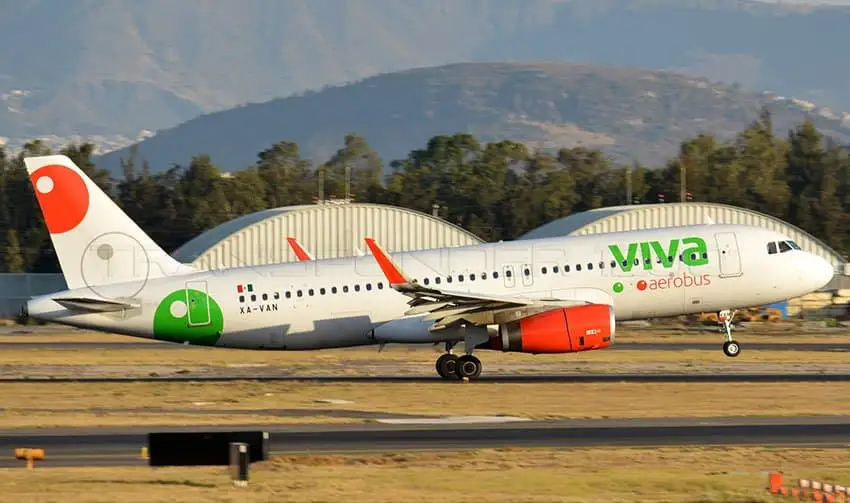
Air Canada Faces Delays on Airbus A321XLR Jet Deliveries

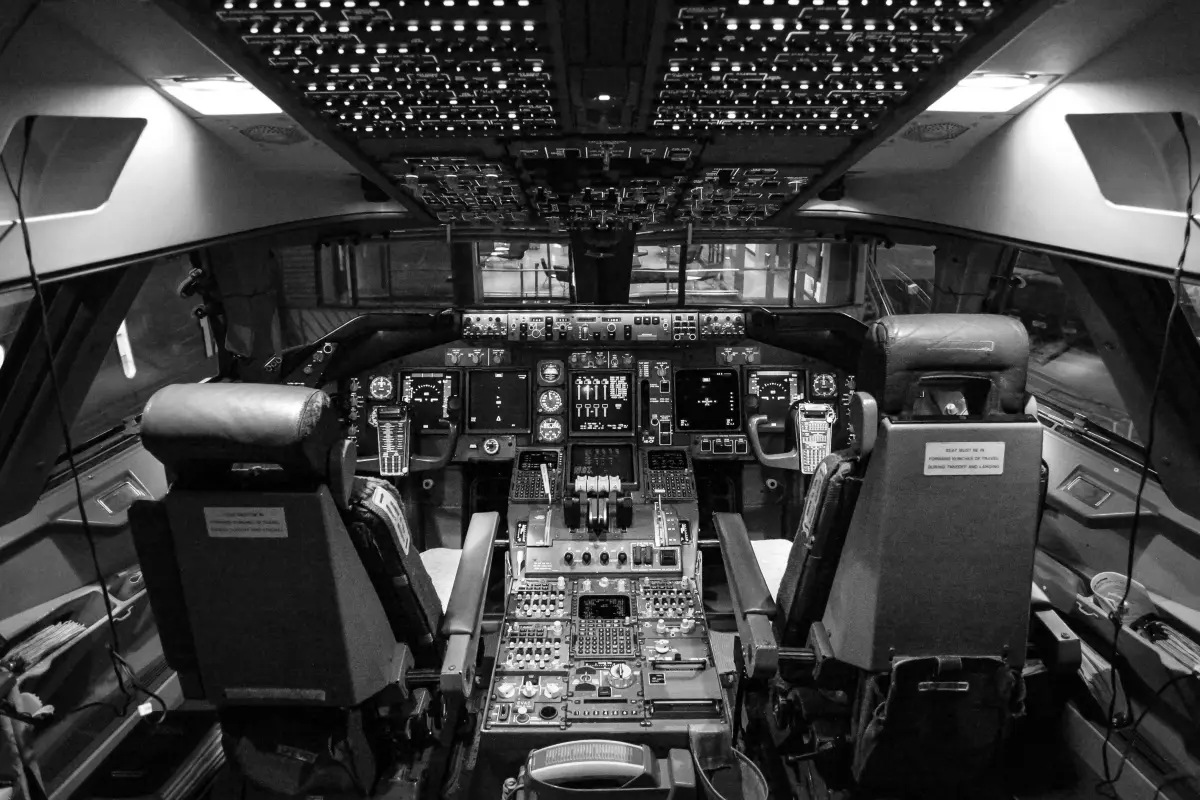
Air Canada confirms delivery delays for its Airbus A321XLR order, citing persistent aerospace supply chain constraints and production challenges.
Key Takeaways
- •Air Canada reports delivery delays for its 30-aircraft A321XLR order.
- •Global aerospace supply chain constraints are hindering Airbus production rates.
- •A321XLR offers 30% lower fuel burn compared to previous-generation aircraft.
- •Commercial entry into service for the fleet is expected by summer 2026.
Air Canada A321XLR Delivery Schedule Challenges
Air Canada is experiencing delivery delays for its new Airbus A321 Extra Long Range (A321XLR) aircraft, the airline's Chief Operating Officer confirmed. These delays are part of broader aviation supply chain issues currently affecting global original equipment manufacturers. The airline has 30 A321XLRs on order, with the first delivery initially slated for April 2026. This Airbus delivery schedule shift reflects the persistent friction within the aerospace manufacturing ecosystem, which continues to impact fleet modernization strategies for major carriers.
Operational Impact and Network Planning
For Air Canada network planning, the delay necessitates adjustments to the launch of thin, long-haul routes previously slated for the A321XLR. The aircraft is designed to offer a range of up to 4,700 nautical miles while burning approximately 30% less fuel per seat compared to previous-generation aircraft. The carrier's specific configuration includes 182 seats, split between 14 lie-flat Signature Class suites and 168 economy seats. By relying on older, less fuel-efficient aircraft for longer, the airline faces challenges in meeting near-term sustainability targets, an issue highlighted by environmental advocacy groups concerned with the delayed introduction of higher-efficiency assets.
The Broader Manufacturing Context
Global aircraft manufacturers, including Airbus and Boeing, are currently navigating significant aerospace labor shortages and component scarcity. According to the European Union Aviation Safety Agency (EASA), the A321XLR received type certification for its CFM International (CFM) LEAP-1A engines in July 2024, with the Pratt & Whitney (P&W) Geared Turbofan (GTF) variant following in early 2025. Despite these regulatory milestones, the physical production ramp-up remains constrained. Historically, such bottlenecks have proven chronic; for example, the Boeing 787 Dreamliner production delays between 2007 and 2011 saw entries into service pushed back by over three years due to similar supply chain friction.
Airbus A321XLR vs. Airbus A321neo: Key Specifications
| Metric | Airbus A321XLR | Airbus A321neo |
|---|---|---|
| Maximum Range | 4,700 nm | 3,500 nm |
| MTOW | 101 tonnes | 97 tonnes |
| Fuel Tank Configuration | Permanent Rear Centre Tank | Optional Additional Centre Tanks |
What the Production Data Reveals
This development indicates that even with successful certification, the transition to high-rate production for new narrowbody platforms remains a high-risk phase for OEMs. The Airbus A321XLR official specifications highlight the technical complexity of the permanent rear centre tank, which is central to the aircraft's extended range. The current friction in the system suggests that airlines may continue to face schedule volatility throughout 2026. While labor representatives argue that these shortages stem from retention and compensation issues, the operational reality for airlines is a requirement to maintain legacy fleets longer than planned to cover capacity gaps.
A321XLR Commercial Entry Into Service Ramp-Up
Looking ahead, the commercial entry into service for the A321XLR at Air Canada is expected to ramp up through summer 2026, though this remains subject to further updates from the manufacturer. The completion of the full 30-aircraft order is projected to occur between 2029 and 2030. These dates serve as key markers for the carrier as it attempts to integrate the aircraft into its transatlantic network, where single-aisle long-haul operations are becoming a critical tool for maintaining thin-route profitability.
Why This Matters for Network Capacity
For Air Canada, the delay represents a significant operational hurdle that limits the carrier's ability to deploy high-efficiency aircraft on thin transatlantic routes. The situation highlights the vulnerability of airline fleet planning to OEM production cycles, where supply chain constraints directly translate into deferred revenue and increased operational costs. As the industry continues to prioritize fuel efficiency to meet carbon reduction goals, the delay of the A321XLR serves as a reminder of the logistical challenges inherent in modern aircraft manufacturing.
Frequently Asked Questions
- What is the primary cause of the delivery delays for Air Canada's A321XLR?
- Air Canada's delivery delays are primarily attributed to broader aerospace supply chain constraints, including component shortages and labor challenges facing manufacturers like Airbus.
- How many A321XLR aircraft has Air Canada ordered?
- Air Canada has ordered a total of 30 Airbus A321XLR aircraft, consisting of 15 direct purchases from Airbus and 15 leased through SMBC Aviation Capital.
omniflights.com is your source for accurate commercial aviation news and global aviation updates. For reporting on UAP sightings, investigations, and aviation-related encounters, see the UAPs section at omniflights.com/uaps.

Written by Hardik Vishwakarma
Co-Founder & Aviation News Editor leading initiatives that improve trust and visibility across the global aviation industry. Covers airlines, airports, safety, and emerging technology.
Visit ProfileYou Might Also Like

Turkish Airlines Signs Deal for 300+ LEAP-1B Engines

Lufthansa A350-1000 to Debut on Munich-Haneda Route
Cathay Pacific Weighs Widebody Fleet Expansion Plans

American Airlines Drops 3 Routes Amid Network Optimization
JAL Orders 16 Embraer E190-E2 Jets for Regional Fleet