Adani to Invest $2.1B in Airport City Projects

Co-Founder & CEOAviation News Editor delivering trusted coverage across the global aviation industry.
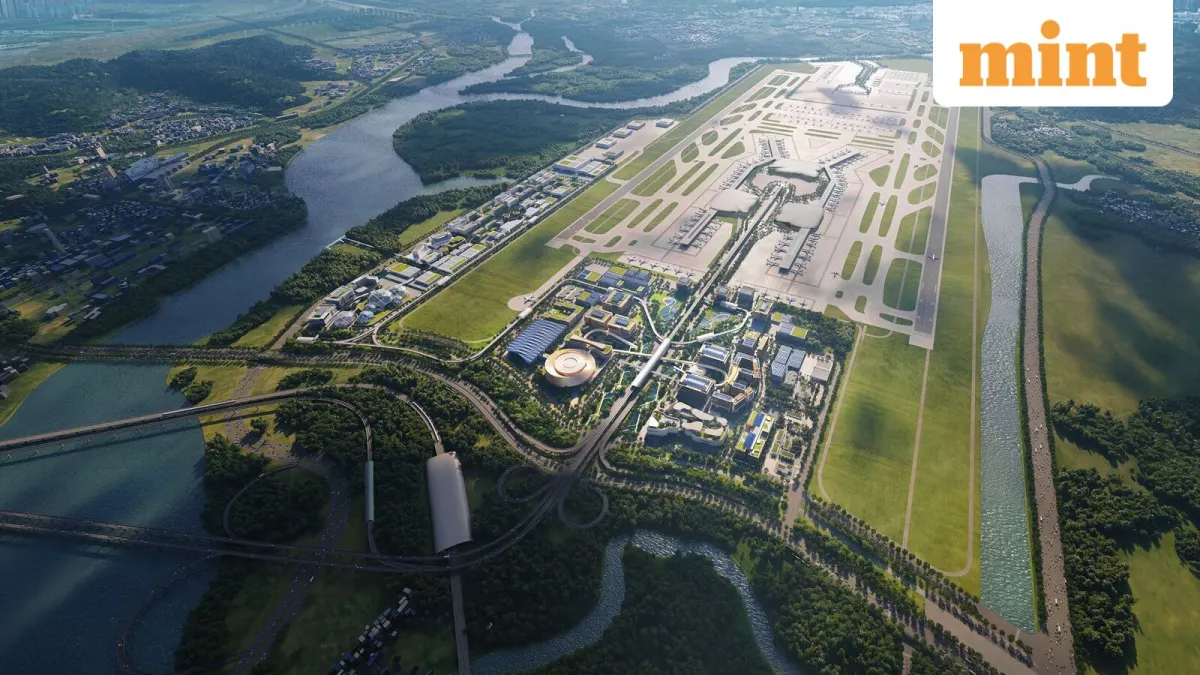
Adani Airport Holdings Limited will invest $2.1 billion to develop 22 million square feet of mixed-use infrastructure across six Indian airports.
Key Takeaways
- •AAHL to invest $2.1 billion in airport city developments.
- •Projects cover 655 acres across six Indian airports.
- •70% of total investment is concentrated in the Mumbai region.
- •Development includes 22 million square feet of mixed-use space.
Adani Launches Large-Scale Airport City Development
Adani Airport Holdings Limited (AAHL) announced a strategic investment of more than $2.1 billion (₹20,000 crore) to initiate the first phase of a massive airport city development program. The project spans over 655 acres across six airports, including facilities in Mumbai, Navi Mumbai, Ahmedabad, Lucknow, Jaipur, and Guwahati. This initiative aims to transform transit hubs into integrated urban destinations, leveraging approximately 22 million square feet of mixed-use infrastructure to drive long-term commercial growth.
This capital-intensive move represents a significant expansion of the Adani Airport City project portfolio, focusing on creating non-aeronautical revenue streams. By diversifying into commercial real estate, hospitality, and retail, the operator seeks to insulate its aviation business from the inherent volatility of the airline industry. The strategy aligns with global trends where major hubs generate 40% to 60% of total income from non-aviation sources.
Concentration of Capital in the Mumbai Metropolitan Region
Nearly 70% of the planned investment is earmarked for the Mumbai Metropolitan Region (MMR), which will host the primary development efforts. Specifically, 440 acres of the total land bank are situated within Mumbai and the upcoming Navi Mumbai International Airport (NMIA) site. This concentration underscores the importance of the Navi Mumbai airport development in the group's broader infrastructure strategy, as the region remains the primary gateway for India’s international and domestic traffic.
According to Jeet Adani, Director of AAHL, the goal is to create centers of commerce and tourism that offer value far beyond traditional aviation services. "We are creating a network of integrated urban destinations where airports become catalysts for investment, employment, and better passenger experiences," he stated in the official June 25, 2026, press release. This approach mirrors the success of benchmarks like the Delhi Aerocity, which transformed its surrounding precinct into a major hospitality hub, and the Jewel Changi Airport model in Singapore.
Regulatory and Environmental Context
Large-scale developments of this nature require extensive coordination with regulatory bodies, including the Ministry of Environment, Forest and Climate Change (MoEFCC) and local planning authorities such as CIDCO. These projects must adhere to strict environmental impact assessments and building height restrictions mandated by civil aviation authorities. Furthermore, the Airports Economic Regulatory Authority of India (AERA) continues to monitor how such non-aeronautical revenues interact with the hybrid till regulatory model used to determine aeronautical charges at private airports.
Despite the economic optimism, the project faces scrutiny from environmental advocates. Critics have highlighted concerns regarding the ecological footprint of such massive construction, particularly the potential impact on local wetlands and the strain on existing urban infrastructure in the MMR.
Technical Analysis: The Aerotropolis Model
The shift toward an 'aerotropolis' model reflects a structural change in how private airport operators in India manage capital. By utilizing Adani aviation infrastructure investment to build high-value commercial zones, the group is transitioning from a utility-based revenue model to a diversified real estate and hospitality business. Historically, the development of Delhi Aerocity in the 2010s proved that integrated hubs could generate significant non-aeronautical income, providing a template for the scale Adani is currently pursuing. This trajectory suggests that competition between major operators like the GMR Group and AAHL will increasingly be defined by their ability to monetize land banks adjacent to airport terminals.
What Comes Next: The Navi Mumbai Milestone
As the group moves forward, the focus shifts to operational milestones for its flagship greenfield site. The launch of international passenger and cargo flights at Navi Mumbai International Airport (NMIA) is expected by July 15, 2026. Looking further ahead, the Adani Group has projected a cumulative investment of $11 billion in its total airports business by 2030, signaling a long-term commitment to infrastructure development across India.
Why This Matters for the Indian Aviation Sector
The scale of this investment signals a fundamental shift in the commercial viability of Indian airports. For hospitality and retail operators, the development of 22 million square feet of space provides a substantial opportunity to expand their footprint in high-traffic transit hubs. For passengers and the broader economy, the project aims to redefine the airport experience from a mere transit point to a destination for business and leisure, potentially setting a new standard for infrastructure development in the region.
Frequently Asked Questions
- What is the total investment planned for the Adani airport city projects?
- Adani Airport Holdings Limited plans to invest more than $2.1 billion (₹20,000 crore) in the first phase of its airport city development program.
- Which airports are included in the Adani airport city development plan?
- The development encompasses a land bank across six airports: Mumbai, Navi Mumbai, Ahmedabad, Lucknow, Jaipur, and Guwahati.
omniflights.com provides comprehensive commercial aviation news covering airlines, aircraft, and airports. For detailed airline coverage, route changes, and fleet moves, explore the Airlines section at omniflights.com/airlines.
Written by Hardik Vishwakarma
Co-Founder & Aviation News Editor leading initiatives that improve trust and visibility across the global aviation industry. Covers airlines, airports, safety, and emerging technology.
Visit ProfileYou Might Also Like
Discover more aviation news based on similar topics
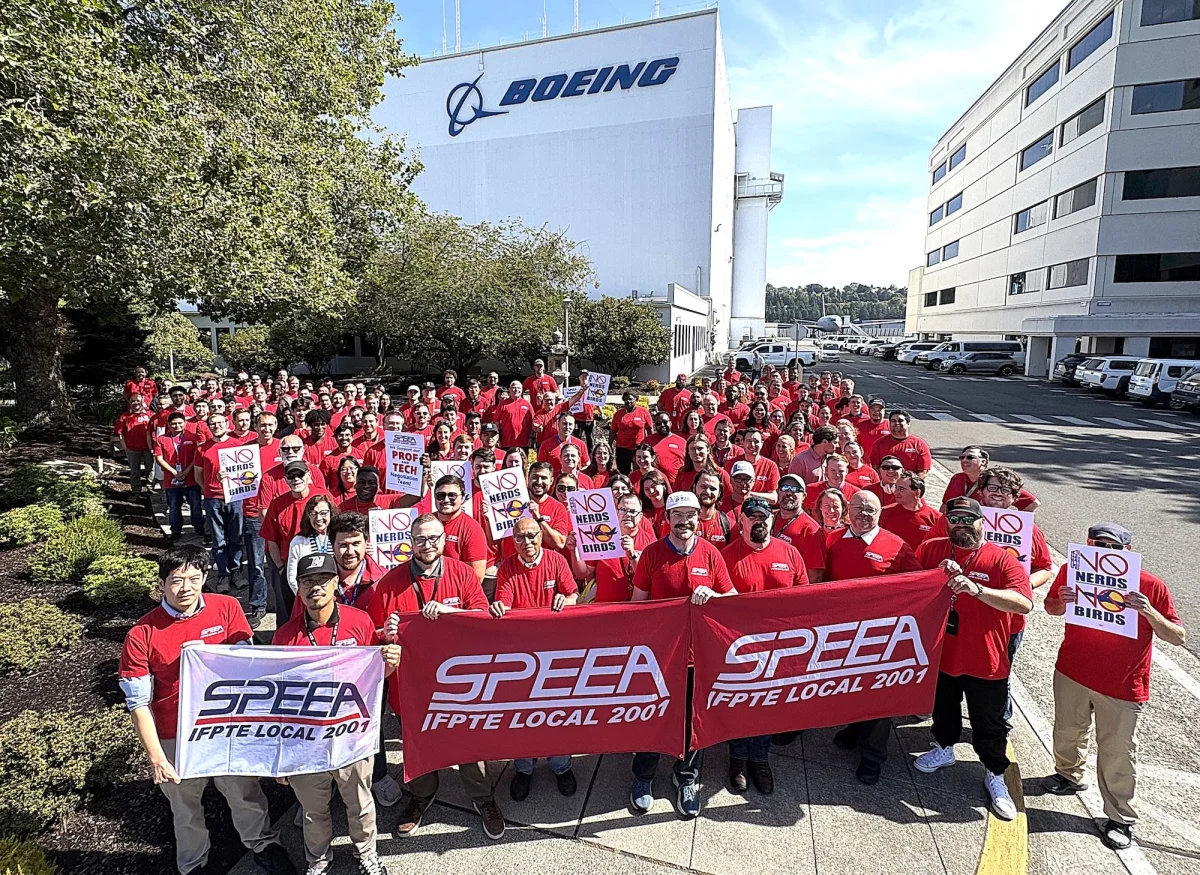
Boeing Tightens Spending Ahead of Critical SPEEA Union Vote
Boeing has implemented spending controls and a hiring freeze as it faces a critical contract ratification vote with its 17,000-member engineering union.

Boeing CEO Kelly Ortberg Warns of 777X Certification Delay
Boeing CEO Kelly Ortberg warned that a potential strike by 17,000 engineers would immediately halt the 777X certification and production programs.
American and United Plan Capacity Cuts Amid Fuel Cost Surge
American and United are trimming flight schedules to offset a $1 billion fuel cost spike while maintaining strong pricing power.

Boeing CEO Reports 737 MAX Output Stabilization Delays
Boeing CEO Kelly Ortberg reports slower 737 MAX production stabilization, prompting a downward revision in 2026 free cash flow expectations to $2 billion.
Boeing Finalizes KAL Order, Salvages Turkish Airlines Deal
Boeing secured a $36.2 billion order from Korean Air Lines for 103 aircraft and nears a resolution on a 150-jet deal with Turkish Airlines.
Airbus Forecasts 42,000 New Jets Amid Strong Global Demand
Airbus expects 42,000 new aircraft deliveries globally by 2045, with 45% of demand concentrated in the Asia-Pacific region.