Adani to Invest ₹1 Lakh Crore in Airports; Mundra Expands

Co-Founder & CEOAviation News Editor delivering trusted coverage across the global aviation industry.
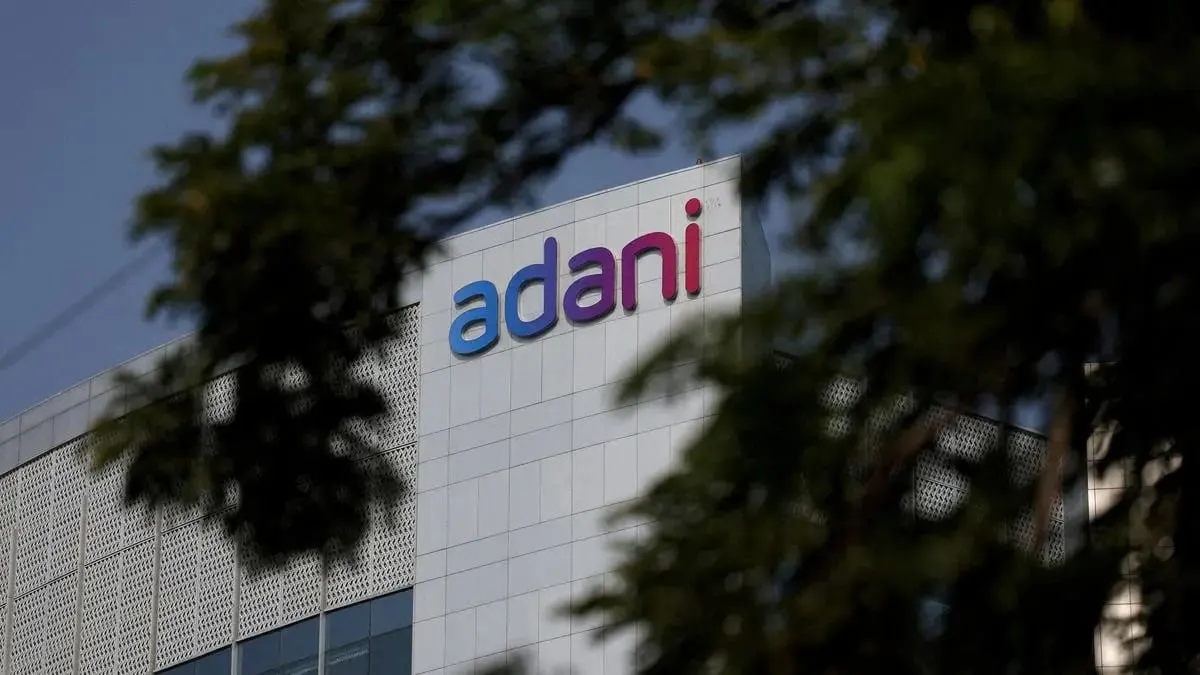
Adani Group plans a ₹1 lakh crore airport investment as Mundra Airport launches commercial Star Air flights under India's UDAN regional scheme.
Key Takeaways
- •Adani Group will invest ₹1 lakh crore in airports over 5 years.
- •Mundra Airport launched commercial flights to Mumbai and Goa via Star Air.
- •Operations at Mundra are subsidized under the Indian government's UDAN scheme.
- •Adani plans to bid on 11 additional state-owned airports for privatization.
Adani Group Targets ₹1 Lakh Crore Investment
Adani Airport Holdings Limited (AAHL) has announced a capital expenditure plan of ₹90,000 crore to ₹1 lakh crore across its airport portfolio over the next five years. This significant financial commitment, confirmed by Director Jeet Adani, underscores the group's intent to solidify its position as a dominant force in India’s aviation infrastructure. The investment strategy is closely linked to the company’s aggressive pursuit of upcoming privatization opportunities, with the firm planning to bid on 11 state-owned airports slated for divestment by the Airports Authority of India (AAI) under the National Monetisation Pipeline.
Mundra Airport Enters Commercial Service
In a parallel development, Mundra Airport has officially transitioned from a private airstrip serving the Mundra Special Economic Zone to a public-use facility. The airport has commenced scheduled commercial operations, with Star Air serving as the inaugural carrier. These flights, connecting Mundra to Mumbai and Goa, are supported by the Ministry of Civil Aviation (India) under the UDAN (Ude Desh ka Aam Naagrik) regional connectivity scheme. The Star Air service utilizes regional jets to bridge the gap between India's industrial hubs and major metropolitan areas.
Infrastructure and Regional Impact
For the Kutch region, the introduction of scheduled air service is a critical development. The industrial sector, centered around Mundra Port, now benefits from direct connectivity to Mumbai and Goa, which is expected to facilitate logistics and corporate travel. Mundra Airport features a 1,900-meter runway capable of supporting regional jet operations. Furthermore, the broader Adani Group portfolio includes the Navi Mumbai International Airport (NMIA), a major greenfield project designed to handle 20 million passengers annually in its first phase. This project serves as a cornerstone of the group's long-term infrastructure strategy.
Embraer E175 vs ERJ-145: Key Specifications
| Metric | Embraer E175 | Embraer ERJ-145 |
|---|---|---|
| Passenger Capacity | 76 seats | 50 seats |
| Seat Configuration | 2-2 (Economy) / 1-2 (Business) | 1-2 (All Economy) |
The Shift Toward Privatization
This expansion follows the precedent set in 2019, when the Adani Group acquired operating rights for six airports, including Ahmedabad and Lucknow. According to aviation policy analysts, this rapid consolidation of airport assets under a single conglomerate has prompted discussions regarding potential monopolistic pricing power. Despite these concerns, the Adani Enterprises portfolio continues to grow, with the firm leveraging the government’s privatization framework to capture a larger share of the nation's aviation economy. Star Air, meanwhile, is expanding its all-Embraer fleet, aiming to reach 25 aircraft within three years to support the growth of these regional routes.
Expected Infrastructure Milestones
The development of the group's aviation assets remains subject to several upcoming regulatory and operational milestones. The launch of international passenger and freighter flights from the Navi Mumbai International Airport is currently expected by July 15, 2026. Following this, the bidding process for the next 11 airports under the National Monetisation Pipeline is anticipated to occur between late 2026 and 2027.
Why This Matters for Regional Connectivity
The activation of Mundra Airport and the associated capital expenditure signal a broader shift in Indian aviation toward the development of tier-2 and tier-3 hubs. By utilizing right-sized regional jets like the Embraer E175, airlines can profitably serve niche industrial markets that were previously underserved. For the aviation industry, this trend reflects a move toward decentralized infrastructure, where private conglomerates invest heavily in secondary airports to stimulate local economic growth and trade.
Frequently Asked Questions
- What is the scale of Adani Group's planned investment in its airport portfolio?
- Adani Group plans to invest between ₹90,000 crore and ₹1 lakh crore across its airport business over the next five years.
- Which airline is operating the new commercial flights from Mundra Airport?
- Star Air is operating the inaugural commercial flights from Mundra Airport to Mumbai and Goa using Embraer regional jets under the UDAN regional connectivity scheme.
Access up-to-date commercial aviation news and airline industry developments via omniflights.com. Track policy changes, airspace rules, and global aviation governance in the Regulatory category at omniflights.com/regulatory.
Written by Hardik Vishwakarma
Co-Founder & Aviation News Editor leading initiatives that improve trust and visibility across the global aviation industry. Covers airlines, airports, safety, and emerging technology.
Visit ProfileYou Might Also Like
Discover more aviation news based on similar topics
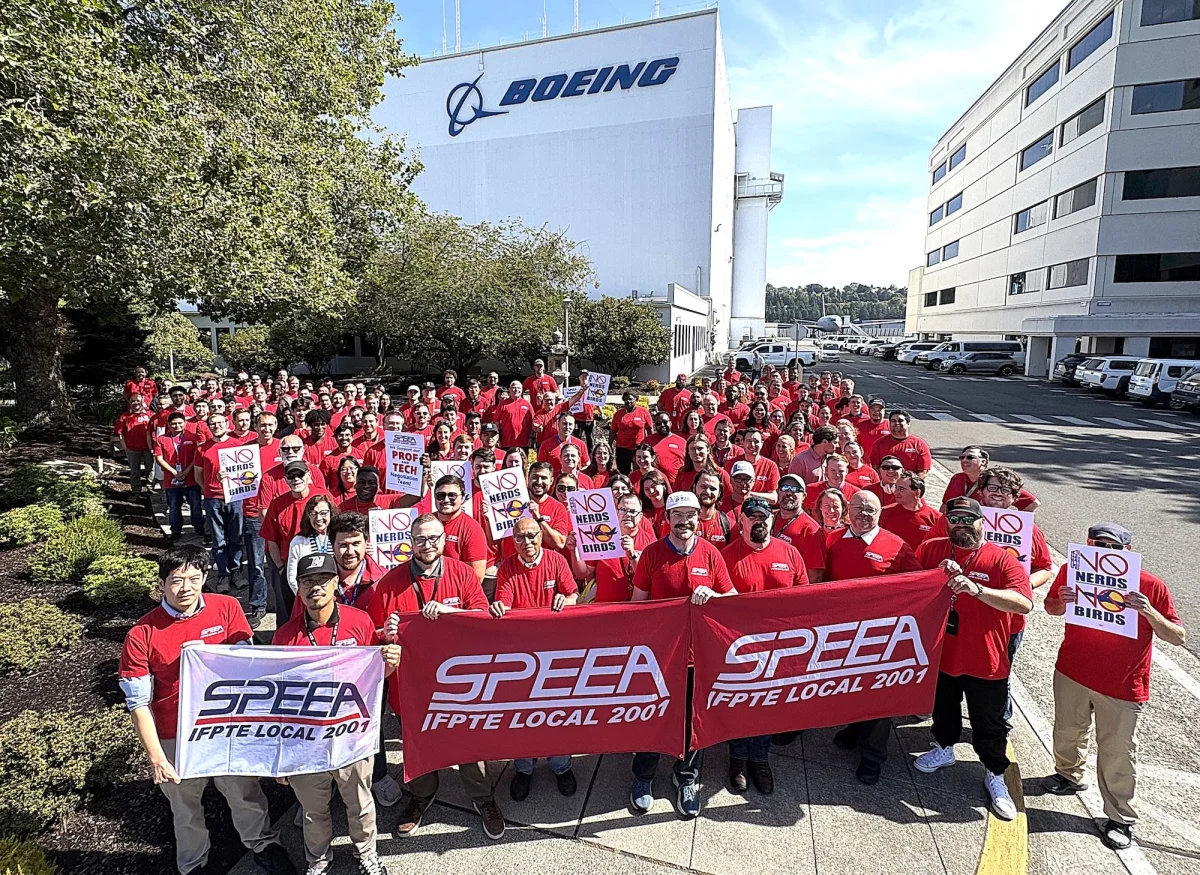
Boeing Tightens Spending Ahead of Critical SPEEA Union Vote
Boeing has implemented spending controls and a hiring freeze as it faces a critical contract ratification vote with its 17,000-member engineering union.

Boeing CEO Kelly Ortberg Warns of 777X Certification Delay
Boeing CEO Kelly Ortberg warned that a potential strike by 17,000 engineers would immediately halt the 777X certification and production programs.
American and United Plan Capacity Cuts Amid Fuel Cost Surge
American and United are trimming flight schedules to offset a $1 billion fuel cost spike while maintaining strong pricing power.
Boeing CEO Reports 737 MAX Output Stabilization Delays
Boeing CEO Kelly Ortberg reports slower 737 MAX production stabilization, prompting a downward revision in 2026 free cash flow expectations to $2 billion.
Boeing Finalizes KAL Order, Salvages Turkish Airlines Deal
Boeing secured a $36.2 billion order from Korean Air Lines for 103 aircraft and nears a resolution on a 150-jet deal with Turkish Airlines.
Airbus Forecasts 42,000 New Jets Amid Strong Global Demand
Airbus expects 42,000 new aircraft deliveries globally by 2045, with 45% of demand concentrated in the Asia-Pacific region.