Adani Invests ₹20,000 Crore in New Airport City Projects

Co-Founder & CEOAviation News Editor delivering trusted coverage across the global aviation industry.
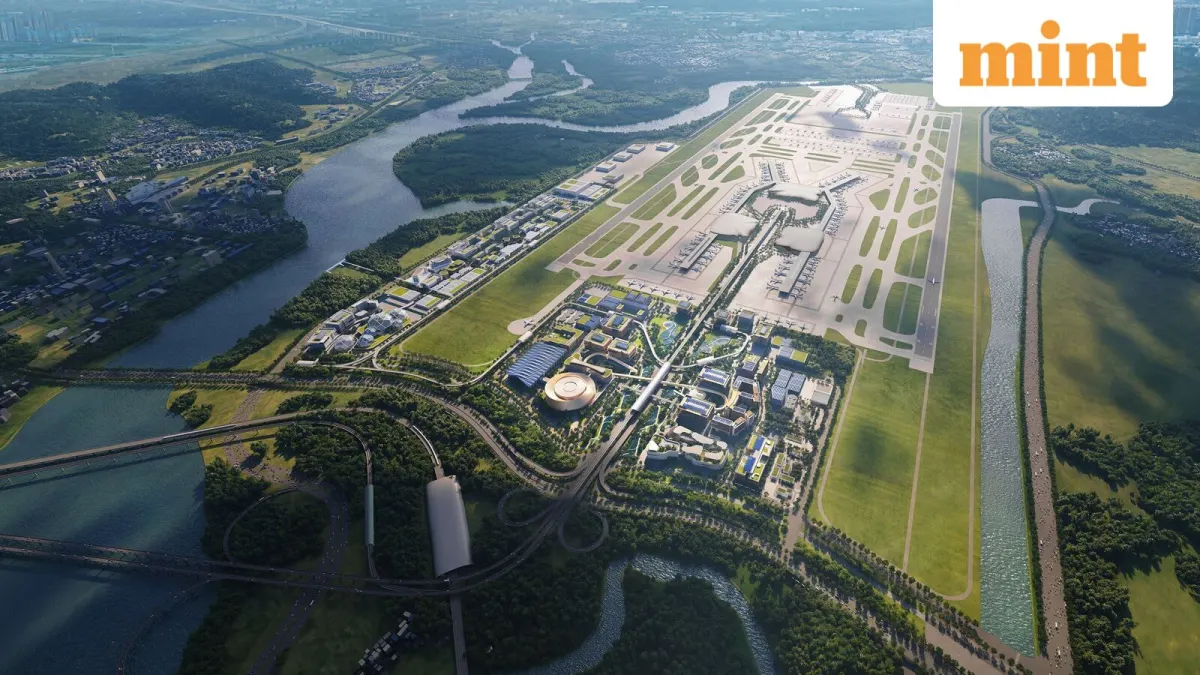
Adani Airport City Limited will develop 22 million square feet of commercial infrastructure across six Indian airports to boost non-aeronautical revenue.
Key Takeaways
- •AACL will invest ₹20,000 crore in integrated airport city developments.
- •Developments span 22 million sq. ft across six Indian airports.
- •70% of investment is concentrated in the Mumbai Metropolitan Region.
- •IHG Hotels & Resorts will manage 1,500 hotel keys in the project.
Adani Launches Integrated Airport City Strategy
Adani Airport City Limited (AACL), a wholly-owned subsidiary of Adani Airport Holdings Limited (AAHL), has unveiled a comprehensive plan to develop integrated airport cities across its national network. The company will invest over ₹20,000 crore in the first phase of this program, aiming to transform airport land into major commercial and hospitality hubs. This initiative focuses on airport commercial infrastructure that mirrors the successful 'aerotropolis' models utilized by global hubs like Singapore Changi and Amsterdam Schiphol.
The Strategic Focus on Mumbai and Navi Mumbai
The development will span 22 million square feet of mixed-use infrastructure across 655 acres of land at six airports, including Ahmedabad, Lucknow, Jaipur, and Guwahati. However, the strategy is heavily anchored in the Mumbai Metropolitan Region (MMR). Nearly 70% of the total investment and 440 acres of the land bank are concentrated in Mumbai and Navi Mumbai. This region is central to the company’s vision, especially as the Navi Mumbai Airport prepares for its first international passenger flights, currently scheduled for July 15, 2026.
Driving Non-Aeronautical Revenue
Adani’s focus on City Side Development (CSD) is designed to capture non-aeronautical revenue, which is essential for offsetting volatile aviation income. Under India's Hybrid Till Tariff Mechanism, regulated by the Airports Economic Regulatory Authority of India (AERA), 30% of non-aeronautical revenues from these developments are used to cross-subsidize aeronautical charges. This model aims to keep landing and parking fees competitive for airlines, potentially driving higher passenger throughput at Adani-operated hubs.
As part of the hospitality expansion, IHG Hotels & Resorts has secured a contract to develop close to 1,500 keys across five hotels within these airport cities. This deal includes the debut of the Kimpton brand in India. These developments follow the precedent set by the GMR Group's Delhi Aerocity, which demonstrated that airport-adjacent land can successfully function as a primary commercial and retail destination.
Environmental and Regulatory Oversight
While the project promises significant economic growth, it also faces scrutiny regarding environmental impact. The Ministry of Environment, Forest and Climate Change has emphasized the need for strict oversight, including mandates for wastewater recycling and tree transplantation to mitigate ecological disruption. Furthermore, the developments are subject to long-term concession agreements with the Airports Authority of India (AAI), which dictate the master plan approvals required for landside commercial use. Jeet Adani, Director at AAHL, noted that these integrated destinations are intended to act as catalysts for long-term urban growth and regional investment.
Frequently Asked Questions
- What is the primary goal of Adani's airport city development program?
- The program aims to develop integrated commercial and hospitality hubs on airport land to generate non-aeronautical revenue, which helps cross-subsidize aeronautical charges for airlines.
- How much land is being developed in the Mumbai Metropolitan Region?
- Adani is concentrating 440 acres of its total 655-acre land bank within the Mumbai and Navi Mumbai region, representing nearly 70% of the total project investment.
For in-depth airline coverage and commercial aviation news, omniflights.com delivers timely industry insights. Track policy changes, airspace rules, and global aviation governance in the Regulatory category at omniflights.com/regulatory.
Written by Hardik Vishwakarma
Co-Founder & Aviation News Editor leading initiatives that improve trust and visibility across the global aviation industry. Covers airlines, airports, safety, and emerging technology.
Visit ProfileYou Might Also Like
Discover more aviation news based on similar topics
Boeing Tightens Spending Ahead of Critical SPEEA Union Vote
Boeing has implemented spending controls and a hiring freeze as it faces a critical contract ratification vote with its 17,000-member engineering union.

Boeing CEO Kelly Ortberg Warns of 777X Certification Delay
Boeing CEO Kelly Ortberg warned that a potential strike by 17,000 engineers would immediately halt the 777X certification and production programs.

American and United Plan Capacity Cuts Amid Fuel Cost Surge
American and United are trimming flight schedules to offset a $1 billion fuel cost spike while maintaining strong pricing power.

Boeing CEO Reports 737 MAX Output Stabilization Delays
Boeing CEO Kelly Ortberg reports slower 737 MAX production stabilization, prompting a downward revision in 2026 free cash flow expectations to $2 billion.
Boeing Finalizes KAL Order, Salvages Turkish Airlines Deal
Boeing secured a $36.2 billion order from Korean Air Lines for 103 aircraft and nears a resolution on a 150-jet deal with Turkish Airlines.
Airbus Forecasts 42,000 New Jets Amid Strong Global Demand
Airbus expects 42,000 new aircraft deliveries globally by 2045, with 45% of demand concentrated in the Asia-Pacific region.