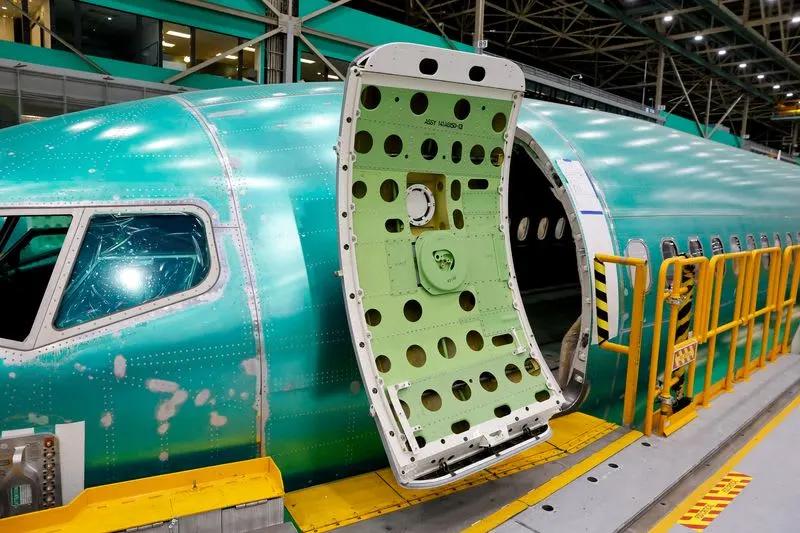
AAI Plans Flight Simulator Units to Meet Pilot Demand

The AAI is establishing flight simulator and pilot training units to address India's projected need for 30,000 new pilots over the next 20 years.
Key Takeaways
- •AAI is establishing FFS and TRTO units to train future pilots.
- •India projects a need for 30,000 new pilots over the next 20 years.
- •Indian airlines currently hold orders for over 1,700 new aircraft.
- •Consultancy bid submissions for the AAI project are due July 10, 2026.
AAI Enters Pilot Training Market
The Airports Authority of India (AAI) is preparing to enter the country’s pilot training ecosystem by initiating a formal process to establish Full Flight Simulator (FFS) and Type Rating Training Organization (TRTO) facilities. This strategic move aims to address the rapidly growing demand for flight crew as Indian carriers expand their operations. The Airports Authority of India pilot training initiative focuses on creating localized infrastructure to support the training requirements of a surging national fleet.
The Scale of India's Pilot Shortage
According to official data from the Press Information Bureau (PIB), India’s aviation sector is projected to require approximately 30,000 new pilots over the next 15 to 20 years. This estimate is driven by the country's aggressive fleet expansion, with domestic airlines currently holding a combined order book of over 1,700 new aircraft. With the current active commercial aircraft fleet standing at just over 800 aircraft, the industry faces a significant scaling challenge. The current pool of active commercial pilots is estimated to be between 6,000 and 7,000, necessitating a massive increase in training capacity to meet the India pilot shortage 30000 projection.
Infrastructure and Regulatory Requirements
A typical commercial aircraft requires 15 to 20 pilots for narrow-body operations and 25 to 30 pilots for long-range wide-body operations. To bridge this gap, the AAI full flight simulator tender seeks a consultant to assist in establishing the necessary infrastructure. Any facility established by the AAI must adhere to rigorous standards set by the Directorate General of Civil Aviation (DGCA). A Type Rating Training Organization (TRTO) must secure specific DGCA certification before it is legally authorized to conduct type-rating training for Indian pilots, a critical step for ensuring regulatory compliance.
Strategic Industry Shifts
This initiative marks a shift toward the localization of pilot training infrastructure. High costs and long wait times at overseas simulator centers have historically hindered the pipeline for a Commercial Pilot License (CPL) holder to transition into active line flying. By investing in domestic TRTO facilities, the AAI aims to support the Indian aviation fleet expansion while enabling domestic airlines to reduce logistical costs associated with international training. This move follows historical precedents, such as the 2007 establishment of the National Flying Training Institute (NFTI) at Gondia, where the AAI successfully partnered to create a major domestic training academy.
Technical Training Dynamics
Domestic airlines, including major carriers like IndiGo and Air India, are expected to benefit significantly from these localized simulator slots. The procurement of advanced simulator equipment also presents a lucrative market for global Flight Simulator manufacturers. The following table outlines the training requirements for different aircraft segments as identified by government projections:
| Metric | Narrow-Body Operations | Wide-Body Operations |
|---|---|---|
| Pilots Required per Aircraft | 15–20 | 25–30 |
| Primary Training Focus | Type Rating/Recurrent | Type Rating/Recurrent |
Bid Timeline and Future Milestones
The AAI has set a firm July 10, 2026 deadline for the bid submission regarding the consultancy tender for these new training units. This date represents a critical milestone in the authority's plan to operationalize its training centers. Following the selection of a consultant, the AAI will proceed with the technical procurement and facility certification phases required to integrate these units into the national aviation training framework.
Why This Matters for Indian Aviation
This development signals a broader transition for airport operators as they diversify revenue streams into capital-intensive support services. For the Indian aviation market, the establishment of these centers is essential to ensure that the rapid influx of new aircraft does not outpace the human capital required to operate them. By localizing training, the AAI is positioning the domestic industry to be more resilient against global training capacity constraints.
Frequently Asked Questions
- Why is the AAI establishing new pilot training facilities?
- The AAI is establishing these facilities to meet the projected demand for 30,000 new pilots in India over the next 15 to 20 years, driven by a massive fleet expansion of over 1,700 ordered aircraft.
- What is the role of the DGCA in this project?
- The Directorate General of Civil Aviation (DGCA) is the regulatory body responsible for certifying the AAI's proposed Type Rating Training Organizations (TRTOs) to ensure they meet mandatory safety and training standards.
Visit omniflights.com for the latest commercial aviation news and airline industry updates. Follow aviation sustainability efforts, emissions research, and green initiatives in the Environmental section at omniflights.com/environmental.

Written by Hardik Vishwakarma
Co-Founder & Aviation News Editor leading initiatives that improve trust and visibility across the global aviation industry. Covers airlines, airports, safety, and emerging technology.
Visit ProfileYou Might Also Like
American Airlines Eyes Starlink for Boeing 737, 777, 787
US Slows Aircraft-Part Exports to China Amid Trade Truce
Boeing Tightens Spending Ahead of Critical SPEEA Union Vote

Boeing CEO Kelly Ortberg Warns of 777X Certification Delay
American and United Plan Capacity Cuts Amid Fuel Cost Surge