A4A CEO: Hundreds of Daily Near-Misses Strain U.S. Airspace

Co-Founder & CEOAviation News Editor delivering trusted coverage across the global aviation industry.
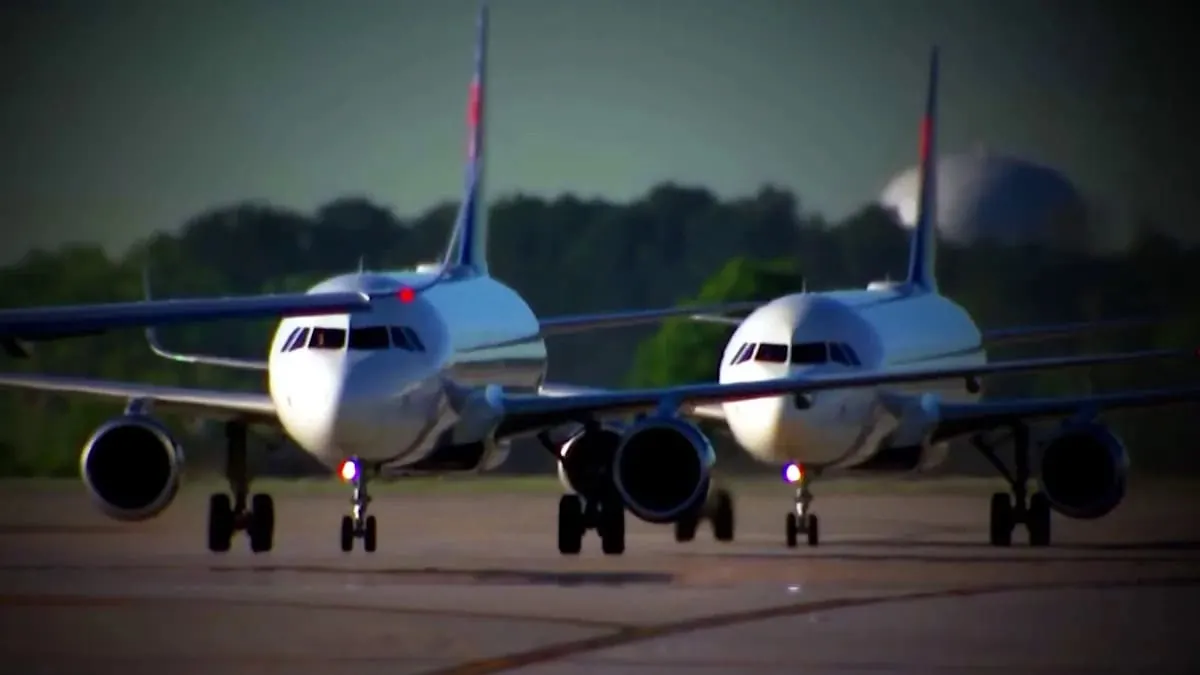
Airlines for America CEO Chris Sununu testified that hundreds of daily near-misses demonstrate systemic stress within the National Airspace System.
Key Takeaways
- •A4A CEO reports hundreds of daily near-misses in U.S. airspace.
- •Senate hearing cites 15,000 close calls near DCA over three years.
- •FAA targets hiring 6,900 new air traffic controllers by 2028.
- •Proposed legislation mandates ADS-B In technology by December 2031.
Testimony Reveals Hidden Scope of Aviation Near-Misses
Airlines for America (A4A), the primary trade association for major U.S. carriers, has issued a stark warning regarding the frequency of safety incidents in the National Airspace System (NAS). During a June 23, 2026, Senate Commerce Subcommittee on Aviation, Space, and Innovation hearing, A4A CEO Chris Sununu testified that publicly reported close calls represent only a fraction of actual occurrences. Sununu asserted that there are "hundreds" of near-miss incidents in U.S. airspace every single day, highlighting a critical need for systemic safety improvements.
Systemic Stress and Regulatory Scrutiny
The hearing, titled "Close Calls: Improving Safety Across the National Airspace System," followed a series of high-profile incidents that have drawn intense congressional scrutiny. Senator Jerry Moran noted that approximately 15,000 close calls occurred over a three-year period in the vicinity of Reagan Washington National Airport (DCA) alone. While these incidents have not resulted in mass casualties in most cases, lawmakers and industry experts agree that the current frequency of runway incursions and mid-air proximity events signals a system under significant pressure.
Addressing Staffing and Infrastructure Gaps
A primary factor in the current safety climate is the ongoing shortage of certified air traffic controllers. The Federal Aviation Administration (FAA) has committed to hiring 6,900 new controllers by 2028; however, the National Air Traffic Controllers Association (NATCA) estimates this effort still leaves a shortfall of 3,800 personnel. To mitigate the resulting controller workload, the FAA recently awarded an $876 million contract to Air Space Intelligence to deploy AI-driven tools, including the Strategic Management of Airspace, Routes, and Trajectories (SMART) system, which is expected to begin initial operations in the fall of 2026.
The Path Toward ADS-B In Mandates
Legislative efforts to bolster safety are centering on the ALERT Act and ROTOR Act, which would mandate that all aircraft in congested U.S. airspace be equipped with Automatic Dependent Surveillance-Broadcast In (ADS-B In) technology by December 31, 2031. This push follows the January 29, 2025, collision between a PSA Airlines CRJ700 and a U.S. Army helicopter near DCA, which resulted in 67 fatalities. While A4A supports the safety objectives of this mandate, the organization has advocated for flexible, software-based solutions to avoid the certification delays associated with rigid hardware requirements. Retrofitting existing fleets with cockpit displays and hardware to comply with the 2031 deadline will require substantial capital expenditure from commercial airlines.
Historical Context and Recent Incidents
Recent events have underscored the urgency of these safety discussions. On June 20, 2026, a Delta Air Lines A319 was forced to abort its landing at Boston Logan International Airport (BOS) to avoid an American Airlines 737-800 departing on an intersecting runway. This incident, occurring just days before the Senate hearing, was cited by lawmakers as a clear indicator of the fragility within the ATC environment. Similarly, the March 22, 2026, ground collision at LaGuardia Airport (LGA) involving an Air Canada CRJ-900 and a firefighting vehicle highlighted the need for improved airport surface detection equipment.
Why This Matters for Aviation Safety
The current debate over near-miss reporting and infrastructure investment signals a pivotal moment for U.S. aviation. For passengers and regulators, the focus is shifting from reactive post-incident analysis to proactive hazard identification using Safety Management Systems (SMS). The ability of the FAA to modernize its controller workforce and successfully integrate collision-avoidance technology will determine the long-term reliability of the NAS. As the industry faces these systemic challenges, the transition toward automated, AI-assisted air traffic management remains the most critical hurdle for maintaining safety standards in an increasingly congested airspace.
Frequently Asked Questions
- What is the primary goal of the proposed ALERT and ROTOR Acts?
- The proposed legislation aims to mandate that all aircraft operating within congested U.S. airspace be equipped with ADS-B In collision avoidance technology by December 31, 2031, to reduce the frequency of mid-air and runway proximity events.
- Why is the FAA hiring 6,900 new air traffic controllers?
- The FAA is hiring to address a significant staffing shortfall that contributes to systemic stress and increased controller workloads. Despite this hiring plan, the National Air Traffic Controllers Association estimates the system will remain 3,800 controllers short of the required staffing levels.
Visit omniflights.com for the latest commercial aviation news and airline industry updates. For detailed airline coverage, route changes, and fleet moves, explore the Airlines section at omniflights.com/airlines.
Written by Hardik Vishwakarma
Co-Founder & Aviation News Editor leading initiatives that improve trust and visibility across the global aviation industry. Covers airlines, airports, safety, and emerging technology.
Visit ProfileYou Might Also Like
Discover more aviation news based on similar topics

Families Demand DCA Midair Collision Safety Reforms
Families of 67 victims from the 2025 DCA midair collision are pressing Congress for mandatory ADS-B In technology to prevent future aviation tragedies.
FAS Challenges AAIB Over Boeing 787 Safety Data
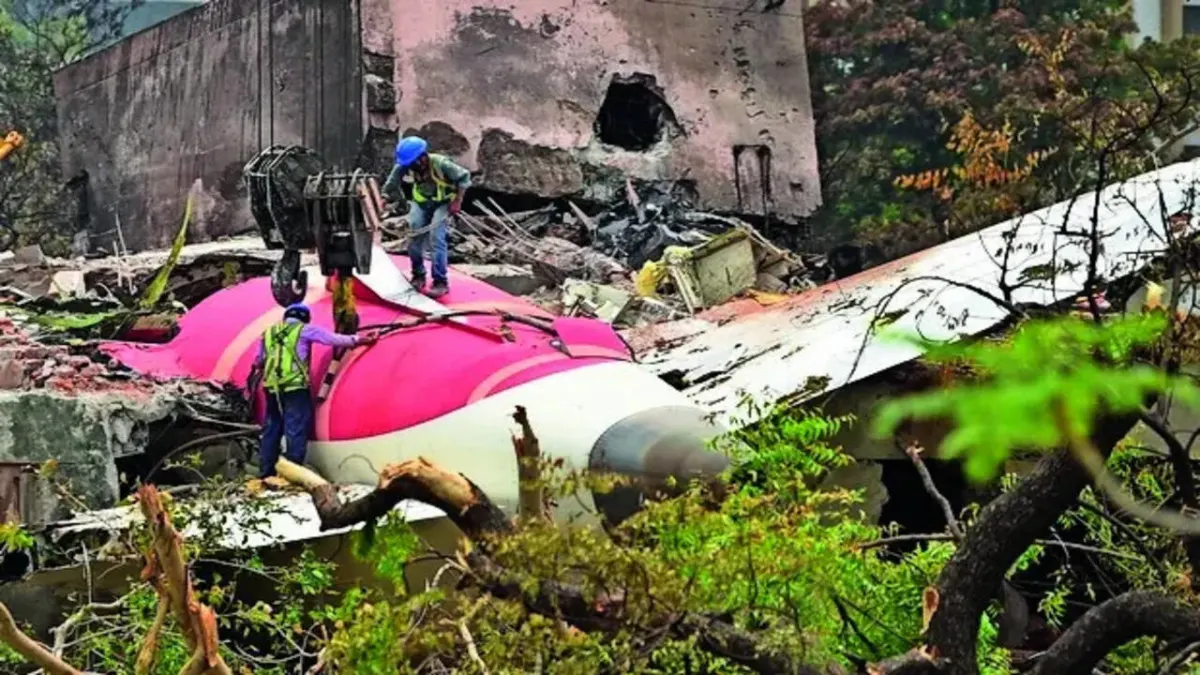
The Foundation for Aviation Safety is urging the AAIB to issue safety warnings for the Boeing 787 fleet following the fatal Air India 171 crash.
NTSB Safety Recommendations Lag Amid 6 Monthly Near-Misses
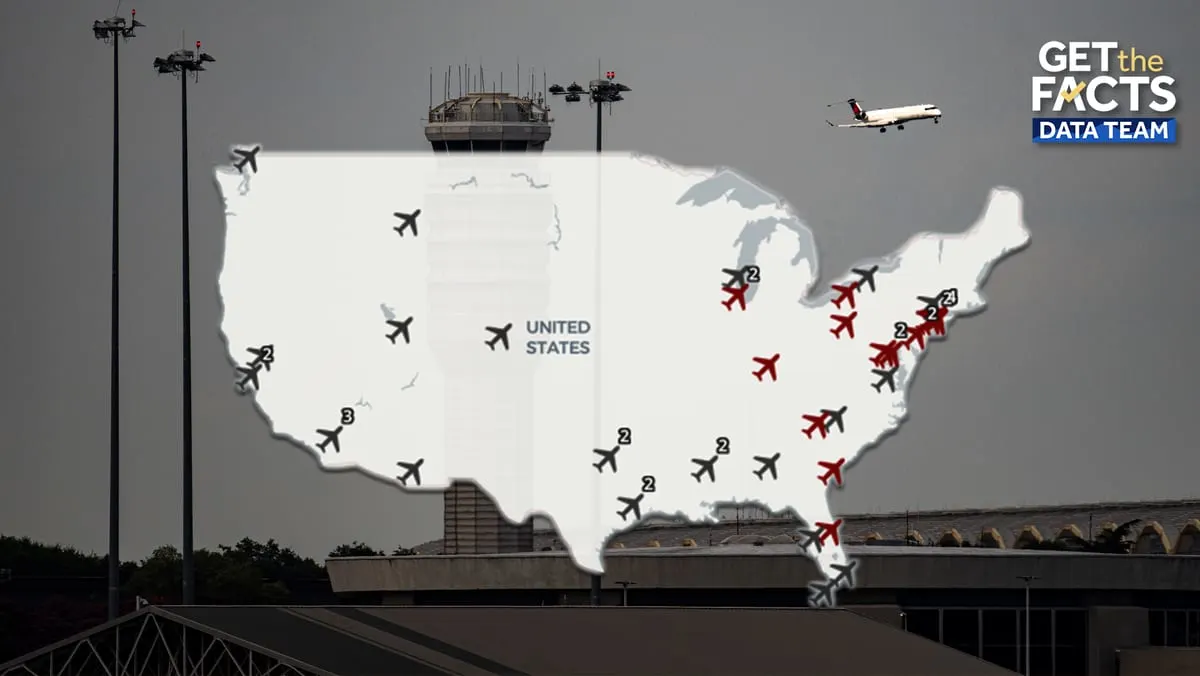
Approximately 6 near-miss incidents occur monthly at U.S. airports as 270 NTSB safety recommendations remain unaddressed by federal regulators.
NTSB Rejects FAA Safety Responses After 67-Fatality Crash
The NTSB labeled 11 FAA responses to 2025 DCA mid-air collision recommendations as unacceptable, citing the lack of a mandatory ADS-B In requirement.
EASA Orders Urgent Airbus A380 Wing Spar Inspections
The EASA ordered urgent inspections on 16 Airbus A380s after discovering wing spar cracks that could compromise structural integrity.
Ryanair Flight RK514 Diverts to Birmingham After Emergency
Ryanair flight RK514 diverted to Birmingham Airport on September 13, 2026, following a medical emergency involving a passenger.