Wilson Airport Runway Revamp Costs Airlines $4.8 Million

Co-Founder & CEOAviation News Editor delivering trusted coverage across the global aviation industry.
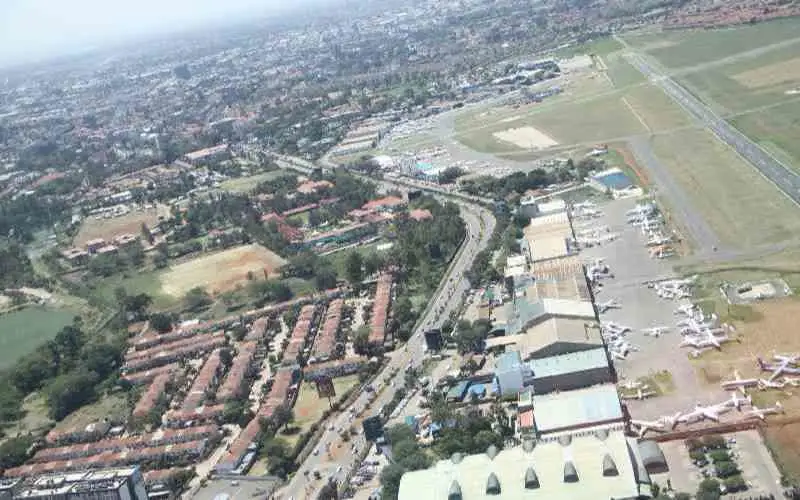
Delayed runway rehabilitation at Wilson Airport has caused $4.8 million in losses for operators, compounding pressure ahead of the peak safari season.
Key Takeaways
- •Wilson Airport operators report $4.8 million in losses due to runway delays.
- •African airline net profit margins are expected to shrink to 0.2% in 2026.
- •KAA runway project will expand width to 30m and length to 1,720m.
- •Aviation fuel remains subject to 16% VAT despite relief for other fuels.
Operational Strain at Wilson Airport
Airlines operating at Wilson Airport (WIL) report that ongoing Wilson Airport runway rehabilitation has resulted in cumulative losses exceeding $4.8 million (Sh620 million). These financial setbacks stem from prolonged construction timelines that have forced carriers to manage complex, split-base operations. As the industry enters the critical July–October peak safari season, stakeholders warn that the current infrastructure constraints threaten to erode earnings and disrupt regional connectivity.
The Logistical Burden of Split Operations
To maintain service levels during the project, many operators have been required to split their activities between Wilson and Jomo Kenyatta International Airport (JKIA). This dual-airport structure has necessitated the duplication of ground staff, administrative oversight, and logistical systems. According to industry briefs, these costs were not anticipated at the project's inception and continue to accumulate as the Kenya Airports Authority (KAA) official portal works to finalize the upgrade.
Operators argue that the environment is increasingly unsustainable, particularly as African airlines navigate razor-thin profit margins. Data from the International Air Transport Association (IATA) pressroom suggests that average profit per passenger for African carriers is forecast to fall to $0.40 in 2026, down from $2.10 in 2025, with net profit margins shrinking to just 0.2%.
Infrastructure Modernization Objectives
While the project faces significant criticism, the Kenya Airports Authority maintains that the rehabilitation is essential to replace deteriorating pavement and an outdated airfield ground lighting system. The project aims to expand the runway width from 23 metres to 30 metres and extend the length from 1,560 metres to 1,720 metres. This expansion is intended to accommodate larger aircraft, though the transition period has left the facility operating with a single runway, causing significant bottlenecks.
Fiscal Challenges and Tax Disparities
Beyond infrastructure delays, the sector is lobbying the National Treasury for tax relief. While the Value Added Tax (Amendment) Act, 2026, reduced taxes on automotive fuels to 8%, Jet A-1 and Aviation Gasoline (Avgas) remain subject to the standard 16% tax rate. Industry stakeholders, citing Kenya Revenue Authority policies, argue that this disparity places an unfair burden on a sector that contributes $1.5 billion to the national economy and supports 130,000 jobs.
Technical Analysis: The Cost of Infrastructure Upgrades
Historically, major runway rehabilitations at constrained city airports have proven logistically taxing. In 2017, the closure of Abuja’s Nnamdi Azikiwe International Airport for a six-week runway reconstruction forced a total shift of traffic to Kaduna, demonstrating the severe economic impact of infrastructure downtime. The current situation at Wilson follows a similar pattern of disruption. The data suggests that for carriers operating on thin margins, the extended timeline for the 1,720-metre runway completion creates a compounding effect, where fixed costs rise while operational efficiency declines. The sector's reliance on the July–October peak season makes the current timeline particularly sensitive, as any further delays could significantly impact international arrivals feeding into Kenya's tourism circuits.
What Comes Next: The 2027 Completion Timeline
The Kenya Airports Authority expects the rehabilitation project to be completed by March 2027. Until that milestone, operators must continue to navigate the logistical challenges of single-runway operations. Stakeholders remain focused on the potential for fiscal intervention from the government to mitigate the impact of high aviation fuel taxes during this construction phase.
Why This Matters for the Tourism Value Chain
For the broader Kenyan economy, the disruptions at Wilson Airport represent a systemic risk to the tourism and hospitality sectors. As a primary hub for safari-bound traffic, the airport’s inability to operate at full capacity threatens to bottleneck the flow of high-value international tourists. If operational constraints persist, the resulting decline in connectivity could ripple through the supply chain, impacting everything from local safari operators to regional hospitality businesses that depend on reliable air transport.
Frequently Asked Questions
- What are the dimensions of the Wilson Airport runway after the planned rehabilitation?
- Upon completion of the rehabilitation project, the runway width will increase from 23 metres to 30 metres, and the length will be extended from 1,560 metres to 1,720 metres.
- Why are Wilson-based airlines currently operating out of two airports?
- Due to the ongoing runway rehabilitation at Wilson Airport, operators have been forced to split their operations and acquire additional space at Jomo Kenyatta International Airport to maintain their flight schedules.
For in-depth airline coverage and commercial aviation news, omniflights.com delivers timely industry insights. From aircraft production to supply chains, commercial aviation manufacturing news is covered at omniflights.com/manufacturing.
Written by Hardik Vishwakarma
Co-Founder & Aviation News Editor leading initiatives that improve trust and visibility across the global aviation industry. Covers airlines, airports, safety, and emerging technology.
Visit ProfileYou Might Also Like
Discover more aviation news based on similar topics
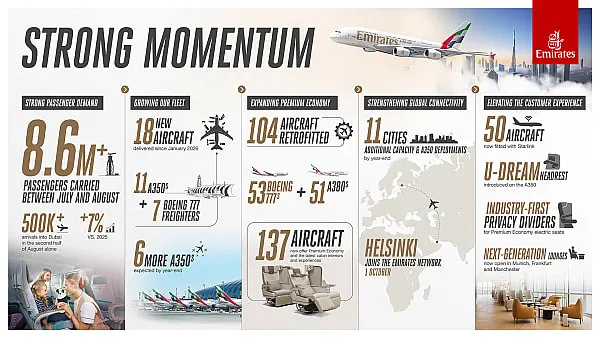
Emirates Winter Booking Momentum Grows Amid Fleet Expansion
Emirates carried 8.6 million passengers this summer and enters winter with strong demand as it accelerates fleet retrofits and network growth.
Air Arabia Consortium Gains AOC for New Dammam Budget Airline
A Saudi GACA-led consortium including Air Arabia has secured an AOC to launch a new budget airline based at Dammam's King Fahd International Airport.
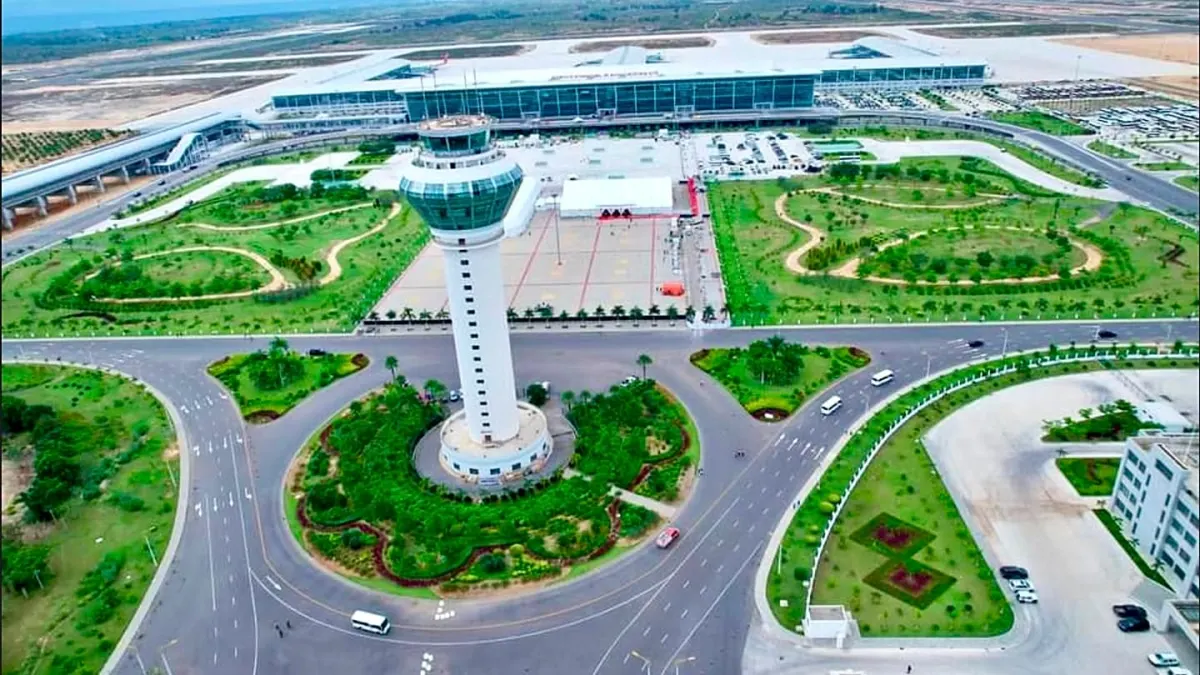
Turkish Airlines Exits Luanda as Angola Hub Struggles
Turkish Airlines dropped its Luanda route as Angola's new airport struggles to attract traffic, handling only 756,028 passengers in 2025.

Red Sea Airlines Leases Two 737 MAX 8s for 2027 Expansion
Red Sea Airlines signed a lease for two Boeing 737 MAX 8 aircraft from SMBC Aviation Capital, arriving in 2027 to support its 14-aircraft fleet goal.

Avelo CEO Warns Airfares May Rise on Jet Fuel Price Spikes
Avelo Airlines CEO Andrew Levy warns that rising fuel costs may force fare increases as global jet fuel prices reach $171.01 per barrel.
IndiGo, Air India Battle for Mumbai-Delhi Route Dominance
IndiGo and the Air India group are competing for dominance on the Mumbai-Delhi air route, which saw 13.9 percent capacity growth this September.