IndiGo, Air India Battle for Mumbai-Delhi Route Dominance

Aviation News Editor & Industry AnalystAviation News Editor & Industry Analyst delivering clear coverage for a worldwide audience.
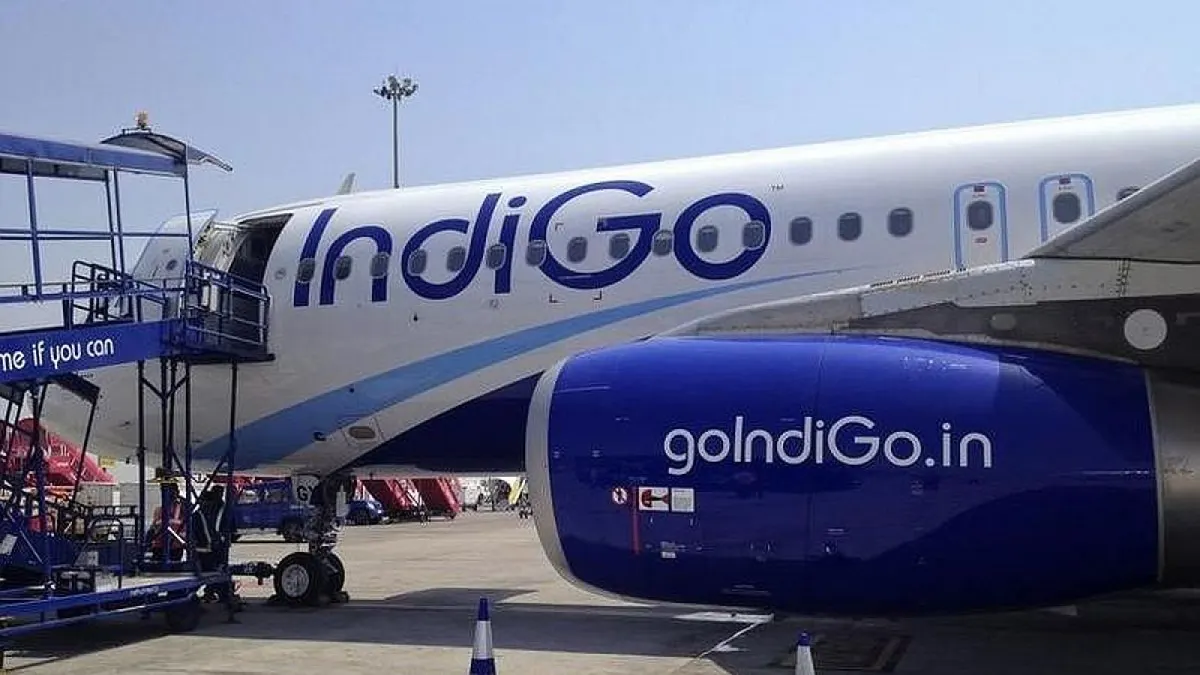
IndiGo and the Air India group are competing for dominance on the Mumbai-Delhi air route, which saw 13.9 percent capacity growth this September.
Key Takeaways
- •Mumbai-Delhi route capacity grew 13.9% year-over-year in September.
- •IndiGo leads with 42.8% seat share, closely followed by Air India.
- •Akasa Air doubled flights, reaching a 10.7% seat share on the route.
- •Akasa Air captured 51.2% seat share on the Mumbai-Noida route.
The Mumbai-Delhi Corridor Battle
The Mumbai-Delhi air route remains the most lucrative and high-traffic corridor in the India domestic aviation market, witnessing an intense capacity battle between the nation's two largest operators. Despite a broader trend of capacity rationalization across the domestic network, the route recorded a 13.9 per cent year-over-year seat capacity growth in September 2026, reaching a total of 677,300 seats, according to OAG (Official Airline Guide) aviation data.
This growth trajectory stands in sharp contrast to other major domestic corridors. For instance, seat capacity on the Bengaluru-Delhi route fell by 1.8 per cent, Mumbai-Chennai declined by 8.5 per cent, and Mumbai-Hyderabad dropped by 9.5 per cent. As airlines consolidate their networks, they are increasingly prioritizing high-density trunk routes to maximize yield.
Market Share Dynamics
Data from Cirium aviation analytics for the April-September 2026 period highlights a tight contest between the Air India group and IndiGo. While the Air India group, which includes Air India Express, operated a higher frequency of flights at 4,768, IndiGo maintained a higher seat count. IndiGo secured a 42.8 per cent market share with 892,190 seats, narrowly edging out the Air India group, which held a 41.9 per cent share with 873,970 seats. The disparity arises from fleet configurations, as full-service carriers typically offer fewer seats per aircraft compared to low-cost carriers.
Akasa Air's Strategic Expansion
Akasa Air has rapidly emerged as a significant disruptor on the Mumbai-Delhi route, effectively ousting SpiceJet from the third-place position. Between April and September, Akasa Air doubled its flight count to 1,176, driving its seat share to 10.7 per cent, up from 6 per cent during the same period in 2025. Conversely, SpiceJet’s seat capacity share on the route has dwindled to 4.4 per cent, reflecting its ongoing struggle to maintain a footprint in India's most competitive market.
Beyond the primary Mumbai-Delhi corridor, Akasa Air is leveraging new infrastructure, specifically the Navi Mumbai and Noida (NCR) airports, to bypass legacy hub congestion. In September, the carrier captured a 51.2 per cent seat share on the Mumbai-Noida route, despite operating only 30 flights. This strategy allows the airline to secure market share on emerging routes where slot constraints at primary hubs like Mumbai (BOM) and Delhi (DEL) limit the expansion of established rivals.
Network Rationalization Trends
Industry analysts suggest that the focus on the Mumbai-Delhi corridor is a calculated response to current economic pressures. Aviation analyst Ameya Joshi of Network Thoughts noted that airline profitability is a sum of the profitable routes operated. Consequently, it remains more efficient for carriers to maintain a dense presence on primary metro routes rather than spreading resources thinly across multiple secondary city pairs. This network rationalization explains why capacity is being diverted from secondary routes to bolster the Mumbai-Delhi corridor.
Historical Context and Future Milestones
This competitive landscape is heavily influenced by the historical consolidation seen following the exits of Kingfisher Airlines in 2012 and Jet Airways in 2019. Those events allowed the current top-tier carriers to capture vacated slots, creating the duopoly-like structure that new entrants like Akasa Air are now challenging. Looking ahead, the industry is tracking the full commercial operationalization of the Navi Mumbai International Airport, expected between 2025 and 2026. This infrastructure project is set to further alter the competitive dynamics of the NCR and Mumbai regions, providing new capacity for airlines to bypass the strict slot allocation guidelines enforced by the DGCA (Directorate General of Civil Aviation).
Why This Matters for Stakeholders
For corporate and business travelers, the intense competition on the Mumbai-Delhi route has not yet yielded significant fare relief, as high demand continues to support premium pricing. However, the expansion of new entrants signals a potential shift in long-term pricing power. For airport operators, the aggressive capacity build-up at secondary hubs like Noida and Navi Mumbai represents a critical opportunity to capture traffic that legacy hubs can no longer accommodate due to slot constraints.
Frequently Asked Questions
- Which airlines currently dominate the Mumbai-Delhi air route?
- IndiGo and the Air India group are the dominant players, with IndiGo holding a 42.8% seat share and the Air India group holding a 41.9% seat share.
- How has Akasa Air's presence changed on the Mumbai-Delhi route?
- Akasa Air has emerged as the third-largest player on the route, doubling its flight count to 1,176 and increasing its seat share to 10.7% from 6% the previous year.
- Why are airlines focusing on the Mumbai-Delhi route despite capacity cuts elsewhere?
- Airlines are prioritizing high-volume, lucrative trunk routes to maximize profitability in a difficult economic environment, while reallocating capacity away from secondary routes.
omniflights.com provides comprehensive commercial aviation news covering airlines, aircraft, and airports. For reporting on UAP sightings, investigations, and aviation-related encounters, see the UAPs section at omniflights.com/uaps.
Written by Ujjwal Sukhwani
Aviation News Editor & Industry Analyst delivering clear coverage for a worldwide audience. Covers flight operations, safety regulations, and market trends with expert analysis.
Visit ProfileYou Might Also Like
Discover more aviation news based on similar topics

Red Sea Airlines Leases Two 737 MAX 8s for 2027 Expansion
Red Sea Airlines signed a lease for two Boeing 737 MAX 8 aircraft from SMBC Aviation Capital, arriving in 2027 to support its 14-aircraft fleet goal.
Avelo CEO Warns Airfares May Rise on Jet Fuel Price Spikes
Avelo Airlines CEO Andrew Levy warns that rising fuel costs may force fare increases as global jet fuel prices reach $171.01 per barrel.

Delta Air Lines Trims 5 Routes, Cuts Las Vegas Capacity
Delta Air Lines will end five domestic routes from New York and Las Vegas this winter as part of a seasonal network capacity adjustment.

FLY91 Orders 40 ATR 72-600s for Regional Fleet Expansion
Indian startup FLY91 has placed a firm order for 40 ATR 72-600 aircraft, valued at $1 billion, to scale its regional fleet to 60 planes by 2032.

SWISS Takes Delivery of Third Airbus A350-900 Named 'Zug'
Swiss International Air Lines has welcomed its third Airbus A350-900, which will feature the new 'SWISS Senses' cabin on select long-haul routes.
TAROM Receives First 737 MAX via CDB Aviation Lease
TAROM has taken delivery of its first Boeing 737-8 MAX, marking a key milestone in the carrier's state-backed €95.3 million restructuring plan.