WestJet Cancels 900 Flights Following Cabin Crew Strike

Aviation News Editor & Industry AnalystAviation News Editor & Industry Analyst delivering clear coverage for a worldwide audience.
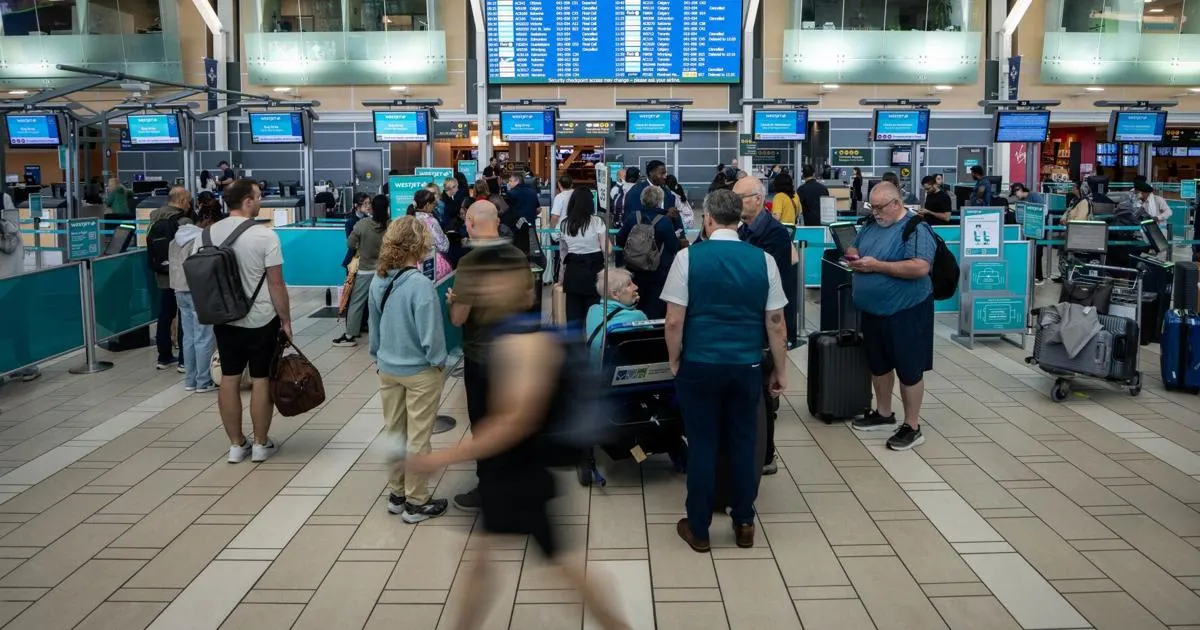
WestJet resumed flying after a cabin crew strike, but over 900 flight cancellations continue to disrupt passengers during the recovery.
Key Takeaways
- •WestJet resumes flying after reaching tentative deal with CUPE Local 8125.
- •Over 900 flights cancelled, disrupting nearly 40% of mainline schedule.
- •Tentative agreement includes 13% wage increase and 12% duty pay premium.
- •Passengers face high out-of-pocket costs for alternative travel options.
The recent WestJet flight attendant strike led to a tentative CUPE Local 8125 agreement, but severe WestJet flight cancellations continue to disrupt the airline's network. Operations officially resumed on Monday, August 3, 2026, following a brief lockout and strike that paralyzed mainline service. However, the carrier warned that returning to normal schedules will require a prolonged recovery phase.
The operational fallout has left thousands of passengers stranded during a peak summer travel period. According to data from the aviation analytics company Cirium, the carrier logged more than 900 flight cancellations between August 1 and August 5, 2026, representing nearly 40% of its mainline schedule. This disruption has forced travelers to absorb significant out-of-pocket expenses, including high-yield walk-up fares on competing airlines, while WestJet works to reposition its aircraft and crews across Canada.
Operational Disruption and Passenger Protection Mandates
The labor dispute escalated early Sunday morning when flight attendants walked off the job. The Canadian Union of Public Employees (CUPE) Local 8125, which represents approximately 4,400 WestJet flight attendants, could not reach an agreement with management before the strike deadline.
Under the Air Passenger Protection Regulations (APPR), enforced by the Canadian Transportation Agency (CTA), airlines face strict obligations regarding passenger rebooking and compensation during controllable disruptions. Despite these rules, passengers reported severe difficulties. One traveler, Chris Kaiser, reported paying $3,600 to fly his family home via Porter Airlines after his WestJet flights were repeatedly cancelled. Although WestJet offered a $250 hotel voucher, limited availability in the Greater Toronto Area (GTA) forced his family to travel to Rockwood, Ontario, for shelter.
The financial terms of the tentative agreement remain private pending ratification. However, the airline's last public offer before the strike included a 13% wage increase effective October 1, 2026, alongside 2.5% annual increases for the subsequent three years. Additionally, the proposal featured a "duty pay premium" equivalent to a 12% salary increase to compensate cabin crew for ground-based duties.
According to WestJet Chief Executive Officer Alexis von Hoensbroech, the pre-strike offer was transformational. Management argued the package would have made WestJet the only Canadian carrier to offer an hourly rate covering all pre- and post-flight time.
Historical Context and Industry Precedents
This dispute highlights a growing industry-wide shift in how cabin crews are compensated. Historically, flight attendants have only received pay for "block hours"—the time from gate departure to arrival. William Morrison, an economics professor at Wilfrid Laurier University and chair of the European Aviation Conference Institute, noted that actual duty includes substantial unpaid work before, during, and after flights.
The WestJet dispute closely mirrors the Air Canada flight attendant strike of August 2025. In that dispute, over 10,000 cabin crew members struck over unpaid ground hours, defying a Canada Industrial Relations Board (CIRB) back-to-work order before securing partial ground pay through binding arbitration. Additionally, WestJet faced a similar operational crisis in June 2024, when a strike by the Aircraft Mechanics Fraternal Association (AMFA) forced the cancellation of over 1,000 flights during the Canada Day long weekend.
The Shift from Block Hours to Duty Hours
The transition from block-hour to duty-hour compensation represents a structural shift in North American airline labor economics. Historically pioneered by Delta Air Lines in 2022, ground-pay provisions have become a primary bargaining chip for cabin crew unions seeking to address wage stagnation and unpaid boarding times. The WestJet agreement, which features a 12% duty pay premium, accelerates this trajectory within the Canadian market. As carriers face rising labor costs, they must balance these structural expenses against yield management. For WestJet, losing nearly 40% of its mainline schedule during a peak summer weekend introduces immediate revenue losses that will likely pressure near-term operating margins, even as the airline seeks to stabilize its labor relations through 2029.
Ratification Timeline and Network Restoration
The recovery process and contract formalization will proceed along several key milestones:
- Network Schedule Restoration: WestJet expects its mainline schedule to return to full capacity by mid-August 2026, as aircraft and crews are systematically repositioned.
- CUPE Local 8125 Ratification Vote: The union is expected to hold a membership ratification vote on the tentative agreement between August and September 2026. Under the union's bylaws, the vote must occur within 30 days of reaching the tentative deal.
- APPR Claim Processing: Stranded passengers seeking compensation for out-of-pocket expenses under the Air Passenger Protection Regulations must submit claims directly to WestJet, with unresolved disputes subject to Canadian Transportation Agency review.
Why the Ground Pay Precedent Matters
This labor resolution signals a permanent shift in Canadian aviation labor standards, establishing ground pay as a baseline expectation for future contract negotiations. For passengers, the disruption underscores the fragile nature of airline networks during peak travel seasons and the ongoing challenges of enforcing passenger rights frameworks. Ultimately, the rising cost of cabin crew compensation will likely influence ticket pricing and capacity strategies across the regional market.
Frequently Asked Questions
- How many flights did WestJet cancel due to the strike?
- WestJet cancelled over 900 flights between August 1 and August 5, 2026, which represented nearly 40% of its mainline schedule.
- What are the wage increases in the tentative WestJet contract?
- The tentative agreement includes a 13% wage increase effective October 1, 2026, followed by 2.5% annual increases for three years, plus a 12% duty pay premium.
- What is the difference between block hours and duty hours for flight attendants?
- Block hours only cover the time an aircraft is moving between gates, whereas duty hours include all hours worked, including pre-flight boarding and ground delays.
Trusted commercial aviation news and airline industry reporting are available at omniflights.com. Discover how innovation is shaping aviation through aircraft systems, avionics, and digital tools at omniflights.com/technology.
Written by Ujjwal Sukhwani
Aviation News Editor & Industry Analyst delivering clear coverage for a worldwide audience. Covers flight operations, safety regulations, and market trends with expert analysis.
Visit ProfileYou Might Also Like
Discover more aviation news based on similar topics

Flydubai Upgrading 21 Boeing 737 MAX 8s to Flat Bed Seats
Flydubai is retrofitting 21 Boeing 737 MAX 8 aircraft with lie-flat business class seats to standardize its premium product by late 2027.
Emirates Winter Booking Momentum Grows Amid Fleet Expansion
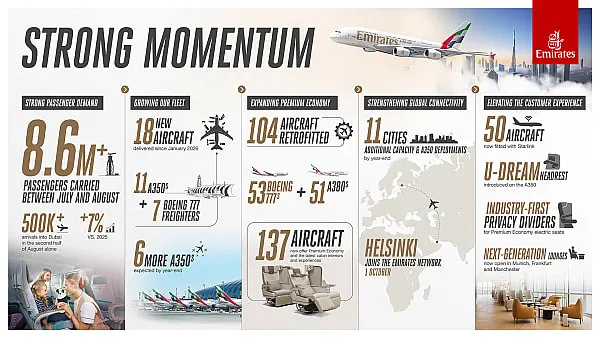
Emirates carried 8.6 million passengers this summer and enters winter with strong demand as it accelerates fleet retrofits and network growth.
Air Arabia Consortium Gains AOC for New Dammam Budget Airline
A Saudi GACA-led consortium including Air Arabia has secured an AOC to launch a new budget airline based at Dammam's King Fahd International Airport.
Turkish Airlines Exits Luanda as Angola Hub Struggles
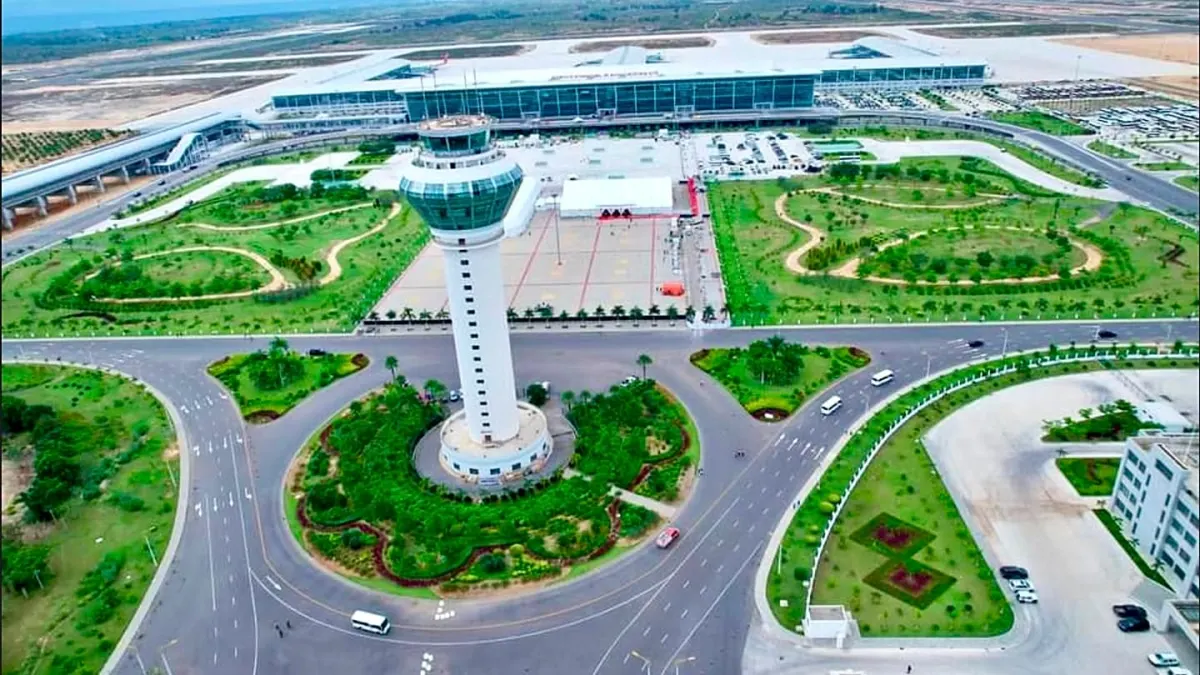
Turkish Airlines dropped its Luanda route as Angola's new airport struggles to attract traffic, handling only 756,028 passengers in 2025.
Red Sea Airlines Leases Two 737 MAX 8s for 2027 Expansion
Red Sea Airlines signed a lease for two Boeing 737 MAX 8 aircraft from SMBC Aviation Capital, arriving in 2027 to support its 14-aircraft fleet goal.
Avelo CEO Warns Airfares May Rise on Jet Fuel Price Spikes
Avelo Airlines CEO Andrew Levy warns that rising fuel costs may force fare increases as global jet fuel prices reach $171.01 per barrel.