WestJet Adds $60 Fuel Surcharge to Companion Vouchers Amid Rising Costs

Co-Founder & CEOAviation News Editor delivering trusted coverage across the global aviation industry.
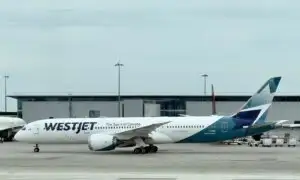
WestJet will add a $60 fuel surcharge to companion voucher bookings starting April 8, 2026, to manage the recent surge in global jet fuel prices.
Key Takeaways
- •Adds a $60 temporary fuel surcharge to companion voucher bookings effective April 8, 2026.
- •Reduces flight capacity by approximately 1% in April and 3% in May to offset rising fuel costs.
- •Follows a broader industry trend of adding surcharges to loyalty and award redemptions.
- •Classifies the fee as an 'Other ATC' (Air Transportation Charge) under Canadian regulations.
In response to escalating energy costs, WestJet has announced it will implement a $60 temporary fuel surcharge on all new bookings made with its popular companion vouchers. The new fee, which takes effect on April 8, 2026, is a direct measure to offset the financial impact of rising jet fuel prices on the airline's operational budget.
The surcharge affects holders of the WestJet RBC World Elite Mastercard, for whom the annual companion voucher is a primary benefit. This fee will be applied in addition to the standard co-pay, which is currently $119 for flights within North America and $399 for other destinations. According to the airline, the fixed-price nature of these vouchers prevents it from adjusting prices to absorb cost volatility, unlike standard airfares which can be dynamically priced. The fee is listed as an “Other ATC” charge, a classification governed by the Canadian Transportation Agency.
Operational Adjustments and Regulatory Context
Beyond the surcharge, WestJet is also making tactical adjustments to its flight schedule to manage fuel expenditures. The airline confirmed a capacity reduction of approximately 1% in April 2026, equating to 406 fewer flights, and a more significant cut of about 3% in May 2026, removing around 1,000 flights from its network. These reductions are intended to consolidate operations on lower-demand routes and align service levels with current cost realities.
The classification of the new fee falls under regulations set by the Canadian Transportation Agency (CTA). According to the CTA's Air Services Price Advertising Interpretation Note, Air Transportation Charges (ATC) must be explicitly defined and cannot be misrepresented as government-imposed taxes. This regulatory framework dictates how WestJet must legally display the surcharge to consumers during the booking process, ensuring transparency. The full terms are outlined in the official WestJet Rewards Terms and Conditions.
Broader Industry Trend
WestJet's decision is not an isolated event but rather reflects a broader industry trend where airlines are passing on rising fuel costs to customers, particularly within loyalty and rewards programs. In March 2026, Porter Airlines introduced a $40 fuel surcharge on all VIPorter flight redemptions. Similarly, Air France-KLM increased fuel surcharges on its Flying Blue award tickets by $50 to $150 per direction during the same period. Even tour operators are affected, with Air Canada Vacations adding a $50 per-passenger surcharge starting April 6, 2026.
This pattern suggests a strategic shift by carriers to protect their margins on fixed-value redemptions, which become a financial liability during periods of high and volatile fuel prices. For consumers, this trend erodes the perceived value of loyalty perks. As noted by consumer advocates, the surcharge devalues a core benefit of the WestJet credit card, which is often marketed as a fixed-fee product insulated from dynamic pricing.
Technical Analysis
This development indicates a strategic pivot in how airlines manage liabilities within their loyalty ecosystems. Companion vouchers and award seats, once treated as sunk costs related to marketing and customer retention, are now being repriced to reflect real-time operational expenditures. The implementation of a fuel surcharge on a fixed-fee benefit effectively introduces a variable component, hedging the airline against cost inflation. This move, coupled with tactical capacity reductions, demonstrates a dual approach to cost management: reducing overall fuel burn through fewer flights while increasing revenue per passenger on specialized fare types. Historically, such surcharges have been framed as temporary, but their removal is contingent on sustained price stabilization, which remains uncertain. This action accelerates a trend seen with Porter and Air France-KLM, solidifying the industry's willingness to pass direct fuel costs onto loyalty program members.
What Comes Next
The $60 surcharge on WestJet companion vouchers is confirmed to begin on April 8, 2026. WestJet has characterized the fee as a temporary measure directly linked to the current spike in global fuel prices. The airline is expected to reassess the surcharge periodically, though a specific timeline for its potential removal has not been announced and will likely depend on the stabilization or reduction of jet fuel costs.
Why This Matters
This development signals a significant shift in how airline loyalty programs are managed during periods of high cost inflation. For passengers and credit card holders, it reduces the predictability and value of travel rewards, requiring them to factor in new variable costs. For the industry, it establishes a precedent for monetizing aspects of loyalty programs that were previously insulated from direct operational cost pass-throughs, potentially altering the long-term value proposition of co-branded travel credit cards.
Access up-to-date commercial aviation news and airline industry developments via omniflights.com. Discover how innovation is shaping aviation through aircraft systems, avionics, and digital tools at omniflights.com/technology.

Written by Hardik Vishwakarma
Co-Founder & Aviation News Editor leading initiatives that improve trust and visibility across the global aviation industry. Covers airlines, airports, safety, and emerging technology.
Visit ProfileYou Might Also Like
Discover more aviation news based on similar topics
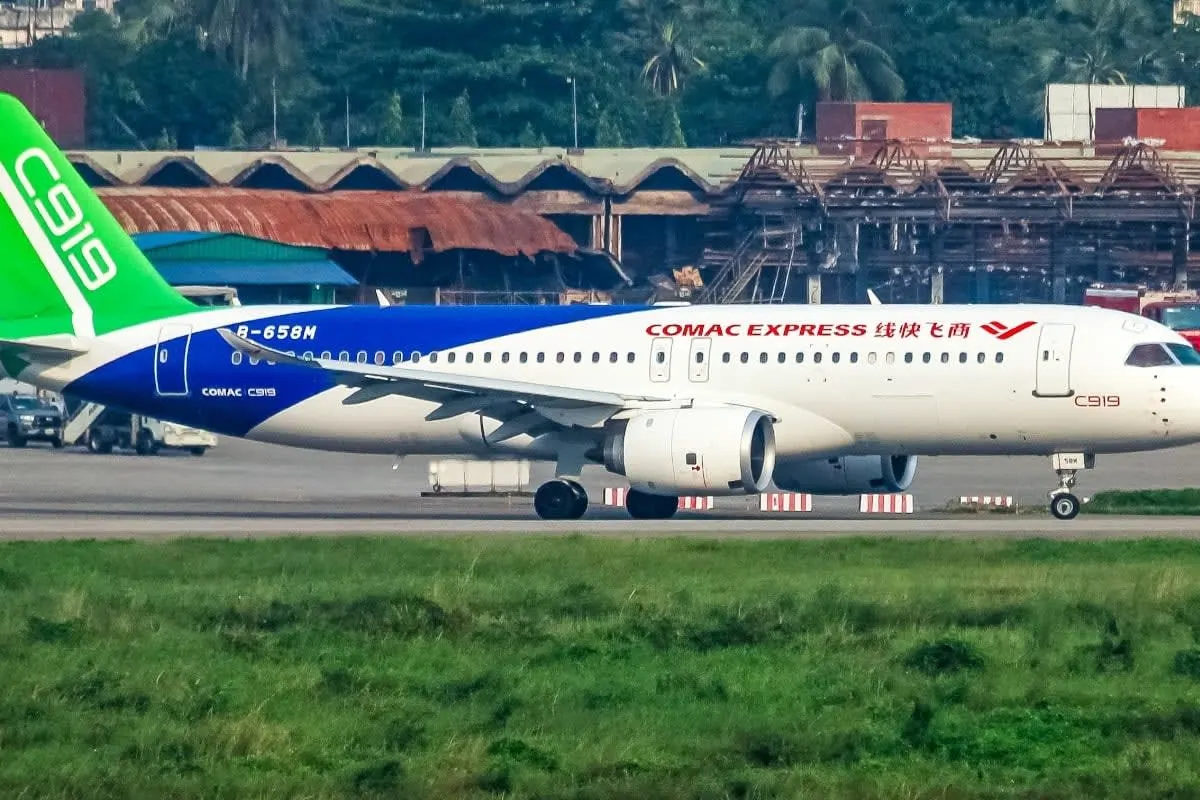
US Slows Aircraft-Part Exports to China Amid Trade Truce
The US is slowing export licenses for aircraft parts to China, using aviation dependencies as leverage in ongoing trade negotiations.
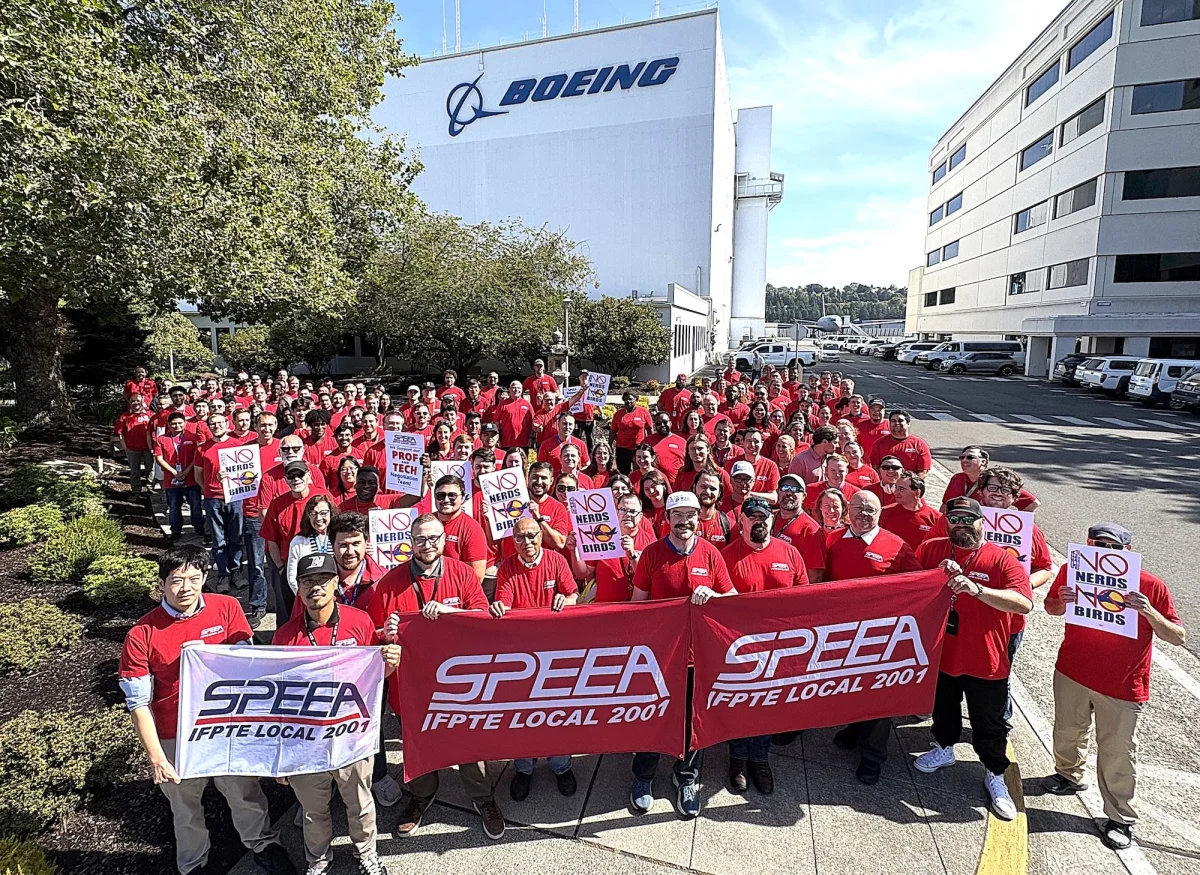
Boeing Tightens Spending Ahead of Critical SPEEA Union Vote
Boeing has implemented spending controls and a hiring freeze as it faces a critical contract ratification vote with its 17,000-member engineering union.
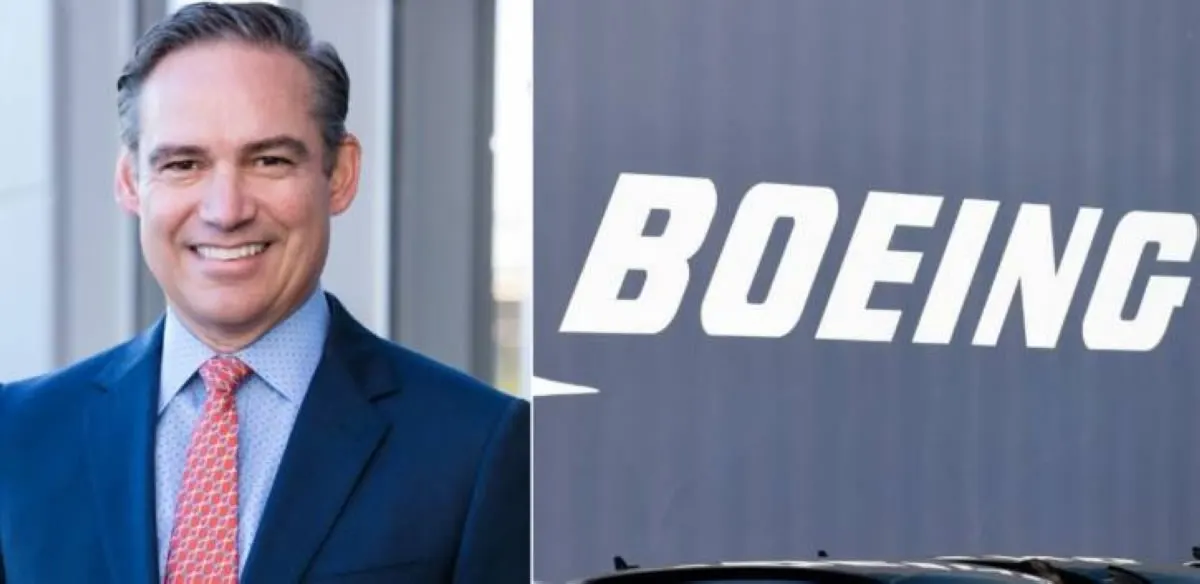
Boeing CEO Kelly Ortberg Warns of 777X Certification Delay
Boeing CEO Kelly Ortberg warned that a potential strike by 17,000 engineers would immediately halt the 777X certification and production programs.
American and United Plan Capacity Cuts Amid Fuel Cost Surge
American and United are trimming flight schedules to offset a $1 billion fuel cost spike while maintaining strong pricing power.
Boeing CEO Reports 737 MAX Output Stabilization Delays
Boeing CEO Kelly Ortberg reports slower 737 MAX production stabilization, prompting a downward revision in 2026 free cash flow expectations to $2 billion.
Boeing Finalizes KAL Order, Salvages Turkish Airlines Deal
Boeing secured a $36.2 billion order from Korean Air Lines for 103 aircraft and nears a resolution on a 150-jet deal with Turkish Airlines.