VietJet Ordered to Pay $181.8 Million in A321neo Dispute

Aviation News Editor & Industry AnalystAviation News Editor & Industry Analyst delivering clear coverage for a worldwide audience.
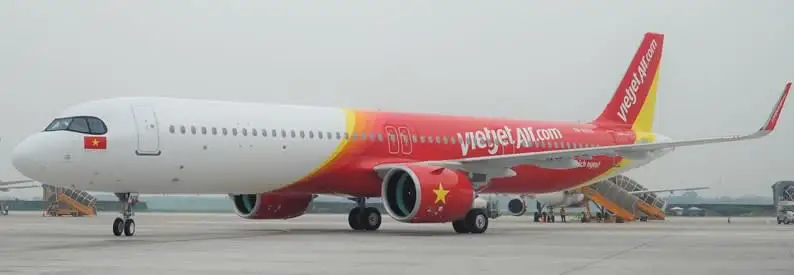
The UK High Court ordered VietJet to pay $181.8 million in damages over defaulted leases for four Airbus A321 family aircraft.
Key Takeaways
- •UK High Court orders VietJet to pay $181.8 million over defaulted leases.
- •Dispute involved four Airbus A321 family aircraft repossessed by lessors.
- •VietJet defended the claims as an unfair double penalty under English law.
- •Ruling reinforces lessor rights to enforce early termination damages.
The UK Commercial Court has ordered Vietnam's VietJet Air to pay $181.8 million in termination sums and liquidated damages following a major aircraft leasing dispute. The litigation, brought by FW Aviation FitzWalter, centered on defaulted lease agreements and unpaid maintenance reserves for four Airbus narrowbody aircraft, including the Airbus A321 New Engine Option (A321neo) lease agreements. This high-stakes VietJet Air lawsuit highlights the growing legal pressure on airlines facing unresolved pandemic-era financial obligations.
The legal battle underscores the complex financial arrangements underpinning modern commercial fleets. The dispute involved the repossession and lease termination of four Airbus A321 family aircraft, consisting of two A321neos and two A321ceos. Originally structured under a Japanese Operating Lease with Call Option (JOLCO), the default triggered a series of legal actions that ultimately led to the repossession of the aircraft. For the broader aviation market, the judgment establishes a critical precedent regarding how English courts interpret exclusive remedy clauses and penalty provisions in complex financing structures.
According to UK High Court judgments [2024] EWHC 1945 (Comm) and [2026] EWHC 1996 (Comm), the dispute arose when VietJet defaulted on its leasing obligations during the COVID-19 pandemic. The security trustees, acting on behalf of FW Aviation, initiated aviation litigation to recover outstanding debts and repossess the assets. While initial claims focused on a subset of approximately $18 million in unpaid leasing and maintenance reserve obligations, the total court-ordered liability escalated to $181.8 million once termination sums and liquidated damages were calculated.
The airline strongly contested the calculations during the proceedings. In its legal defense, VietJet argued that forcing the carrier to both return the aircraft and pay full termination sums amounted to an unfair "double penalty." The airline's legal team maintained that overlapping remedies should be restricted under English law. However, the UK Commercial Court rejected these arguments, validating the enforcement of early termination sums and cumulative indemnities.
Responding to the litigation, a VietJet spokesperson characterized the legal battle as an isolated incident. "The airline has consistently fulfilled its financial obligations to the dozens of banks and aircraft lessors that have supported its fleet of hundreds of aircraft," the spokesperson stated. "The dispute involving the four aircraft is the only one."
The court's decision carries significant weight for various industry stakeholders. For aircraft lessors and distressed-debt funds, the ruling strengthens the legal framework for enforcing lease return conditions and indemnity provisions. Conversely, VietJet faces a substantial financial liability exceeding $180 million, alongside associated legal costs and potential operational constraints.
The litigation reflects a broader post-pandemic trend of aggressive legal enforcement by aircraft lessors. Between 2021 and 2024, similar aircraft repossession disputes occurred involving Indian carrier SpiceJet. In those cases, multiple lessors pursued the airline in both UK and Indian courts over unpaid leases, which eventually led to court-ordered groundings and structured financial settlements.
The VietJet ruling contrasts with some historical restructurings where lessors chose to write down debts or extend payment terms to keep aircraft flying. In this instance, the transition of the debt to distressed-debt specialists accelerated the push for formal repossession and full financial recovery through the judicial system.
The Mechanics of JOLCO Default and English Law Precedent
This development indicates a hardening of the legal environment for airlines operating under complex lease agreements. The JOLCO structure is highly favored in aviation finance for its tax efficiencies and purchase options, but it relies on strict compliance with payment schedules. When a default occurs, the legal separation between the security trustees and the underlying investors can complicate restructuring efforts.
The UK Commercial Court's decision to uphold the full liquidated damages clause suggests that English law will continue to favor contractual certainty over claims of commercial hardship. Historically, similar macroeconomic shocks have led to negotiated lease restructurings. However, the involvement of distressed-debt funds like FitzWalter Capital signals a shift toward aggressive litigation as a primary recovery strategy. This pattern suggests that airlines can no longer rely on lessor leniency during systemic downturns, especially when assets can be repossessed and redeployed into a high-demand secondary market.
Enforcement Timelines and Financial Disclosures
Following the issuance of the UK High Court judgments, the legal focus shifts to the enforcement of the $181.8 million award. VietJet must address this substantial liability in its upcoming financial disclosures, which could impact its credit ratings and future fleet financing costs. While the airline continues to operate its remaining fleet of over 100 aircraft, the global enforcement of English court judgments means that its international assets could face scrutiny if payment terms are not mutually resolved. Observers expect the airline to either negotiate a structured payment plan with FW Aviation or pursue further appeals, though the legal threshold for reversing a Commercial Court judgment remains exceptionally high.
Why Lessor Legal Protections Matter
This ruling is highly significant for the global aircraft leasing market because it reinforces the enforceability of English law contracts under stress. For international lessors holding billions of dollars in mobile assets, the court's refusal to classify termination sums as unenforceable penalties provides critical security. Ultimately, the decision reassures financiers that their capital remains protected even when operating in volatile emerging markets.
Frequently Asked Questions
- Why was VietJet ordered to pay $181.8 million by the UK Commercial Court?
- VietJet was ordered to pay the sum following a default on lease agreements for four Airbus A321 family aircraft, which led to repossession and claims for liquidated damages and unpaid maintenance reserves.
- What financing structure was used for the disputed VietJet aircraft?
- The four Airbus A321 aircraft involved in the litigation were financed using a Japanese Operating Lease with Call Option (JOLCO) structure.
- How did VietJet defend itself in the aircraft leasing dispute?
- VietJet argued that being forced to return the aircraft while also paying full termination sums constituted an unfair 'double penalty' under English law, though the court ultimately rejected this defense.
Visit omniflights.com for the latest commercial aviation news and airline industry updates. Stay informed on aviation incidents, investigations, and best practices in the Safety category at omniflights.com/safety.
Written by Ujjwal Sukhwani
Aviation News Editor & Industry Analyst delivering clear coverage for a worldwide audience. Covers flight operations, safety regulations, and market trends with expert analysis.
Visit ProfileYou Might Also Like
Discover more aviation news based on similar topics
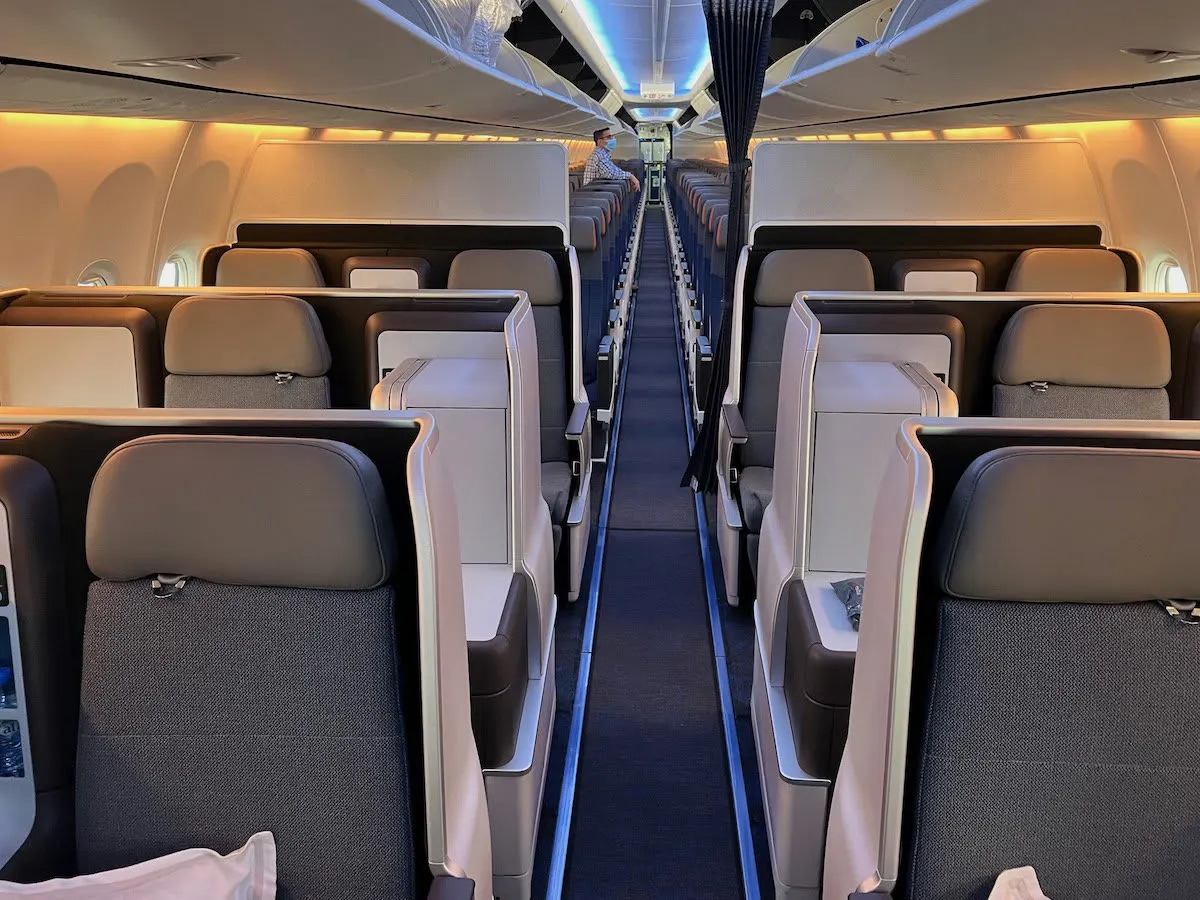
Flydubai Upgrading 21 Boeing 737 MAX 8s to Flat Bed Seats
Flydubai is retrofitting 21 Boeing 737 MAX 8 aircraft with lie-flat business class seats to standardize its premium product by late 2027.
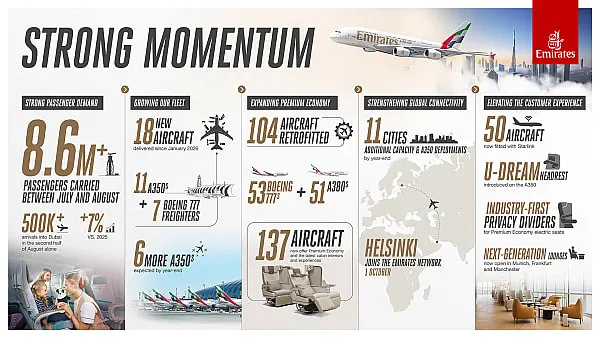
Emirates Winter Booking Momentum Grows Amid Fleet Expansion
Emirates carried 8.6 million passengers this summer and enters winter with strong demand as it accelerates fleet retrofits and network growth.
Air Arabia Consortium Gains AOC for New Dammam Budget Airline
A Saudi GACA-led consortium including Air Arabia has secured an AOC to launch a new budget airline based at Dammam's King Fahd International Airport.
Turkish Airlines Exits Luanda as Angola Hub Struggles
Turkish Airlines dropped its Luanda route as Angola's new airport struggles to attract traffic, handling only 756,028 passengers in 2025.

Red Sea Airlines Leases Two 737 MAX 8s for 2027 Expansion
Red Sea Airlines signed a lease for two Boeing 737 MAX 8 aircraft from SMBC Aviation Capital, arriving in 2027 to support its 14-aircraft fleet goal.
Avelo CEO Warns Airfares May Rise on Jet Fuel Price Spikes
Avelo Airlines CEO Andrew Levy warns that rising fuel costs may force fare increases as global jet fuel prices reach $171.01 per barrel.