Israel Extends Dubai Flight Ban Through October 2026

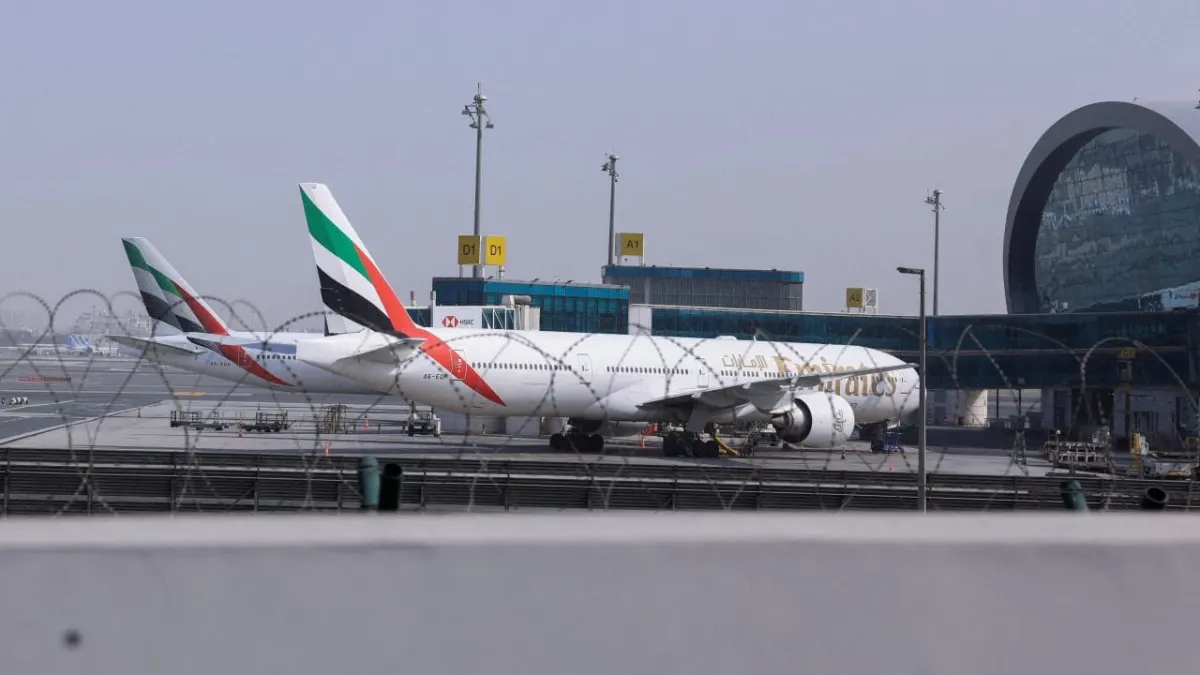
Israel has extended its ban on flights to the UAE until October 2026 as international airlines suspend operations amid regional geopolitical tensions.
Key Takeaways
- •Shin Bet bans Israeli flights to Dubai until October 31, 2026.
- •Air Canada suspends Tel Aviv and Dubai routes until October 24, 2026.
- •EASA maintains strict conflict zone advisories for Iranian and Lebanese airspace.
- •Cathay Pacific plans to resume Dubai service on September 1, 2026.
Israel Extends Dubai Flight Ban
The Israel General Security Authority (Shin Bet) has formally extended the ban on Israeli airlines operating flights to Dubai until the end of October 2026. This directive, driven by security concerns, mandates the suspension of all direct commercial services between Israel and the United Arab Emirates (UAE). The move reflects the ongoing Israel Dubai flight ban that continues to disrupt travel corridors in the region.
Global Airline Service Reductions
Beyond Israeli carriers, many international airlines continue to suspend operations or reduce service to the Middle East as a direct result of the escalating conflict between Iran and the U.S. These concerns over escalation between Iran and the US, which continues to affect aviation activity in the Middle East, have prompted a broad reassessment of regional airspace safety. Air Canada's travel updates confirm the carrier has cancelled all flights to Tel Aviv and Dubai until October 24, 2026. Similarly, Cathay Pacific has suspended its Dubai and Riyadh flights until August 31, 2026, while Finnair has halted Doha services until October 2, 2026, citing the need to avoid Iranian, Iraqi, Syrian, and Israeli airspace.
Regulatory Environment and Safety Advisories
The European Union Aviation Safety Agency (EASA) maintains strict oversight of the region through its Conflict Zone Information Bulletin (CZIB) system. CZIB-2026-04 mandates that European operators avoid the airspace of Iran at all flight levels, citing high risks from military escalation and air-defense misidentification. Additionally, CZIB-2026-06 recommends avoiding Lebanese airspace until at least August 31, 2026, due to regional volatility and potential spill-over risks. These advisories have led to Middle East airspace closures and widespread rerouting, which increases operational costs and flight times for carriers transiting the Persian Gulf.
Historical Precedents and Industry Impact
Industry analysts note that current risk assessments are heavily influenced by the Ukraine International Airlines Flight 752 shootdown in January 2020. That incident, which resulted in 176 fatalities during a period of heightened U.S.-Iran tensions, established a precedent for extreme caution regarding civilian aircraft misidentification. Aviation analyst John Strickland noted that while airlines like British Airways have opted to remain out of the region for now, the situation remains under constant review due to the importance of hubs like Dubai.
Technical Analysis: The Cost of Rerouting
The current industry trend toward widespread Middle East airspace avoidance creates a significant operational burden. By bypassing Iranian and Iraqi corridors, carriers are forced into longer flight paths that consume additional fuel and reduce aircraft utilization rates. While Gulf-based carriers such as Emirates and Etihad maintain that their independent risk assessments support continued operations, Western carriers are prioritizing the avoidance of potential conflict zones. This divergence highlights a split in operational strategy between regional hub operators and international long-haul carriers facing strict regulatory guidance from agencies like EASA.
What Comes Next: Resumption Milestones
- August 31, 2026: Expiration of current EASA Conflict Zone Information Bulletins for Iran, Iraq, and Lebanon.
- September 1, 2026: Expected resumption of Cathay Pacific flights to Dubai and Riyadh.
- October 24, 2026: Scheduled restart of Air Canada services to Tel Aviv and Dubai.
- October 31, 2026: Expiration of the Shin Bet landing ban for Israeli airlines in the UAE.
Why This Matters for Stakeholders
For Israeli airlines, the directive forces the cancellation of thousands of tickets on a previously high-demand route, impacting quarterly revenue. Meanwhile, the broader aviation industry faces sustained uncertainty as the expiration of safety bulletins remains tied to fluctuating geopolitical conditions. For passengers, the situation underscores the volatility of regional travel, with further schedule adjustments expected should the security landscape shift before the October deadlines.
Frequently Asked Questions
- Why did Israel extend the flight ban to Dubai?
- The Israel General Security Authority (Shin Bet) extended the ban until the end of October 2026 due to ongoing security concerns related to regional geopolitical tensions.
- Are international airlines still flying to the Middle East?
- While many international carriers have suspended or reduced flights to the region due to safety concerns and regulatory advisories, some Gulf-based airlines continue to operate, citing their own independent risk assessments.
From airline operations to fleet updates, commercial aviation news lives at omniflights.com. Discover how innovation is shaping aviation through aircraft systems, avionics, and digital tools at omniflights.com/technology.

Written by Shashank Shukla
Co-Founder & CTO leading the engineering and AI systems behind Omni Flights. Covers aviation technology, flight safety, aircraft manufacturing, and emerging aerospace developments.
Visit ProfileYou Might Also Like

Riyadh Airport Missile Strike Leaves 12 Dead

Avianca Flight AV42 Diverts to Miami After Turbulence

FAA Issues Saudi Arabia Flight Caution After Riyadh Attack

King Khalid International Airport Hit by Second Terror Attack

Houthi Attack on Riyadh Airport Kills 12, Injures 309