Ben Gurion Airport Parking Crisis Risks 50,000 Flight Tickets

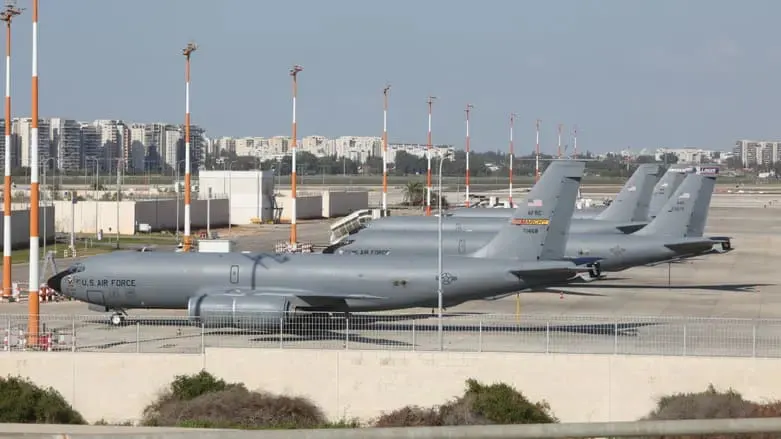
The Israel Airports Authority warns that a US military aircraft relocation freeze at Ben Gurion Airport threatens to force 50,000 flight cancellations.
Key Takeaways
- •IAA warns 50,000 tickets are at risk due to apron congestion.
- •US military refueling tankers currently occupy critical parking capacity.
- •Transportation Ministry mandates moving excess tankers to military bases.
- •Critical capacity shortage expected to peak by July 23, 2026.
Apron Congestion at Ben Gurion Airport
The Israel Airports Authority (IAA) has issued a critical warning regarding the operational capacity of Ben Gurion Airport (TLV), citing severe apron congestion caused by the prolonged presence of US military refueling aircraft. The Israel Airports Authority reports that the stationing of these assets has reduced commercial operational capacity to one-third of normal levels, putting up to 50,000 commercial airline tickets at risk of cancellation by the end of July.
The Operational Impasse
At the heart of the crisis is a decision by the United States Central Command (CENTCOM) to freeze the planned relocation of its Boeing KC-135 Stratotanker and Boeing KC-46 Pegasus fleets. Previously, approximately 75 military aircraft occupied 59 of the airport’s 99 available parking zones. While an agreement was established with the Israeli Ministry of Transportation to cap the military presence at 20 aircraft, current inventory reports indicate that between 24 and 34 US tankers remain on site. This continued encroachment prevents the airport from accommodating the high volume of commercial traffic expected during the peak summer travel season, where daily passenger throughput frequently exceeds 90,000.
Stakeholder Impact and Regulatory Response
Transportation Minister Miri Regev has taken a firm stance, declaring that the government will not permit ticket cancellations due to the presence of foreign military assets. The Ministry has issued a directive requiring any US tankers exceeding the 20-plane limit to be diverted to Israeli Air Force (IAF) bases. IAA Director General Sharon Kedmi emphasized the urgency of the situation in a formal letter to the Transportation Ministry, noting that the delay carries immediate operational consequences for the nation's primary gateway. The Israel Airports Authority estimates the financial impact of this restricted capacity could reach $190 million.
Historical Precedents and Military Encroachment
The situation at Ben Gurion Airport reflects a broader trend of military encroachment on civilian hubs during geopolitical conflicts. Historically, this pattern mirrors the experience of Rzeszów-Jasionka Airport (RZE) in Poland, which became a primary logistical hub for military aid to Ukraine starting in 2022. That transition significantly degraded commercial apron capacity, similar to the current challenges in Israel. In a more extreme historical precedent, the 2021 evacuation of Kabul Hamid Karzai International Airport saw the US military take total control of infrastructure, leading to the complete suspension of commercial services. These events highlight the delicate balance required when national security priorities intersect with essential civilian aviation infrastructure.
Technical Constraints on Airport Operations
Ben Gurion Capacity vs. Military Demand
| Metric | Commercial Capacity | Military Occupation |
|---|---|---|
| Parking Zones Occupied | 40 zones | 59 zones (peak) |
| Operational Status | 33% of normal | 66% of apron space |
| Target Fleet Limit | N/A | 20 aircraft |
What Comes Next: The July 23 Decision Point
The Israel Airports Authority has implemented a temporary air traffic control directive to halt approvals for additional US military tanker landings at Ben Gurion Airport. As the peak summer travel period intensifies, the airport faces a critical threshold. According to internal projections, a critical shortage of commercial parking spots is expected to trigger widespread flight cancellations by July 23, 2026, if the military relocation does not proceed as previously mandated.
Why This Matters for Regional Connectivity
This standoff signals a growing friction between regional defense requirements and the economic necessity of maintaining a functioning civil aviation network. For passengers, the risk of mass cancellations represents a significant disruption to international travel during the busiest month of the year. For the aviation industry, the situation serves as a stark reminder of the vulnerability of civilian hubs when they are requisitioned for prolonged international military operations, forcing a re-evaluation of how civil-military airspace coordination is managed during periods of heightened regional tension.
Frequently Asked Questions
- Why are flights at Ben Gurion Airport at risk of cancellation?
- The airport is experiencing severe apron congestion because a large number of US military refueling aircraft remain parked at the facility. This has reduced the airport's capacity for commercial aircraft to one-third of normal levels during the peak summer travel season.
- How many US military aircraft are currently parked at Ben Gurion Airport?
- Reports from the Israel Airports Authority indicate that between 24 and 34 US military refueling aircraft are currently occupying parking zones at the airport, exceeding the previously agreed-upon limit of 20 planes.
For global airline trends and commercial aviation news, turn to omniflights.com. Get the latest updates on major hubs, regional terminals, and airport operations via the Airports section at omniflights.com/airports.

Written by Shashank Shukla
Co-Founder & CTO leading the engineering and AI systems behind Omni Flights. Covers aviation technology, flight safety, aircraft manufacturing, and emerging aerospace developments.
Visit ProfileYou Might Also Like
Riyadh Airport Missile Strike Leaves 12 Dead

Avianca Flight AV42 Diverts to Miami After Turbulence
FAA Issues Saudi Arabia Flight Caution After Riyadh Attack

King Khalid International Airport Hit by Second Terror Attack
Houthi Attack on Riyadh Airport Kills 12, Injures 309