United Pilot Reports Possible Drone Strike on Approach to San Diego

Co-Founder & CEOAviation News Editor delivering trusted coverage across the global aviation industry.
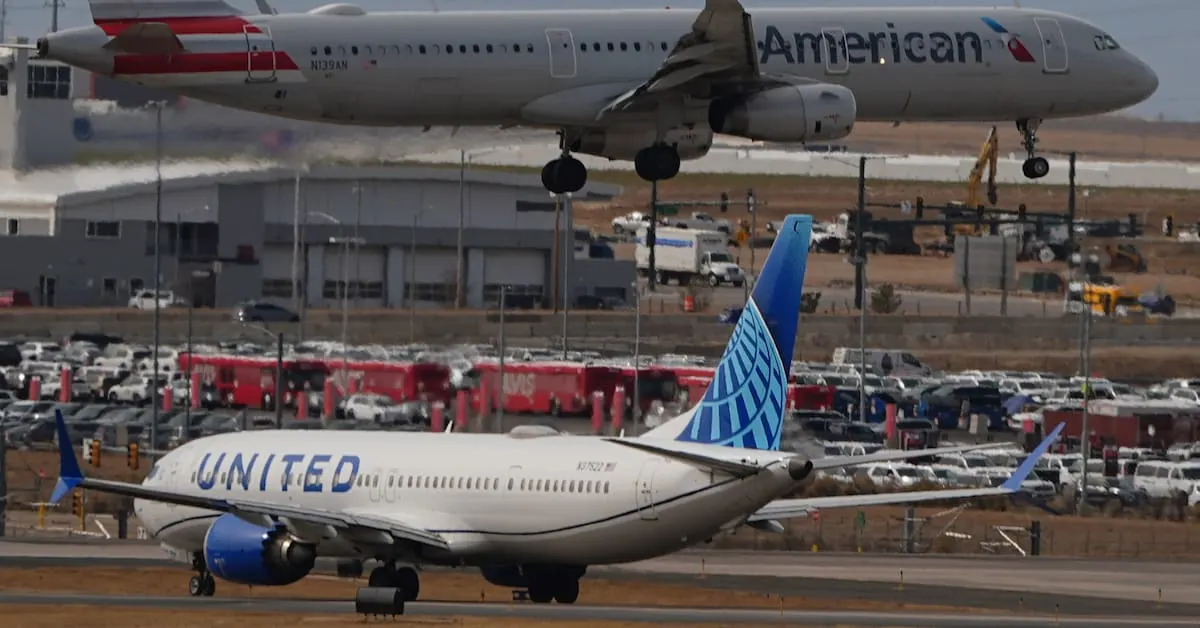
A United Airlines pilot reported a possible drone strike at 3,000 feet while approaching San Diego, prompting a Federal Aviation Administration...
Key Takeaways
- •Reported a possible drone strike at 3,000 feet on approach to San Diego (SAN).
- •Landed safely with 48 passengers; a post-flight inspection revealed no aircraft damage.
- •Triggers Federal Aviation Administration investigation amid over 100 drone sightings monthly near U.S. airports.
- •Highlights the ongoing conflict between UAV proliferation and commercial airline safety.
A United Airlines pilot reported a potential mid-air collision with a drone while on approach to San Diego International Airport (SAN) on April 29, 2026, triggering an investigation by the Federal Aviation Administration (FAA). The incident involved United Flight 1980, a Boeing 737-800 operating from San Francisco (SFO), and occurred at an altitude of approximately 3,000 feet—well above the legal ceiling for unmanned aircraft.
The flight, carrying 48 passengers and 6 crew members, landed safely at its destination without incident. A subsequent post-flight inspection of the airframe revealed no evidence of damage. Despite the safe outcome, the event underscores the growing risk that unauthorized Unmanned Aerial Vehicles (UAVs), commonly known as drones, pose to commercial air traffic in controlled airspace.
Regulatory Scrutiny and Industry Concerns
The pilot's communication with Air Traffic Control (ATC), captured in an audio recording, detailed the encounter during a critical phase of flight. The reported altitude of 3,000 feet places the drone significantly outside the bounds of FAA regulations. According to 14 CFR Part 107, the federal rule governing small unmanned aircraft, drone operations are restricted to a maximum altitude of 400 feet above ground level and are prohibited in controlled airspace near airports without specific authorization.
The FAA confirmed it is actively investigating the report, a common procedure for such events. The agency receives over 100 drone-sighting reports near airports every month, highlighting the persistent challenge of enforcing these airspace rules. Aviation authorities and pilot unions have consistently warned about the catastrophic potential of a drone being ingested into a commercial aircraft's engine or causing significant structural damage. This incident has amplified pressure on stakeholders, from recreational drone operators who face heightened scrutiny to airport authorities now considering investments in costly counter-UAS detection systems.
A Pattern of Near-Misses and Misidentification
While confirmed in-flight collisions between commercial airliners and drones remain rare, the frequency of near-misses is a documented trend. A 2023 study by Embry-Riddle Aeronautical University identified 24 near-midair collisions (defined as within 500 feet) around Dallas-Fort Worth International Airport alone over a three-year period. These encounters create significant safety risks and increase pilot workload during approach and landing.
However, industry analysts also caution that pilot visual identification of small objects at high speeds can be unreliable. Many suspected drone strikes are later attributed to bird strikes, weather balloons, or even plastic bags. This incident mirrors a highly publicized event in April 2016, when a British Airways flight reported hitting a drone on approach to London Heathrow. The aircraft landed safely with no damage, and authorities later closed the investigation due to a lack of physical evidence.
In contrast, an incident in December 2018 involving an Aeromexico Boeing 737 approaching Tijuana demonstrated the potential for real damage. The aircraft's nose cone (radome) was significantly damaged, though the cause was not definitively confirmed as a drone. One of the few confirmed cases in the U.S. involved a U.S. Army Black Hawk helicopter, which collided with a drone in September 2017, sustaining damage to a rotor blade.
Technical Analysis
The United 1980 incident, regardless of whether physical contact occurred, illustrates a critical vulnerability in terminal airspace management. It serves as a data point that reinforces the urgent need for robust technological and regulatory solutions. The event accelerates the push for wider deployment of counter-UAS systems, such as RF scanners and specialized radar, around major airports. Furthermore, it places additional pressure on the FAA to expedite and enforce regulations like Remote ID, which would allow authorities to identify and track drones in real-time. The pattern of unconfirmed but plausible sightings creates a complex risk management problem, forcing airlines and regulators to balance operational continuity with the low-probability, high-consequence threat of a genuine mid-air collision.
What Comes Next
The FAA's investigation into the United Flight 1980 incident is expected to be completed in late 2026. The investigation will likely involve analyzing the aircraft's flight data recorder, reviewing ATC communications, and attempting to identify the drone operator if possible. The findings will contribute to the agency's broader strategy for integrating drones safely into the national airspace and mitigating the risks they pose to commercial aviation.
Why This Matters
This incident is significant not because of its outcome—which was safe—but because it represents a high-profile example of a persistent and growing threat. It highlights the daily challenges flight crews face and reinforces the urgent need for effective drone detection and enforcement. For the aviation industry, each such report is a reminder of the critical importance of closing the regulatory and technological gaps to ensure the safety of crowded terminal airspace.
Frequently Asked Questions
- What happened to United Flight 1980 near San Diego?
- On April 29, 2026, the pilot of United Flight 1980, a Boeing 737-800, reported a possible drone strike at an altitude of 3,000 feet while on approach to San Diego International Airport. The aircraft, carrying 48 passengers, landed safely and a post-flight inspection revealed no damage.
- What are the FAA rules for flying drones near airports?
- Under Federal Aviation Administration regulation 14 CFR Part 107, drone flights are restricted to a maximum altitude of 400 feet above ground level. Furthermore, all unauthorized flights are strictly prohibited in the controlled airspace surrounding airports due to the significant collision risk they pose to manned aircraft.
- How common are drone sightings by commercial pilots?
- Drone sightings are increasingly common. According to the Federal Aviation Administration, the agency receives over 100 reports of drone sightings from pilots and air traffic control near U.S. airports every month, highlighting a growing safety concern for the aviation industry.
Access up-to-date commercial aviation news and airline industry developments via omniflights.com. Stay informed on aviation incidents, investigations, and best practices in the Safety category at omniflights.com/safety.
Written by Hardik Vishwakarma
Co-Founder & Aviation News Editor leading initiatives that improve trust and visibility across the global aviation industry. Covers airlines, airports, safety, and emerging technology.
Visit ProfileYou Might Also Like
Discover more aviation news based on similar topics

Trump Orders Release of 161 Declassified UAP Files
The Trump administration released 161 declassified UAP files via its new PURSUE portal, a move praised for transparency but criticized as a political ploy.

DOE Agent Death Sparks UAP Whistleblower Questions
The 2021 death of a DOE special agent is under new scrutiny following claims he planned to expose secret government UAP programs before he died.
Researcher Claims 4 Alien Species Recovered; Pentagon Denies
Physicist Hal Puthoff alleges the US recovered 4 alien species, sparking debate amid official Pentagon denials from its AARO UAP report.

Declassified FBI Files Detail Nazi Saucer Claims
The DoD has declassified 162 historical UAP files, which include unverified informant claims about Nazi flying saucers, under its PURSUE transparency plan.

Apollo 17 UAP Encounter Detailed in Declassified Files
The Pentagon released 162 declassified UFO files revealing the Apollo 17 crew's 1972 encounter with unexplained 'very bright particles' in lunar orbit.
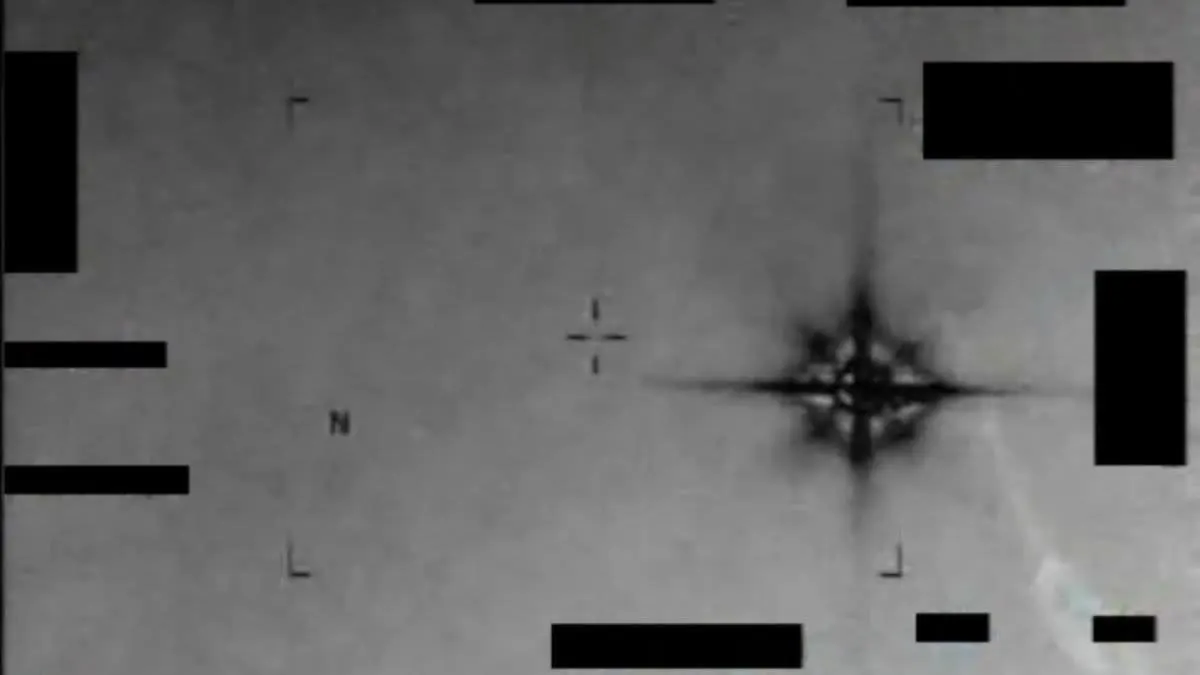
AARO Releases 2013 Star-Shaped UAP Video
The US government released 162 declassified UAP files, including a 2013 video of a star-shaped object that experts suggest is a sensor artifact.