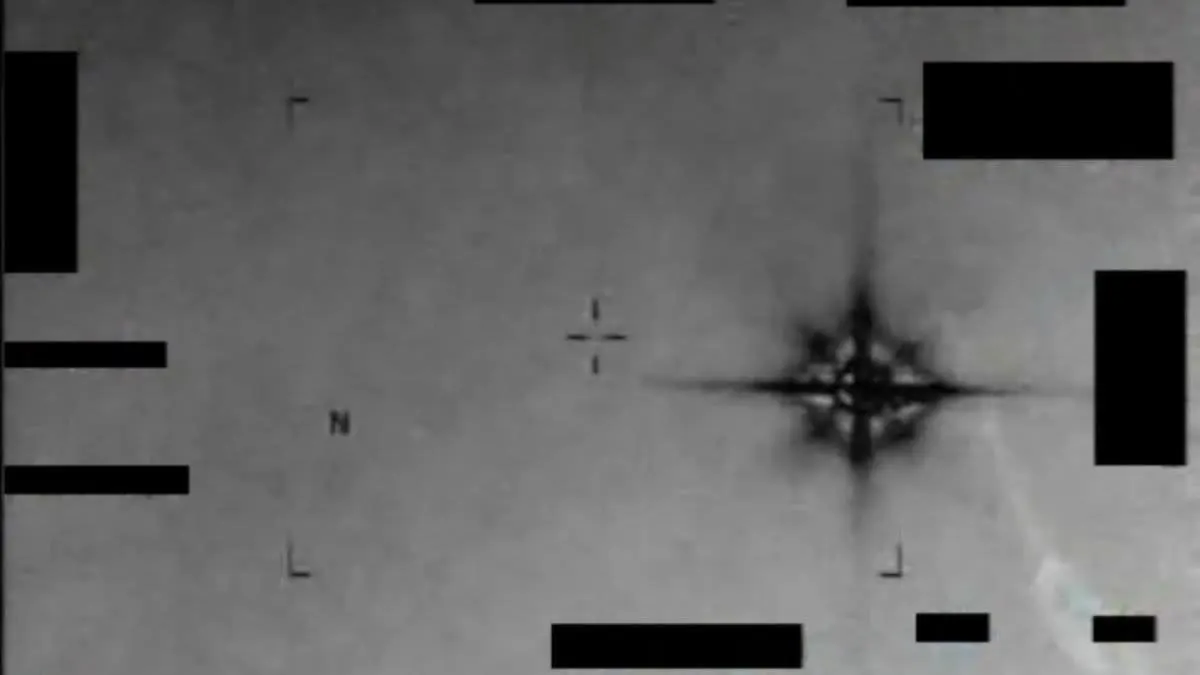
UK MoD's UAP Stance Contrasts with Decades of North East Sighting Reports

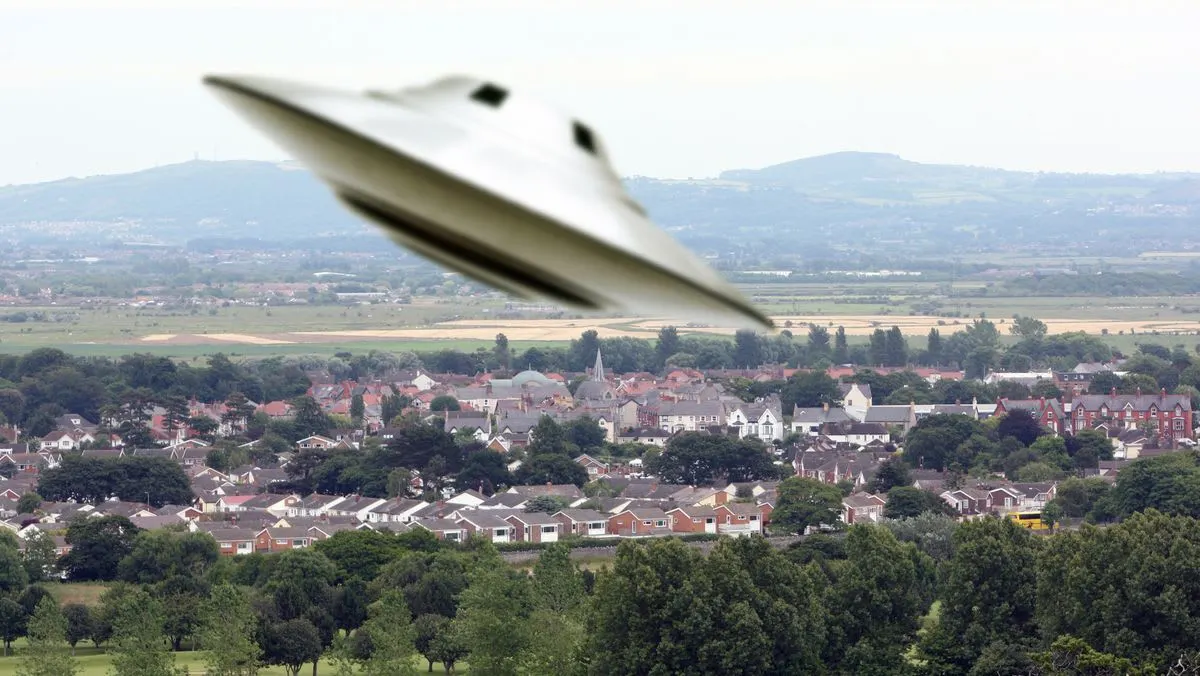
Decades of Unidentified Anomalous Phenomena reports in North East UK, including military sightings, contrast with the MoD's 2009 halt to investigations.
Key Takeaways
- •Highlights over 80 years of civilian and military UAP sightings in North East England.
- •Contrasts public reports with the UK Ministry of Defence's 2009 closure of its UFO desk.
- •Details the aviation industry's shift from 'UFO' to 'UAP' for airspace safety reporting.
- •Notes the role of misidentified drones and Unmanned Aircraft Systems in modern sightings.
A collection of historical reports from North East England highlights decades of public sightings of Unidentified Flying Objects (UFOs), including a notable 1977 report from military personnel at Royal Air Force (RAF) Boulmer. These accounts stand in contrast to the official stance of the UK's Ministry of Defence (MoD), which ceased investigating such phenomena in 2009, concluding they posed no threat to national security.
The persistent public interest in these events underscores a significant divergence between civilian experience and official aviation policy. While historical reports often carried connotations of extraterrestrial life, modern aviation authorities now categorize these events as Unidentified Anomalous Phenomena (UAP). This terminological shift reframes the issue from a speculative mystery to a practical matter of airspace safety, primarily concerned with potential hazards from unauthorized drones or other airborne clutter.
Historical and Military Sightings
Reports of unusual aerial phenomena in the North East date back to at least 1940. Over the subsequent decades, witnesses described a variety of objects, including a "flying pencil" over Newcastle in 1951, a "fat cigar"-shaped craft near Alnwick Castle in 1971, and a massive silver saucer likened to "five or six jumbo jets" over Westerhope in 1972. While many reports came from the public, some originated from official sources, lending them greater weight.
In 1977, a Flight Lieutenant at RAF Boulmer reported multiple "bright objects hanging over the sea," one of which was described as "luminous, round and four to five times larger than a helicopter." The sighting was observed by other servicemen and formally reported to commanding officers. A few years later, in 1982, two Northumbria Police officers observed an object hovering over the Tyne Valley for nearly an hour. These incidents involving trained observers are significant, as they are less likely to be simple misidentifications.
Official Policy and Modern Context
The UK's official approach to these sightings has evolved significantly. For decades, the MoD maintained a public desk to receive and investigate UFO reports. However, according to UK National Archives, the desk was closed in December 2009 after receiving over 600 reports that year—a threefold increase from the prior year. The MoD's formal position was that the work provided "no defence benefit" and that continued investigation was an inappropriate use of defence resources. This decision effectively ended official government-level inquiry into civilian UAP sightings in the UK.
In the years since, the proliferation of commercially available Unmanned Aircraft Systems (UAS), or drones, has become a primary explanation for many modern UAP sightings. The Civil Aviation Authority (CAA), which regulates UK airspace, has established comprehensive guidelines for drone operation to ensure safety. Under regulations retained in UK law, pilots and air traffic controllers are bound by Mandatory Occurrence Reporting rules, requiring them to report any airspace incursion that could pose a safety risk, including unauthorized drones. This regulatory framework treats UAPs as a safety issue to be managed rather than an extraterrestrial one to be investigated. More information on these regulations can be found on the UK Civil Aviation Authority: Drones and UAS website.
Technical Analysis
The historical trajectory of UAP reports in the UK reveals a clear divergence between public perception and official priorities. The 2009 closure of the MoD's UFO desk serves as a key historical precedent, cementing a policy that de-emphasizes investigation of the unknown in favor of managing known airspace risks. This development reflects a broader international trend within military and aviation circles to rebrand the phenomenon from 'UFO' to 'UAP,' thereby removing cultural stigma and focusing squarely on flight safety and domain awareness. The data suggests that spikes in sightings often correlate with the introduction of new technologies, from high-altitude balloons, which were the subject of the 1947 Roswell incident, to the current proliferation of consumer drones. This pattern indicates that a significant percentage of UAP reports are likely misidentifications of conventional or emerging human-made technology. The modern aviation response, led by bodies like the CAA, is therefore pragmatic, addressing the tangible threat of mid-air collision with UAS rather than the speculative threat of non-human intelligence.
Why This Matters
This long history of sightings, when viewed against current aviation policy, illustrates a critical shift in how authorities manage unexplained aerial phenomena. For pilots, air traffic controllers, and safety regulators, the focus is not on the origin of a UAP but on its potential as an immediate airspace hazard. The ongoing public reports, disconnected from the official safety-focused framework, highlight a persistent cultural fascination that now exists largely outside the scope of formal aviation and defence analysis.
Frequently Asked Questions
- Why did the UK Ministry of Defence stop investigating UFOs?
- The UK Ministry of Defence (MoD) closed its UFO investigation desk in 2009 after concluding the reports offered 'no defence benefit' and diverted resources from core military aviation tasks. Despite a spike in reports that year, the MoD found no evidence of a potential threat.
- What is the difference between a UFO and a UAP?
- UFO stands for Unidentified Flying Object, a term with strong cultural ties to extraterrestrial life. UAP, or Unidentified Anomalous Phenomena, is the modern term used by aviation authorities and the military to professionally and neutrally describe any unexplained object or event, focusing on it as a potential airspace safety hazard.
- What was the RAF Boulmer UFO sighting in 1977?
- In 1977, a Flight Lieutenant at RAF Boulmer, along with other servicemen, reported seeing multiple 'bright objects hanging over the sea.' One object was described as luminous, round, and four to five times larger than a helicopter, representing a significant military UAP report from the North East region.
Access up-to-date commercial aviation news and airline industry developments via omniflights.com. Discover how innovation is shaping aviation through aircraft systems, avionics, and digital tools at omniflights.com/technology.

Written by Hardik Vishwakarma
Co-Founder & Aviation News Editor leading initiatives that improve trust and visibility across the global aviation industry. Covers airlines, airports, safety, and emerging technology.
Visit ProfileYou Might Also Like

Trump Orders Release of 161 Declassified UAP Files

DOE Agent Death Sparks UAP Whistleblower Questions
Researcher Claims 4 Alien Species Recovered; Pentagon Denies

Declassified FBI Files Detail Nazi Saucer Claims

Apollo 17 UAP Encounter Detailed in Declassified Files