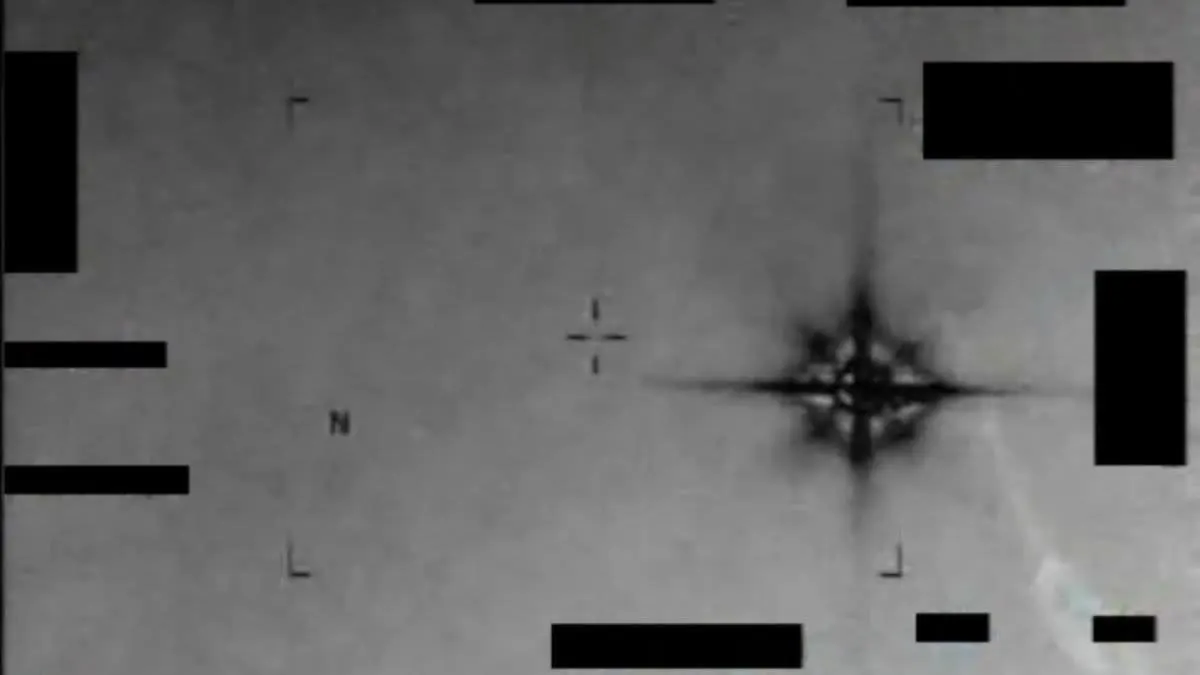
Lawmakers Slam Pentagon for Missing April UAP Disclosure Deadline

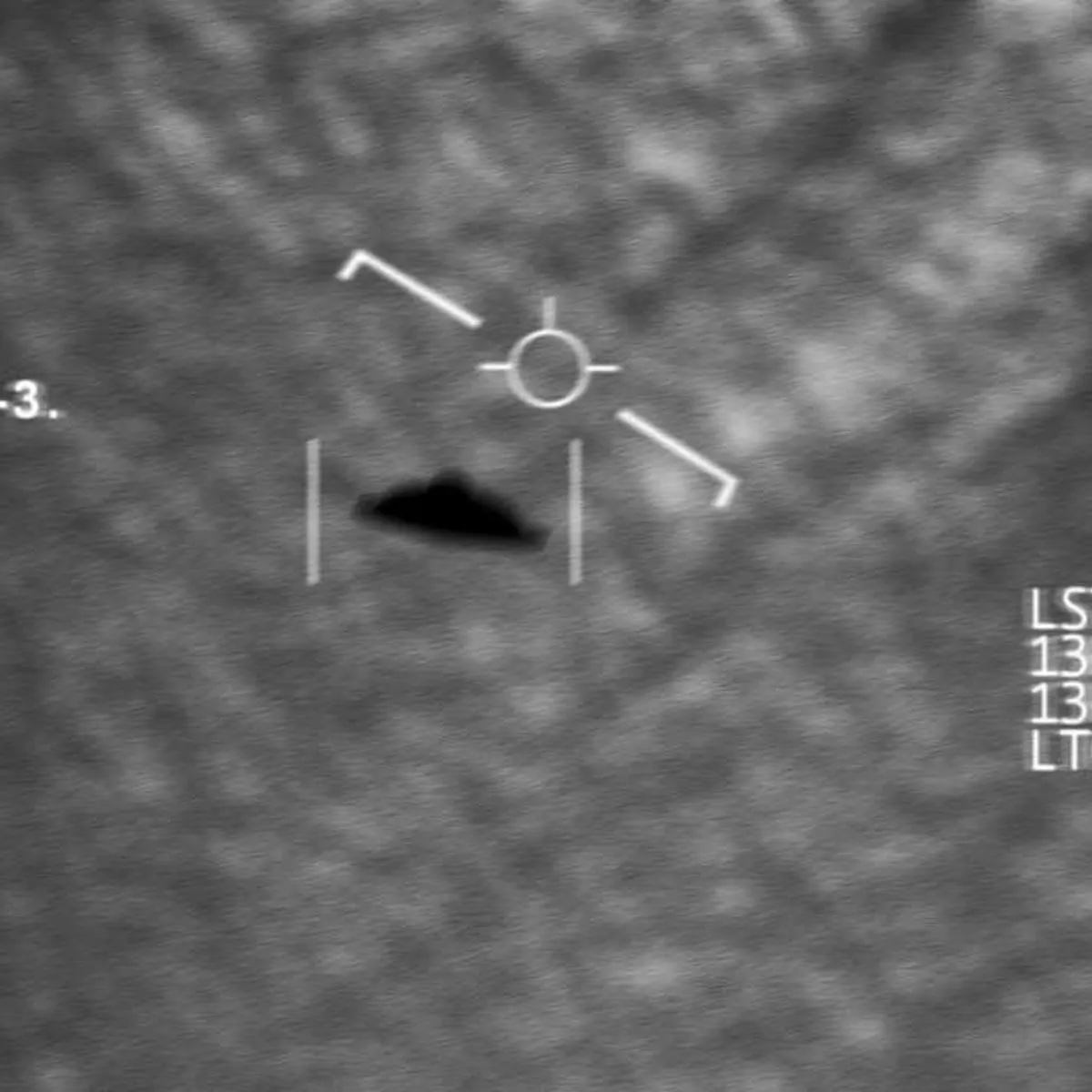
U.S. lawmakers expressed sharp skepticism after the Pentagon missed an April 14 deadline to respond to demands for Unidentified Anomalous Phenomena files.
Key Takeaways
- •Pentagon misses an April 14 deadline for UAP disclosure, sparking sharp congressional criticism.
- •Highlights deep bipartisan distrust of DoD transparency and its AARO investigation office.
- •Raises national security concerns over 10 missing Los Alamos scientists and unresolved 2024 drone incursions.
- •The UAP Disclosure Act aims to force declassification of sensitive government records on the phenomena.
Congressional criticism of the Department of Defense (DoD) has intensified after the Pentagon missed an April 14 deadline to respond to lawmaker demands for disclosure on Unidentified Anomalous Phenomena (UAP). The missed deadline has fueled bipartisan accusations of obfuscation and has deepened distrust between legislators and the national security apparatus.
The core of the conflict extends beyond simple curiosity into a significant challenge to Pentagon transparency. Lawmakers from both parties, involved with initiatives like the UAP Disclosure Act, are signaling that their patience is wearing thin. The situation highlights a growing rift over how much the public and its elected officials should know about potential advanced aerospace technologies and unexplained events occurring in restricted airspace. This has severe implications for the credibility of the DoD's All-domain Anomaly Resolution Office (AARO), the agency tasked with investigating UAPs, which now faces accusations of orchestrating a cover-up.
Congressional Distrust Mounts
Reactions on Capitol Hill ranged from frustration to outright mockery. Rep. Tim Burchett (R-TN), co-chair of the House UAP Caucus, accused the Pentagon of a deliberate strategy to "delay, delay, delay until they can get everything covered up." He asserted that he does not trust AARO and that any meaningful release of information would have to originate from the highest levels of government.
Adding a more alarming dimension, Rep. Jared Moskowitz (D-FL) highlighted that approximately 10 scientists connected to the Los Alamos nuclear program and aerospace research are either unaccounted for or deceased. "I think the Pentagon needs to come clean," Moskowitz stated, calling for a hearing on the disappearances. His comments underscore that the UAP issue is intertwined with serious personnel safety and security concerns within the nation's most sensitive research facilities.
Even lawmakers not deeply embedded in the UAP caucus expressed concern. Sen. Andy Kim (D-NJ) noted his continued frustration over the lack of clear answers regarding the mysterious unidentified drone incursions over New Jersey in 2024, which affected restricted airspace. Other members, like Sen. Cory Booker (D-NJ), expressed a general distrust of promises for transparency, while skeptics such as Rep. Jim Himes (D-CT) mocked the disclosure push, quipping that any discovered aliens are likely "crypto bros."
Legislative and Historical Context
The current push for transparency is anchored by significant legislative efforts. The UAP Disclosure Act, co-authored by Sens. Mike Rounds (R-SD) and Chuck Schumer (D-NY), is modeled directly on a key historical precedent: the JFK Assassination Records Collection Act of 1992. That legislation mandated the public release of assassination records and established a framework for declassification. Similarly, the UAP Disclosure Act mandates that all government UAP records be centralized at the National Archives with a presumption of immediate disclosure.
This legislative drive was largely catalyzed by the July 2023 congressional hearing featuring whistleblower testimony from David Grusch. His claims regarding alleged non-human biologics and crash retrieval programs, made under oath, spurred the formation of the House UAP Caucus and solidified bipartisan support for disclosure. The current standoff is seen by many as a direct challenge to the authority established by these recent congressional actions, which aim to prevent a repeat of historical obfuscation like that seen during the U.S. Air Force's Project Blue Book (1952-1969).
Technical Analysis
This development indicates a critical inflection point in the relationship between Congress and the defense intelligence community. The conflict over UAP disclosure is a proxy for a larger battle over congressional oversight of highly classified Special Access Programs and advanced aerospace development. The Pentagon's failure to meet a congressionally-related deadline is not merely a bureaucratic lapse; it is perceived as an act of defiance against legislative authority. Historically, such standoffs have led to more aggressive oversight mechanisms, including subpoenas and targeted funding cuts. The data suggests an accelerating trend of lawmakers using legislative tools, like the UAP Disclosure Act, to pierce the veil of secrecy surrounding national security programs. This situation follows the trajectory set by the Grusch hearings, moving from whistleblower allegations to direct legislative confrontation with the DoD.
What Comes Next
The immediate future will likely involve increased pressure on the Pentagon and AARO. A congressional hearing on the missing Los Alamos scientists is expected in late 2026, which could further escalate tensions. Meanwhile, the executive branch's response remains a key variable. While it has been rumored that a declassification and release of UAP files could occur in 2026, the White House has not confirmed a specific date or the scope of any potential disclosure. The UAP Caucus continues to push for the release of 46 classified UAP videos, a milestone that remains subject to Pentagon approval.
Why This Matters
Beyond the sensational aspects, this standoff has profound implications for national security and aviation safety. If UAPs represent advanced technology operated by foreign adversaries or are previously unknown natural phenomena, their presence in controlled airspace poses a significant risk. The struggle over disclosure will set a lasting precedent for how the U.S. government balances transparency with the need to protect classified defense programs, directly impacting the credibility of its institutions and the safety of its skies.
Frequently Asked Questions
- What is the UAP Disclosure Act?
- The UAP Disclosure Act is a bipartisan U.S. law modeled on the JFK Records Act. It mandates the presumption of immediate disclosure for government records on Unidentified Anomalous Phenomena (UAPs) and centralizes them in the National Archives for public access.
- Why are lawmakers concerned about the Pentagon's handling of UAP information?
- Lawmakers express deep distrust, accusing the Pentagon and its AARO office of deliberately delaying disclosure and covering up information. These concerns are heightened by the Pentagon missing a key April 14 disclosure deadline and unresolved issues like the disappearance of 10 Los Alamos scientists.
- What is AARO?
- AARO stands for the All-domain Anomaly Resolution Office. It is the official Department of Defense agency tasked with leading the U.S. government's efforts to investigate, identify, and resolve Unidentified Anomalous Phenomena across all domains, including air, sea, and space.
Access up-to-date commercial aviation news and airline industry developments via omniflights.com. Discover how innovation is shaping aviation through aircraft systems, avionics, and digital tools at omniflights.com/technology.

Written by Hardik Vishwakarma
Co-Founder & Aviation News Editor leading initiatives that improve trust and visibility across the global aviation industry. Covers airlines, airports, safety, and emerging technology.
Visit ProfileYou Might Also Like

Trump Orders Release of 161 Declassified UAP Files

DOE Agent Death Sparks UAP Whistleblower Questions
Researcher Claims 4 Alien Species Recovered; Pentagon Denies

Declassified FBI Files Detail Nazi Saucer Claims

Apollo 17 UAP Encounter Detailed in Declassified Files