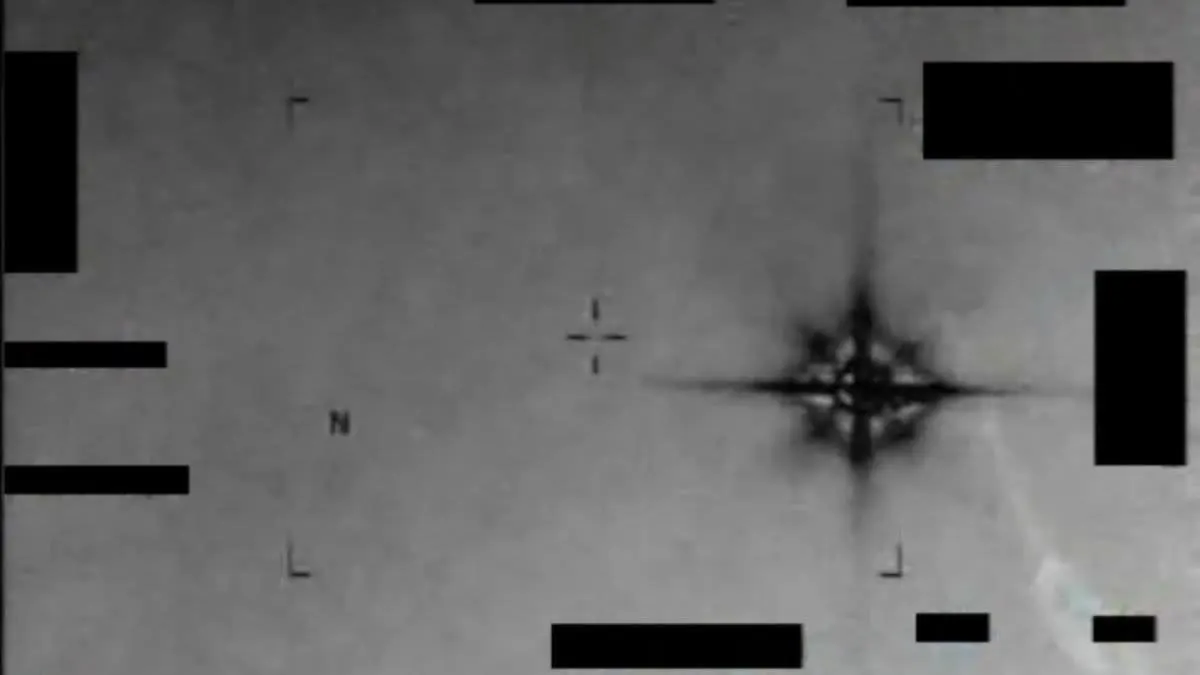
FAA Formalizes UAP Reporting as AARO Caseload Exceeds 2,000

The FAA has formalized UAP reporting procedures for pilots as the DoD's AARO now investigates over 2,000 cases, destigmatizing safety reports.
Key Takeaways
- •Formalizes UAP reporting procedures under FAA Notice N JO 7210.970 for pilots and ATC.
- •Increases the All-domain Anomaly Resolution Office's active caseload to over 2,000 reports.
- •Mandates that UAP sightings be reported to the National Tactical Security Operations team.
- •Aims to destigmatize pilot reporting of anomalies to improve overall aviation safety.
Recent regulatory changes by the Federal Aviation Administration (FAA) have formalized the process for reporting Unidentified Anomalous Phenomena (UAPs), integrating the topic into standard aviation safety and national security frameworks. This policy shift comes as the Department of Defense’s dedicated investigative body, the All-domain Anomaly Resolution Office (AARO), is now examining a caseload exceeding 2,000 reports.
The development marks a significant move away from treating UAP sightings as fringe events and towards a structured, data-driven approach to monitoring US airspace. For commercial pilots and air traffic controllers, the new guidelines aim to destigmatize reporting, encouraging the documentation of any unexplained aerial object that could pose a potential flight safety risk. This aligns with a broader trend of increasing transparency and legislative action compelling government agencies to address UAPs more openly.
Regulatory Framework and Reporting Protocols
Under the new guidelines outlined in FAA Notice N JO 7210.970, air traffic control personnel are now mandated to report UAP observations. Any sightings reported by pilots or observed directly by controllers must be communicated to the National Tactical Security Operations (NTSO) team. This notification is made via the Domestic Events Network (DEN), the FAA's 24/7 telephonic conference system used for coordinating responses to national security and safety events.
This formalization is legally underpinned by congressional mandates, including 50 U.S.C. § 3373, which legally defined UAPs and established AARO. Furthermore, the 2026 National Defense Authorization Act (NDAA) has increased pressure on government agencies to share UAP-related information with Congress. The FAA's updated air traffic control procedures, detailed in Order JO 7110.65, reflect these legislative requirements, treating UAP reports as a standard component of airspace monitoring.
According to a February 2026 statement from Department of Defense spokesperson Sue Gough, AARO's caseload has grown by at least 400 reports since late 2024. However, the data presents challenges; approximately 1,000 of the total UAP reports lack sufficient data for thorough analysis and are currently held in AARO's Active Archive.
Historical Context and Modern Precedents
The current government effort to systematically study UAPs has historical parallels. From 1952 to 1969, the U.S. Air Force conducted Project Blue Book, which ultimately concluded that UFOs did not pose a national security threat. In contrast, the modern approach initiated by the Office of the Director of National Intelligence's preliminary report in June 2021 treats UAPs as a potential, uncharacterized risk to aviation safety and national security, leading directly to the formation of AARO.
The 2021 report, which acknowledged 144 UAP incidents from government sources, served as a catalyst, shifting the official posture from dismissal to active investigation. This has directly impacted stakeholders, particularly commercial pilots and air traffic controllers, who now have a clear, official protocol for reporting anomalies without fear of professional repercussions. For AARO, the primary impact is managing an increasing caseload and the political pressure for public disclosure.
Technical Analysis
The integration of UAP reporting into the FAA's operational framework represents a critical step in maturing the aviation industry's Safety Management Systems (SMS). By standardizing data collection through the DEN, regulators are treating UAPs not as an extraterrestrial issue but as an airspace safety variable that must be tracked and analyzed. This development indicates a shift toward managing unidentified aerial objects as a potential hazard, similar to how the industry tracks drone activity, weather phenomena, or volcanic ash clouds.
This trajectory, which accelerates the precedent set by the 2021 ODNI report, focuses on mitigating risk in navigable airspace. The core objective is to understand the performance characteristics and flight patterns of these phenomena to ensure the safety of commercial and military air traffic. The challenge remains the quality of data, as noted by the DoD, which hampers AARO's ability to draw definitive conclusions for a significant portion of its cases.
What Comes Next
Looking ahead, the push for transparency is expected to continue. The White House and the Department of Defense are expected to authorize the declassification of initial UAP documents by mid-2026. This milestone is part of the broader legislative effort to provide Congress and the public with more insight into AARO's findings and the nature of the phenomena being observed in restricted and commercial airspace. Further regulatory updates from the FAA may follow as more data is collected and analyzed.
Why This Matters
This formalized reporting structure is significant because it provides pilots and air traffic controllers with a sanctioned, non-judgmental channel to report potential airspace hazards. By treating Unidentified Anomalous Phenomena as a safety issue rather than a cultural one, regulators can better assess risks and improve overall situational awareness in the National Airspace System. The move positions the aviation industry to systematically collect and analyze data on phenomena that, regardless of their origin, operate in proximity to commercial air traffic.
Frequently Asked Questions
- What is the new FAA policy for reporting UAPs?
- The FAA's Notice N JO 7210.970 requires air traffic controllers to report any UAP observations from pilots or personnel to the National Tactical Security Operations (NTSO) team via the Domestic Events Network (DEN). This standardizes the process for tracking potential airspace hazards.
- How many UAP cases is the US government currently investigating?
- According to the Department of Defense, the All-domain Anomaly Resolution Office (AARO) is actively examining over 2,000 Unidentified Anomalous Phenomena cases as of early 2026. However, about half of these reports lack sufficient data for a full analysis.
- Why is the US government increasing its focus on UAPs?
- The increased focus, mandated by legislation like 50 U.S.C. § 3373, treats UAPs as a matter of aviation safety and national security. The goal is to destigmatize reporting from pilots and systematically analyze any potential threats or unknown phenomena in US airspace.
Stay ahead of the airline industry with commercial aviation news from omniflights.com. Stay informed on aviation incidents, investigations, and best practices in the Safety category at omniflights.com/safety.

Written by Hardik Vishwakarma
Co-Founder & Aviation News Editor leading initiatives that improve trust and visibility across the global aviation industry. Covers airlines, airports, safety, and emerging technology.
Visit ProfileYou Might Also Like

Trump Orders Release of 161 Declassified UAP Files

DOE Agent Death Sparks UAP Whistleblower Questions

Researcher Claims 4 Alien Species Recovered; Pentagon Denies

Declassified FBI Files Detail Nazi Saucer Claims

Apollo 17 UAP Encounter Detailed in Declassified Files