Ryanair Flight FR9887 Diverts to Nantes After Turbulence

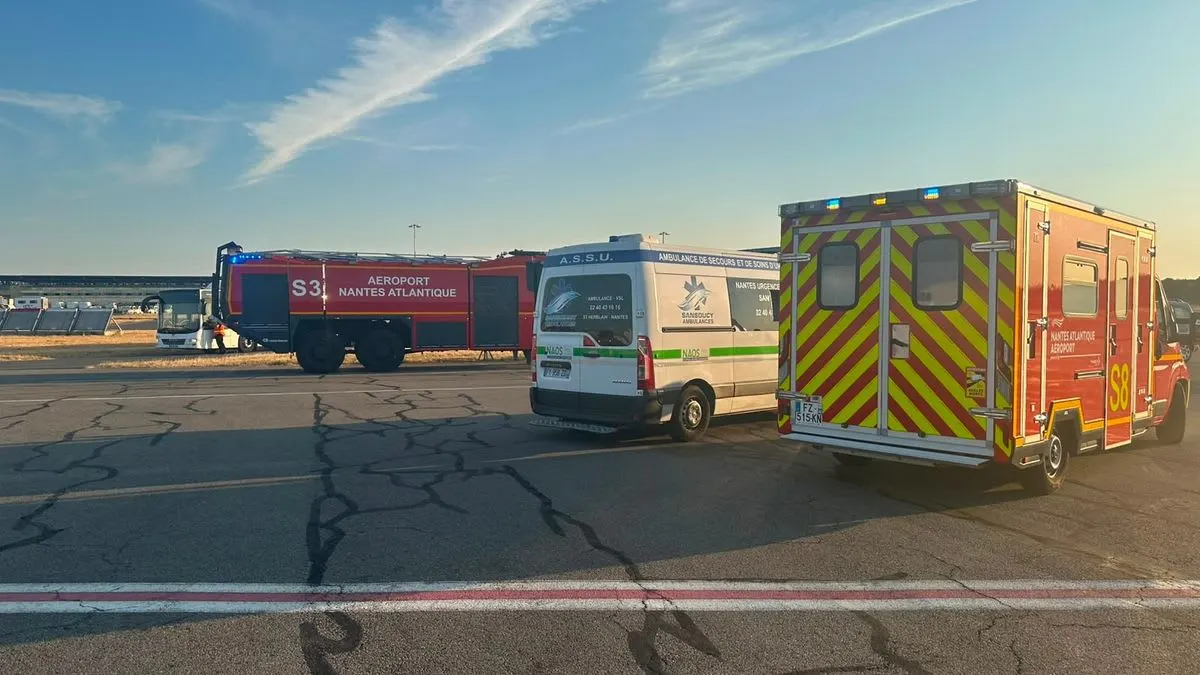
Ryanair flight FR9887 diverted to Nantes following severe mid-air turbulence that left passengers and crew injured during a flight from Alicante.
Key Takeaways
- •Ryanair flight FR9887 diverted to Nantes following severe turbulence.
- •Passengers and crew sustained injuries during a sudden 300-foot altitude drop.
- •A replacement aircraft completed the journey to Liverpool at 12:20 AM.
- •French authorities are expected to release flight data analysis in Q3 2026.
Emergency Diversion to Nantes
Ryanair flight FR9887 made an emergency diversion to Nantes Atlantique Airport (NTE) on Friday, July 10, 2026, following an encounter with severe mid-air turbulence. The flight, operated by a Boeing 737-800 (registration 9H-QBL) on behalf of Malta Air, was en route from Alicante-Elche Miguel Hernández Airport (ALC) to Liverpool John Lennon Airport (LPL). The aircraft departed Alicante at 6:05 PM, following a delay from its original 4:35 PM schedule. Approximately one hour into the cruise, the flight encountered sudden, violent turbulence, forcing the pilots to divert to the nearest suitable airfield.
Cabin Impact and Passenger Injuries
Eyewitness accounts from passengers describe a terrifying sequence of events in which the aircraft dropped, reportedly by approximately 300 feet in a matter of seconds. The intensity of the vertical acceleration caused unbuckled passengers and cabin crew members to be thrown toward the ceiling of the cabin. A Ryanair spokesperson confirmed the incident, stating that a small group of passengers required medical treatment upon arrival in Nantes. Among the injured was a member of the cabin crew, who was hospitalized with a knee injury. The diversion necessitated an emergency response, with medical personnel meeting the aircraft on the tarmac. A replacement aircraft was subsequently dispatched, departing Nantes at 12:20 AM local time to complete the journey to Liverpool.
Turbulence and Aviation Safety Trends
This incident mirrors recent global trends regarding the increasing frequency of severe turbulence encounters. Comparable events, such as the Singapore Airlines Flight SQ321 incident on May 21, 2024, and the Qatar Airways Flight QR107 encounter on May 26, 2024, have underscored the risks posed by clear-air turbulence. Meteorologists and researchers have increasingly suggested that climate change-induced shifts in global jet streams may be contributing to more frequent and intense turbulence events. Under European Union Aviation Safety Agency (EASA) standards, specifically CS-25 (Certification Specifications for Large Aeroplanes), aircraft cabins are designed to withstand significant G-forces, but these standards rely heavily on the use of passenger restraints to prevent injury during sudden vertical deviations.
Technical Analysis of the Event
The encounter on flight FR9887 highlights the ongoing operational challenge of detecting and avoiding clear-air turbulence, which remains difficult to forecast with precision. While the aircraft performed as designed during the recovery, the physical trauma to occupants emphasizes the critical importance of keeping seatbelts fastened whenever seated. The aviation industry is currently evaluating how to better integrate real-time atmospheric data to improve predictive modeling. This event follows a pattern of high-profile turbulence encounters that have led regulators to re-examine cabin safety protocols and the efficacy of current in-flight weather reporting systems. The Bureau d'Enquêtes et d'Analyses pour la Sécurité de l'Aviation Civile (BEA), which maintains jurisdiction over incidents in French airspace, is expected to review the flight data recorder metrics to better understand the G-load experienced by the airframe.
Pending Safety Investigations
Stakeholders now await further findings from the relevant aviation safety authorities. It is expected that a preliminary report detailing the flight data recorder metrics will be released by the BEA or the Irish Air Accident Investigation Unit (AAIU) during the third quarter of 2026. This report will be essential in determining the specific atmospheric conditions that led to the sudden altitude loss and whether additional operational guidance for flight crews is warranted to mitigate future risks in similar flight corridors.
Why This Matters to Passengers and Crew
For the aviation industry, this incident serves as a stark reminder of the unpredictable nature of mid-air turbulence and the resulting occupational hazards for cabin crew. The hospitalization of both passengers and staff highlights the necessity of strict adherence to safety briefings regarding seatbelt usage. As airlines continue to navigate the operational impact of these events, including the financial and logistical burden of emergency diversions, the focus remains on enhancing passenger safety through improved meteorological awareness and rigorous adherence to established in-flight safety protocols.
Frequently Asked Questions
- What happened to Ryanair flight FR9887?
- Ryanair flight FR9887, traveling from Alicante to Liverpool, diverted to Nantes on July 10, 2026, after encountering severe mid-air turbulence that caused injuries to passengers and cabin crew.
- Are there safety standards for turbulence?
- Yes, the European Union Aviation Safety Agency (EASA) enforces Certification Specifications for Large Aeroplanes (CS-25), which mandate that cabin interiors and seatbelts are designed to withstand the forces associated with severe turbulence.
Access up-to-date commercial aviation news and airline industry developments via omniflights.com. Follow aviation sustainability efforts, emissions research, and green initiatives in the Environmental section at omniflights.com/environmental.

Written by Shashank Shukla
Co-Founder & CTO leading the engineering and AI systems behind Omni Flights. Covers aviation technology, flight safety, aircraft manufacturing, and emerging aerospace developments.
Visit ProfileYou Might Also Like
Riyadh Airport Missile Strike Leaves 12 Dead

Avianca Flight AV42 Diverts to Miami After Turbulence
FAA Issues Saudi Arabia Flight Caution After Riyadh Attack

King Khalid International Airport Hit by Second Terror Attack

Houthi Attack on Riyadh Airport Kills 12, Injures 309