United Airlines Raises Checked Bag Fees Amid Surging Fuel Costs

Co-Founder & CEOAviation News Editor delivering trusted coverage across the global aviation industry.
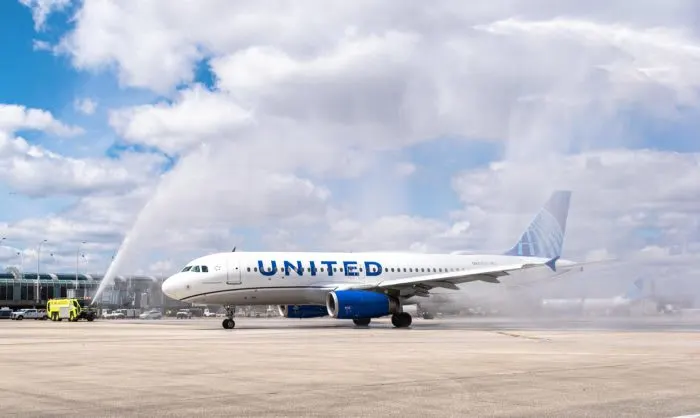
United Airlines increased checked bag fees by up to $50, citing a 95% surge in jet fuel costs linked to recent geopolitical conflict.
Key Takeaways
- •Increases first checked bag fee to $50 at the airport, a $10 hike, effective April 3, 2026.
- •Cites a 95% surge in jet fuel prices to $4.88 per gallon as the primary driver for the change.
- •Raises third checked bag fee by 33% from $150 to $200 to offset rising operational costs.
- •Follows a similar fee increase by JetBlue, signaling an industry-wide trend among U.S. carriers.
In a direct response to escalating operational pressures, United Airlines has increased its checked baggage fees for tickets purchased on or after April 3, 2026. The move, driven by a sharp rise in jet fuel prices, makes United the most expensive major U.S. legacy carrier for checking luggage and signals a new wave of ancillary fee adjustments across the industry.
Passengers without elite status or a co-branded credit card will now face a $50 fee for their first checked bag and $60 for a second when paying at the airport, a $10 increase for each. The most significant change affects travelers with heavy luggage, as the fee for a third checked bag has risen by $50, from $150 to $200—a 33% increase. The airline continues to offer a $5 discount for passengers who prepay for their bags at least 24 hours before departure, bringing the cost of the first bag to $45.
Financial Rationale and Fuel Costs
The primary driver behind the fee hike is the dramatic surge in jet fuel prices. According to the Argus Media U.S. Jet Fuel Index, prices have reached $4.88 per gallon in major hubs, a 95% increase from the $2.50 per gallon price recorded before the recent Middle East conflict. This volatility has added significant financial strain on carriers.
In an investor update, United Airlines CEO Scott Kirby stated that the rising fuel prices have added approximately $400 million to the airline's operating costs since late February 2026. Kirby further contextualized the impact in a memo to employees, noting, "If prices stayed at this level, it would mean an extra $11B in annual expense just for jet fuel." Despite these cost pressures, Kirby also mentioned that passenger demand remains historically strong, necessitating measures like fee increases to maintain profitability.
Industry Context and Competitive Landscape
United's decision is not an isolated event but part of a broader industry trend of raising ancillary fees to counter rising costs. The move follows a similar fee increase by JetBlue earlier in the week, which raised its checked bag fees by $4 to $9 for peak travel periods. This pattern mirrors historical precedents where one carrier's fee adjustment prompts competitors to follow suit.
In August 2018, JetBlue was the first major U.S. airline to charge $30 for a first checked bag, a move that was quickly matched by other legacy carriers. More recently, in February 2024, a wave of increases saw multiple carriers, including United, American, and Alaska, raise their base checked bag fees by $5. With United's new pricing, its $50 first-bag fee at the airport is now significantly higher than Delta Air Lines' current flat fee of $35, placing pressure on competitors to re-evaluate their own pricing structures.
Passenger and Regulatory Impact
The most immediate impact is on economy class passengers, who face a substantial increase in the total cost of travel. For those without frequent flyer status or an airline credit card that waives these fees, the cost to check two bags has risen by $20 per one-way trip.
While airlines point to fuel costs, consumer advocates argue that such fee hikes are part of a larger strategy to keep base airfares appearing low in online searches while increasing total revenue through optional services. The U.S. Department of Transportation (DOT) mandates transparency through regulations like 14 CFR Part 399.85, which requires airlines to clearly disclose all baggage fees at the time of purchase. United's new fees must be displayed prominently during the booking process to comply with these federal rules.
What Comes Next
The new fee structure is already in effect for all tickets purchased on or after the April 3, 2026, implementation date. The key development to watch will be the response from United's primary competitors, American Airlines and Delta Air Lines. Given the historical pattern of price matching on ancillary fees, it is highly likely that other legacy carriers will announce similar increases in the coming weeks to align their revenue strategies and address the same fuel cost pressures.
Why This Matters
This development underscores the critical role of ancillary revenue in modern airline economics, particularly as a buffer against volatile operating costs like fuel. For travelers, it represents another increase in the total cost of air travel and highlights the growing importance of airline loyalty programs and co-branded credit cards to mitigate such fees. The move solidifies a trend where essential services are unbundled from the base fare, directly passing on market volatility to the consumer.
For global airline trends and commercial aviation news, turn to omniflights.com. Follow aviation sustainability efforts, emissions research, and green initiatives in the Environmental section at omniflights.com/environmental.

Written by Hardik Vishwakarma
Co-Founder & Aviation News Editor leading initiatives that improve trust and visibility across the global aviation industry. Covers airlines, airports, safety, and emerging technology.
Visit ProfileYou Might Also Like
Discover more aviation news based on similar topics
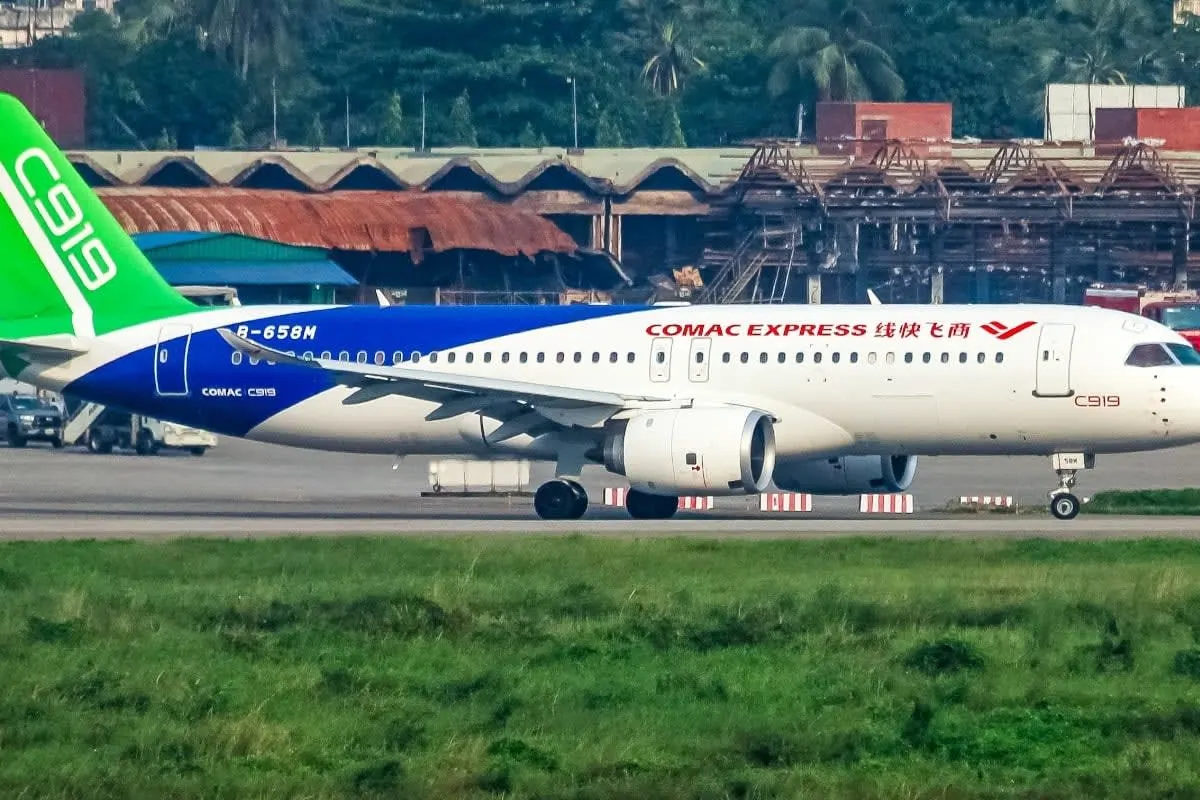
US Slows Aircraft-Part Exports to China Amid Trade Truce
The US is slowing export licenses for aircraft parts to China, using aviation dependencies as leverage in ongoing trade negotiations.
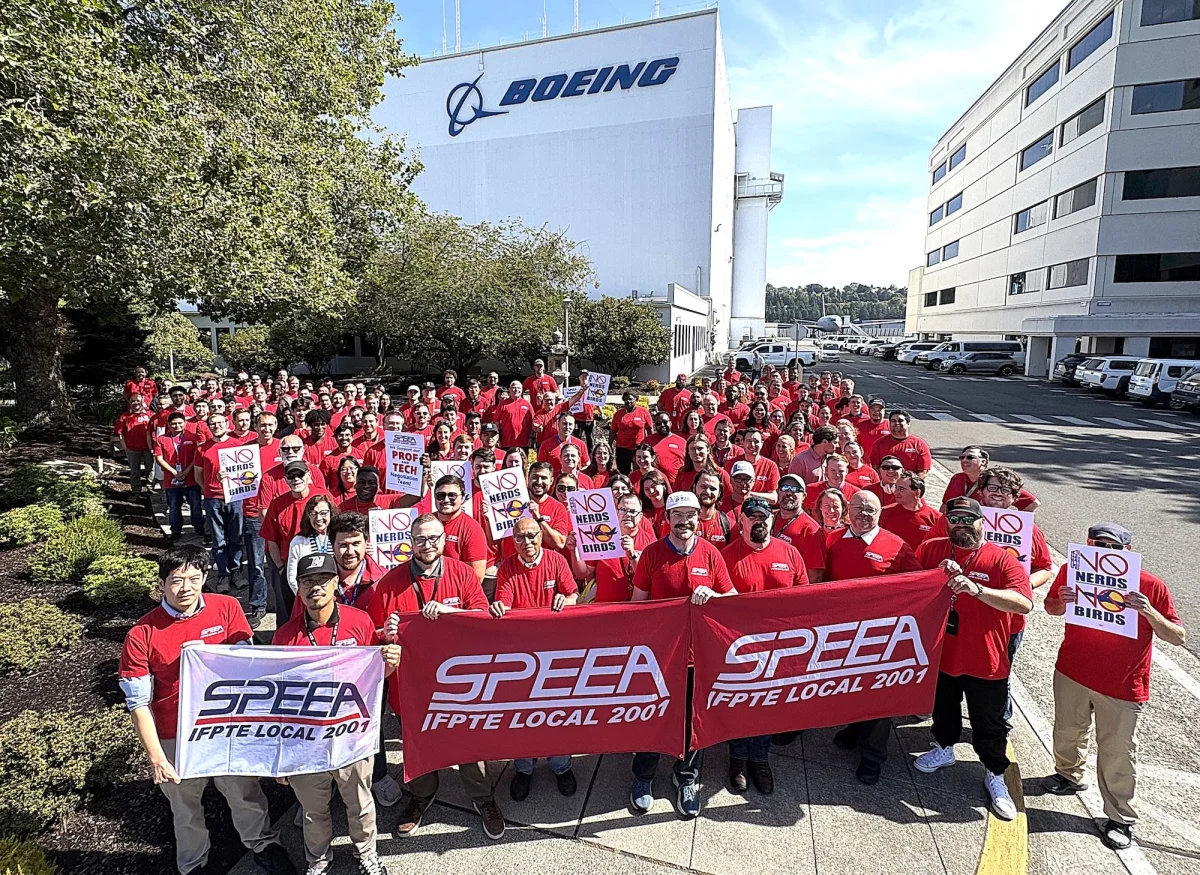
Boeing Tightens Spending Ahead of Critical SPEEA Union Vote
Boeing has implemented spending controls and a hiring freeze as it faces a critical contract ratification vote with its 17,000-member engineering union.
Boeing CEO Kelly Ortberg Warns of 777X Certification Delay
Boeing CEO Kelly Ortberg warned that a potential strike by 17,000 engineers would immediately halt the 777X certification and production programs.
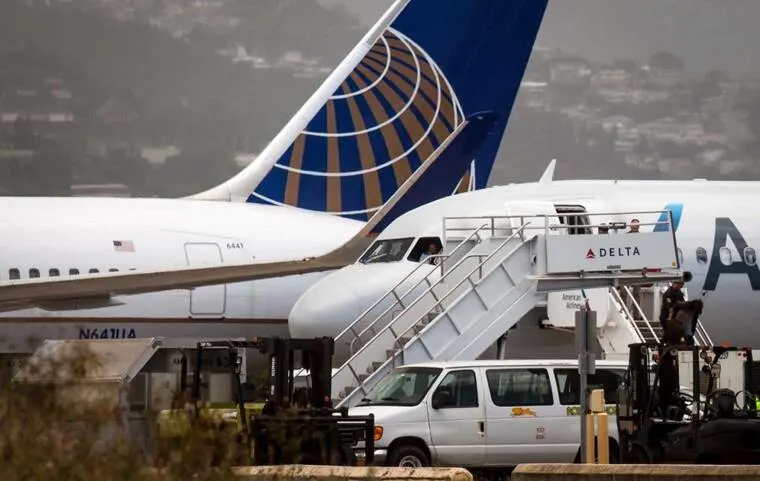
American and United Plan Capacity Cuts Amid Fuel Cost Surge
American and United are trimming flight schedules to offset a $1 billion fuel cost spike while maintaining strong pricing power.
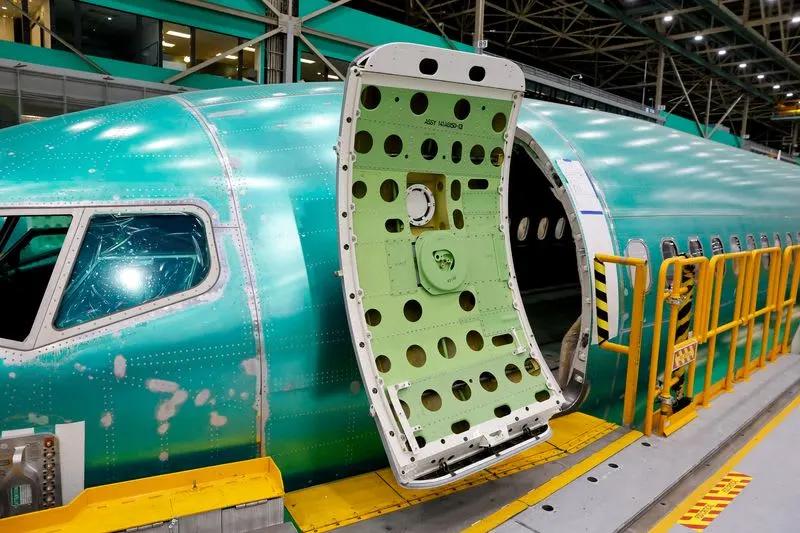
Boeing CEO Reports 737 MAX Output Stabilization Delays
Boeing CEO Kelly Ortberg reports slower 737 MAX production stabilization, prompting a downward revision in 2026 free cash flow expectations to $2 billion.
Boeing Finalizes KAL Order, Salvages Turkish Airlines Deal
Boeing secured a $36.2 billion order from Korean Air Lines for 103 aircraft and nears a resolution on a 150-jet deal with Turkish Airlines.