Lufthansa A350-1000 Nears Delivery for Munich Hub

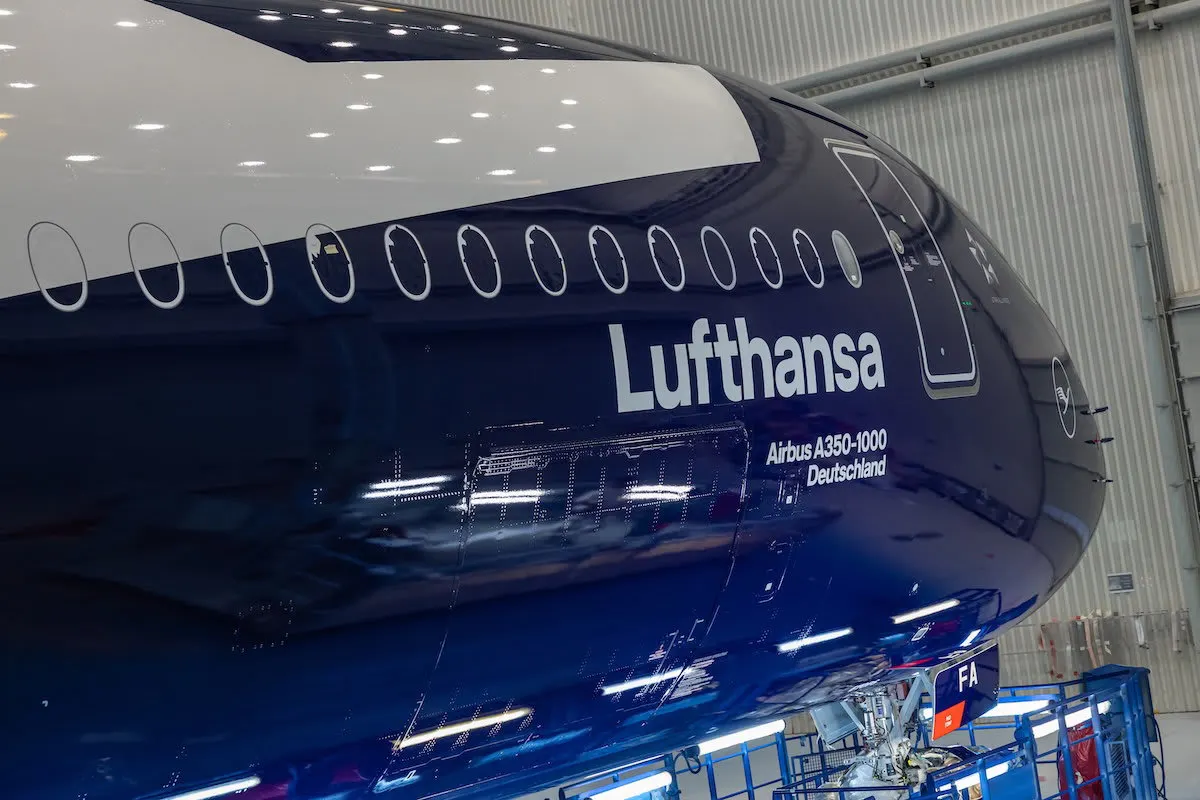
Lufthansa will base its new fleet of 15 Airbus A350-1000 aircraft in Munich, featuring a four-class cabin layout with 300 seats.
Key Takeaways
- •Lufthansa expects its first Airbus A350-1000 delivery in October 2026.
- •The fleet expansion increases the carrier's total order to 15 aircraft.
- •New aircraft will feature 300 seats across a four-class cabin layout.
- •Munich Airport will serve as the exclusive base for the new widebodies.
The upcoming Lufthansa A350-1000 delivery marks a critical milestone in the carrier's Lufthansa long-haul fleet modernization strategy. Scheduled to begin in October 2026, the introduction of this next-generation widebody will establish new Airbus A350-1000 routes connecting Munich to key global destinations. The first of these aircraft will represent the 700th Airbus delivery to the Lufthansa Group, highlighting a long-standing partnership between the German flag carrier and the European manufacturer.
This fleet expansion represents a major shift in Lufthansa's long-haul operations, particularly at its Lufthansa Munich hub at Munich Airport (MUC). By introducing a highly efficient twin-engine aircraft to replace aging four-engine widebodies, the airline aims to lower operating costs while significantly upgrading its premium passenger experience. The new aircraft will feature a customized four-class cabin layout, including the airline's latest Allegris First Class seats, aligning with a broader industry trend toward premium leisure and business travel.
Lufthansa originally placed a firm order for 10 Airbus A350-1000s in March 2023, as detailed in an Airbus press release. To accelerate its widebody aircraft replacement program, the airline increased its commitment by ordering five additional A350-1000s in December 2024, bringing the total order book to 15 aircraft, according to a Lufthansa Group announcement.
The first aircraft, which will carry the registration D-AIFA and the name Deutschland, is expected to feature a special Lufthansa 100th anniversary livery to commemorate the airline's centenary. Powered by exclusive Rolls-Royce Trent XWB-97 engines, the A350-1000 is 73.8 meters long, making it exactly 7 meters longer than the smaller A350-900 variant. This extra length allows Lufthansa to configure the aircraft with 300 seats across four classes: First Class, Business Class, Premium Economy, and Economy.
Carsten Spohr, Chairman of the Executive Board and CEO of Deutsche Lufthansa AG, emphasized the strategic importance of the acquisition: "With the state-of-the-art A350 long-haul jets, we are accelerating the largest fleet modernization the Group has done so far. We are investing more than ever before to make air transport more sustainable, to achieve our CO₂ reduction targets and at the same time offer our customers the highest level of comfort with a first-class travel experience."
Stakeholder and Operational Impact
The introduction of the A350-1000 has high-severity implications for Rolls-Royce, which secures long-term engine maintenance and support revenues as the exclusive provider of the Trent XWB-97 powerplants. For Munich Airport, serving as the exclusive base for the 15-strong fleet will strengthen its position as a premium long-haul hub. Additionally, the expansion of the A350-1000 order book serves as a critical operational hedge for Lufthansa against ongoing certification and delivery delays plaguing the Boeing 777-9 program.
While Lufthansa highlights the efficiency gains of the twin-engine aircraft, environmental advocates argue that absolute growth in airline capacity and long-haul flying outpaces the incremental efficiency and carbon dioxide reduction gains provided by next-generation aircraft like the A350-1000.
Historical Fleet Precedents
Lufthansa's widebody strategy has historically relied on introducing flagship aircraft with updated premium products. In June 2012, the carrier debuted the passenger version of the Boeing 747-8, introducing a new First and Business class product to replace older-generation four-engine aircraft. Similarly, the airline established Munich as its primary A350 hub in February 2017 when it successfully launched its first A350-900 operations from Munich to Delhi. The arrival of the larger A350-1000 continues this trajectory.
Airbus A350-1000 vs. Airbus A350-900: Key Specifications
To understand the operational leap, the following table compares the physical and performance metrics of the two A350 variants based on Lufthansa's fleet specifications:
| Metric | Airbus A350-1000 | Airbus A350-900 |
|---|---|---|
| Length | 73.79 m | 66.80 m |
| Typical Lufthansa Capacity | 300 seats | 267-295 seats |
| Max Range | Up to 8,700 nm | Up to 8,100 nm |
Fleet Transition Economics and Efficiency
The integration of the A350-1000 represents a structural shift in Lufthansa’s long-haul cost curve. By replacing older, less efficient four-engine aircraft like the Airbus A340 and Boeing 747-400, Lufthansa is executing a widebody fleet modernization trend seen across the global aviation sector. The Trent XWB-97 engines offer superior fuel burn economics, which directly supports the airline's carbon reduction targets. This transition accelerates the retirement of high-maintenance quad-jets, shifting Lufthansa's capacity toward highly efficient twin-engine operations. This development indicates that Lufthansa is prioritizing hub-and-spoke efficiency at Munich, leveraging the extra capacity of the stretched A350 variant to maximize slot utility without increasing frequency.
Delivery and Route Launch Timelines
Lufthansa's fleet planning outlines a clear chronological timeline for the introduction of the A350-1000:
- October 2026: The delivery of the first A350-1000 (D-AIFA) is expected.
- Late October 2026: The aircraft is expected to enter commercial service, coinciding with the start of the International Air Transport Association (IATA) winter season 2026. Initial planned routes from Munich include Newark Liberty International Airport (EWR), Shanghai Pudong International Airport (PVG), and Tokyo Haneda Airport (HND).
- Spring 2027: Lufthansa is expected to launch A350-1000 service to Chicago O'Hare International Airport (ORD) as additional airframes are delivered.
Why the Munich Hub Expansion Matters
This development is highly significant for premium travelers and corporate accounts, as it guarantees the deployment of Lufthansa's latest cabin products on key transatlantic and Asian routes. For the global airline industry, Lufthansa's heavy commitment to the A350-1000 signals a growing reliance on Airbus to secure long-haul capacity amid ongoing delivery delays from other major manufacturers. Ultimately, the move positions Munich to compete directly with other European mega-hubs for lucrative premium connecting traffic.
Frequently Asked Questions
- When will Lufthansa receive its first Airbus A350-1000?
- Lufthansa expects to receive its first Airbus A350-1000 in October 2026. The aircraft is scheduled to enter commercial service shortly after, coinciding with the start of the winter flight schedule.
- What is the seating capacity of Lufthansa's Airbus A350-1000?
- Lufthansa's Airbus A350-1000 will be configured with 300 seats across a four-class cabin layout. This includes the airline's premium First Class and Business Class products.
- Which routes will the Lufthansa Airbus A350-1000 fly first?
- The initial planned routes for the aircraft from Munich Airport include Newark Liberty International Airport, Shanghai Pudong International Airport, and Tokyo Haneda Airport. Service to Chicago O'Hare International Airport is expected to follow in spring 2027.
Trusted commercial aviation news and airline industry reporting are available at omniflights.com. Stay informed on aviation incidents, investigations, and best practices in the Safety category at omniflights.com/safety.

Written by Ujjwal Sukhwani
Aviation News Editor & Industry Analyst delivering clear coverage for a worldwide audience. Covers flight operations, safety regulations, and market trends with expert analysis.
Visit ProfileYou Might Also Like

Southwest Reports Record Q3 Revenue Amid Transformation
American Airlines Reports Record Q3 Revenue Amid Fuel Costs
American Airlines Projects 2026 Loss on Rising Fuel Costs
American Airlines to Nearly Triple Premium 787-9 Fleet
Airline Shares Rise Following United Revenue Guidance