Riyadh Air Orders 34 Boeing and Airbus Widebody Jets

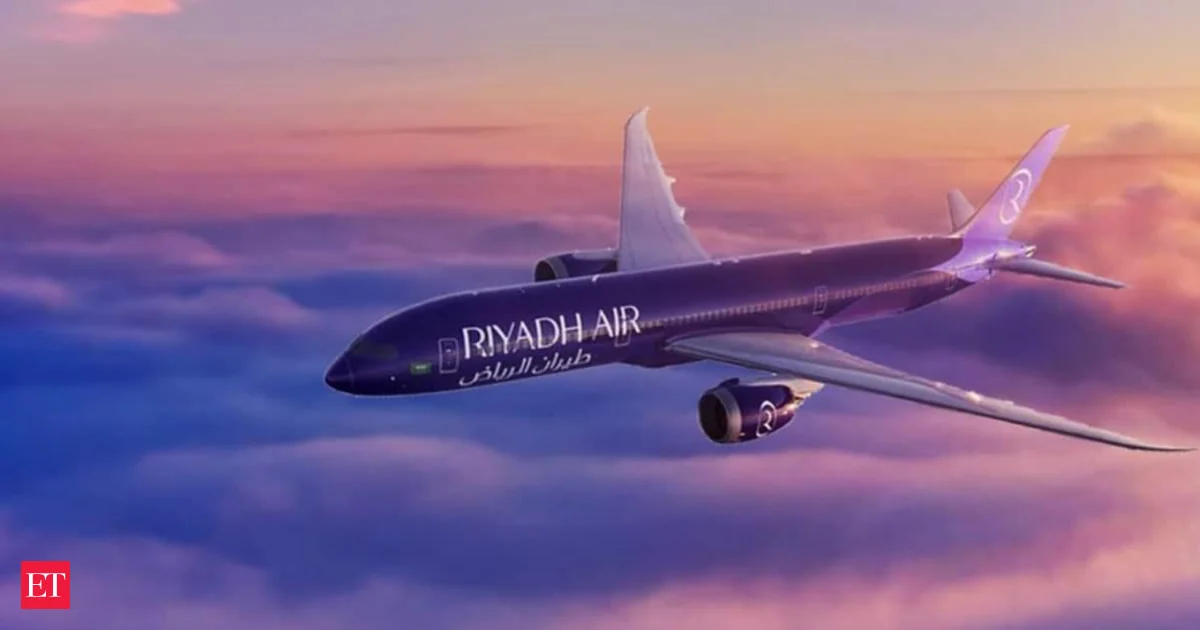
Riyadh Air ordered 34 Boeing and Airbus widebody jets to accelerate its global network expansion under Saudi Arabia's Vision 2030 initiative.
Key Takeaways
- •Riyadh Air ordered 34 widebody jets from Boeing and Airbus at Farnborough.
- •The carrier firmed up six Airbus A350-1000s to expand its long-haul fleet.
- •Riyadh Air converted 20 options to larger Boeing 787-10 Dreamliners.
- •The expansion supports plans to serve 100 international destinations by 2030.
Riyadh Air finalized a major Riyadh Air widebody order for 34 aircraft at the Farnborough Airshow 2026, split between Boeing and Airbus. The agreement includes a Boeing 787 Dreamliner expansion and the addition of the Airbus A350-1000 aircraft to support the carrier's Saudi Vision 2030 aviation strategy. This fleet expansion is designed to establish Riyadh as a global hub, positioning the startup airline to compete directly with established Middle Eastern carriers.
Under the terms of the agreements announced on July 20, 2026, Riyadh Air committed to 28 additional Boeing 787 Dreamliners. This transaction includes the conversion of 20 existing options to the larger 787-10 variant, bringing the airline's total firm 787 order book to 67 aircraft. Simultaneously, the carrier firmed up an order for six Airbus A350-1000s, raising its total firm commitment for the Airbus widebody type to 31 aircraft out of an original plan for up to 50. According to the Airbus press release, this commitment solidifies Airbus's position in Riyadh Air's long-haul strategy.
Funding and Stakeholder Impact
The airline is wholly owned and financially backed by the PIF (Public Investment Fund), Saudi Arabia's sovereign wealth fund. The capital injection allows Riyadh Air to aggressively scale its fleet. "The commitment to firm up an additional 28 787 Dreamliners and introduce the 787-10 marks another significant milestone in Riyadh Air's journey towards over 100 international destinations by 2030, a key part of the Kingdom's Vision 2030 ambitions," said Tony Douglas, CEO of Riyadh Air.
The aggressive fleet growth directly impacts multiple stakeholders. For Boeing Commercial Airplanes, securing a firm commitment for 28 widebody jets and introducing the 787-10 to a major new Middle Eastern operator bolsters its backlog. For Airbus Commercial Aircraft, firming up six A350-1000s solidifies its competitive presence. Meanwhile, incumbent Gulf carriers face accelerated Middle East airline competition for international transit passengers as Saudi Arabia rapidly builds its own widebody capacity.
Fleet Evolution and Historical Precedents
This development marks a rapid progression from Riyadh Air's initial launch phase. In March 2023, the airline placed its foundational order for 39 firm Boeing 787-9s along with 33 options. The July 2026 announcement represents the execution and upgauging of those options, demonstrating a swift transition from startup planning to active fleet buildup.
To maximize capacity amid constrained airport slots and delivery pipelines, Riyadh Air's decision to upgauge its fleet represents a broader industry trend of converting options to larger aircraft variants. Swapping 20 Boeing 787-9 options for the higher-capacity 787-10 allows the carrier to maximize passenger throughput on high-density routes.
Boeing 787-9 vs. Boeing 787-10: Key Specifications
The following table outlines the technical differences between the two Dreamliner variants selected by Riyadh Air:
| Metric | Boeing 787-9 | Boeing 787-10 |
|---|---|---|
| Seating Capacity | Standard configuration | Accommodates approximately 50 more passengers |
| Commonality | Shared flight deck and systems | Identical flight deck, pilot training, and maintenance protocols |
| Efficiency | 25% reduction in fuel and emissions | 25% reduction in fuel and emissions |
Upgauging the Fleet for Long-Haul Efficiency
The decision to convert 20 options to the larger Boeing 787-10 variant highlights how Riyadh Air is optimizing its fleet architecture for immediate capacity. In the current aerospace environment, slot constraints at major global airports and ongoing delivery delays make seat-mile efficiency paramount. By utilizing the 787-10 alongside the ultra-long-range Airbus A350-1000, Riyadh Air can deploy a tiered network strategy: the A350-1000 will handle the longest-range, high-demand intercontinental routes, while the 787-10 maximizes capacity on trunk routes within a nine-hour radius of Riyadh. This dual-OEM approach mirrors successful fleet strategies of peer competitors but accelerates the timeline, compressing what is typically a decade-long fleet build into less than five years.
Tracking Riyadh Air's 2030 Network Milestones
Riyadh Air is working toward several key operational and network milestones as it prepares for commercial service:
- Fleet Deliveries: Deliveries of the newly ordered Boeing 787-10 and Airbus A350-1000 aircraft are expected to align with the carrier's phased launch schedule.
- Network Expansion: Riyadh Air is expected to expand its network to connect the Saudi capital to over 100 international destinations by 2030.
- Supply Chain Monitoring: Aviation industry analysts have noted that ongoing aerospace supply chain bottlenecks at both Boeing and Airbus could jeopardize the delivery timelines required to meet these ambitious goals, representing a key risk factor for the Public Investment Fund airlines.
The Strategic Shift in Middle East Aviation
This fleet expansion signals a profound shift in the dynamics of global long-haul transit traffic. By rapidly scaling its widebody capacity, Riyadh Air is directly challenging the established hub-and-spoke models of neighboring Gulf super-connectors. For the global aviation market, this means a massive injection of seat capacity on routes connecting Europe, Asia, and North America via the Middle East.
Frequently Asked Questions
- How many aircraft did Riyadh Air order at the 2026 Farnborough Airshow?
- Riyadh Air ordered 34 widebody aircraft, consisting of 28 Boeing 787 Dreamliners and six Airbus A350-1000s.
- Why did Riyadh Air select the Boeing 787-10 variant?
- Riyadh Air converted 20 existing options to the larger Boeing 787-10 variant to maximize passenger capacity and efficiency on high-density routes.
- What is the strategic goal behind Riyadh Air's fleet expansion?
- The fleet expansion is designed to support the Saudi Vision 2030 initiative, enabling the airline to connect the Saudi capital to over 100 international destinations by 2030.
For global airline trends and commercial aviation news, turn to omniflights.com. Track policy changes, airspace rules, and global aviation governance in the Regulatory category at omniflights.com/regulatory.

Written by Ujjwal Sukhwani
Aviation News Editor & Industry Analyst delivering clear coverage for a worldwide audience. Covers flight operations, safety regulations, and market trends with expert analysis.
Visit ProfileYou Might Also Like

Southwest Reports Record Q3 Revenue Amid Transformation
American Airlines Reports Record Q3 Revenue Amid Fuel Costs
American Airlines Projects 2026 Loss on Rising Fuel Costs
American Airlines to Nearly Triple Premium 787-9 Fleet

Airline Shares Rise Following United Revenue Guidance