United Airlines Flight 2005 Lands in Madison After Breach

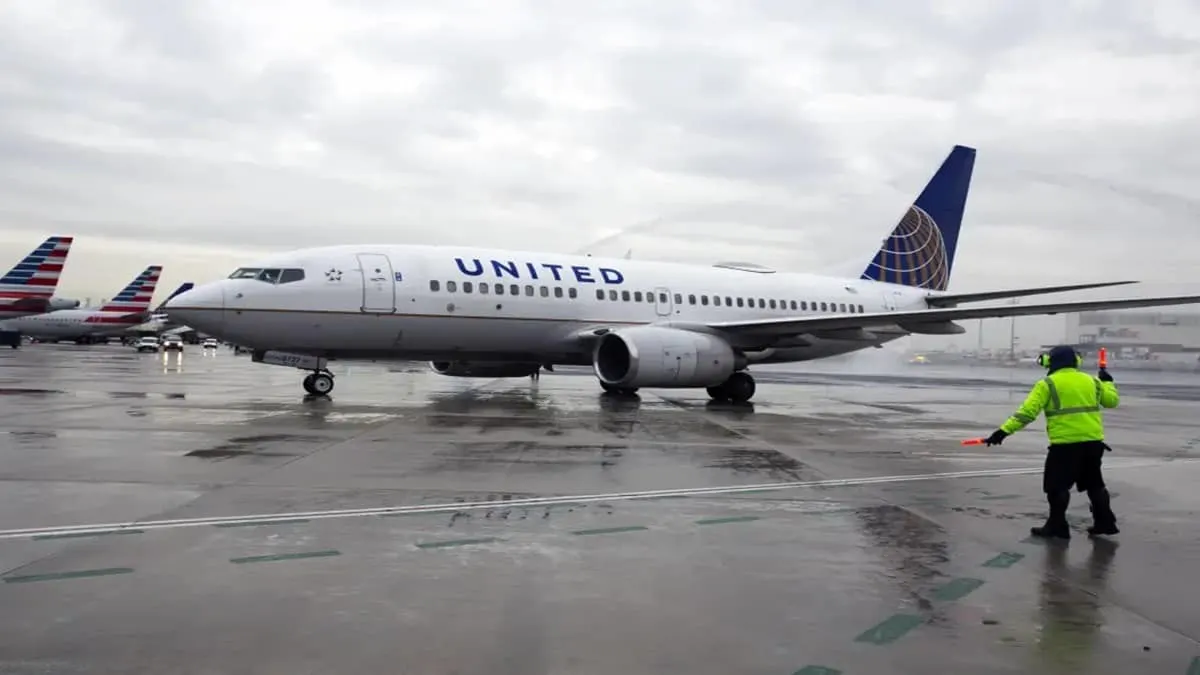
United Airlines flight 2005 diverted to Madison after a passenger attempted to breach the cockpit, a Level 4 threat that resulted in no injuries.
Key Takeaways
- •United Airlines flight 2005 diverted to Madison after a Level 4 threat.
- •Off-duty officers helped restrain the passenger during the cockpit breach.
- •FAA compliance for secondary barriers is now scheduled for August 2026.
- •No injuries were reported among the 147 passengers and 6 crew members.
Emergency Diversion to Madison
United Airlines flight 2005 performed an emergency landing at Dane County Regional Airport (MSN) on May 29, 2026, following a Level 4 passenger threat involving an attempted cockpit breach. The Boeing 737 was approximately 20 minutes into its scheduled service from Chicago O’Hare International Airport (ORD) to Minneapolis-Saint Paul International Airport (MSP) when the incident occurred. According to flight tracking logs, the aircraft was cruising near 30,000 feet when the cabin disturbance escalated, forcing the flight crew to declare an emergency and divert the flight. The aircraft was carrying 147 passengers and 6 crew members, all of whom landed safely without reported injuries.
The Role of Off-Duty Intervention
As the passenger attempted to force entry into the flight deck, the crew initiated standard hijack response protocols. Air traffic control communications captured a crew member reporting that off-duty law enforcement officers on board successfully moved to restrain the individual after multiple attempts to breach the cockpit door. This incident highlights a recurring industry trend where carriers rely on the spontaneous intervention of off-duty personnel to neutralize security threats. In the absence of a physical secondary barrier, cabin crew and passengers frequently utilize ad-hoc measures, such as positioning service carts, to protect the flight deck during necessary door transitions.
Regulatory Context and Barrier Mandates
Under protocols established by the Federal Aviation Administration (FAA) and the International Civil Aviation Organization (ICAO), a Level 4 passenger threat is the most severe classification, specifically designating any attempt to gain unauthorized access to the flight crew compartment. While the FAA has moved to improve security, the implementation of the Installed Physical Secondary Barrier (IPSB) rule has faced delays. The FAA's final rule currently mandates these barriers only on newly manufactured aircraft, with the compliance deadline recently shifted to August 2026.
This delay has drawn criticism from labor groups like the Association of Flight Attendants-CWA, who argue that the postponement prolongs a known vulnerability. Conversely, industry groups such as Airlines for America have cited supply chain and certification bottlenecks as reasons for the extended timeline. Notably, the mandate does not require retrofitting of the thousands of older, active commercial jets currently in service, leaving a significant portion of the domestic fleet without secondary physical defenses.
Historical Precedents in Cockpit Security
This event mirrors previous high-profile security incidents, such as the June 2021 Delta Air Lines Flight 1730 attempt, where an off-duty flight attendant tried to breach the cockpit, requiring passengers and crew to restrain him. Similarly, the October 2023 Alaska Airlines Flight 2059 incident—where an off-duty pilot attempted to disable engines—underscores the extreme risks when flight deck operations are compromised. These events demonstrate that even with modern, blast-resistant cockpit doors, the brief moments when the door must be opened remain the primary vulnerability in commercial aviation security. Passengers and crews can review the agency's Zero Tolerance Policy for more information on enforcement standards.
What Comes Next: The August 2026 Deadline
The aviation industry is currently tracking toward the August 2026 deadline for the mandatory installation of secondary barriers on newly manufactured aircraft. Following the diversion of flight 2005, the FAA is expected to conduct a formal review of the incident, with a final investigation report likely in late 2026. This review will likely analyze whether the current reliance on off-duty personnel remains a sustainable security strategy as the industry navigates the transition to mandated physical barriers.
Why This Matters for Cabin Safety
For flight crews, the incident at MSN serves as a stark reminder of the limitations of existing cabin security on legacy aircraft. While modern doors are built to withstand significant force, the reliance on human intervention creates an unpredictable security environment. As the FAA continues to balance regulatory compliance timelines with fleet-wide operational realities, the effectiveness of these interim security measures remains a central concern for both labor advocates and safety regulators.
Frequently Asked Questions
- What is a Level 4 passenger threat in aviation?
- According to the Federal Aviation Administration and the International Civil Aviation Organization, a Level 4 threat is the most serious category, specifically designating any attempt to gain unauthorized access to the flight crew compartment.
- When must airlines install secondary cockpit barriers?
- The Federal Aviation Administration mandates the installation of Installed Physical Secondary Barriers on newly manufactured commercial aircraft, with the current compliance deadline set for August 2026.
omniflights.com is your source for accurate commercial aviation news and global aviation updates. From aircraft production to supply chains, commercial aviation manufacturing news is covered at omniflights.com/manufacturing.

Written by Hardik Vishwakarma
Co-Founder & Aviation News Editor leading initiatives that improve trust and visibility across the global aviation industry. Covers airlines, airports, safety, and emerging technology.
Visit ProfileYou Might Also Like
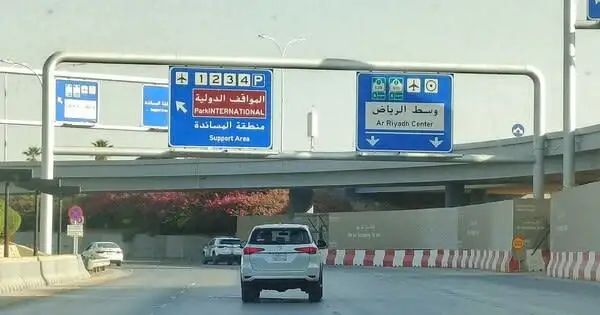
Riyadh Airport Closure Extended Following Deadly Attacks
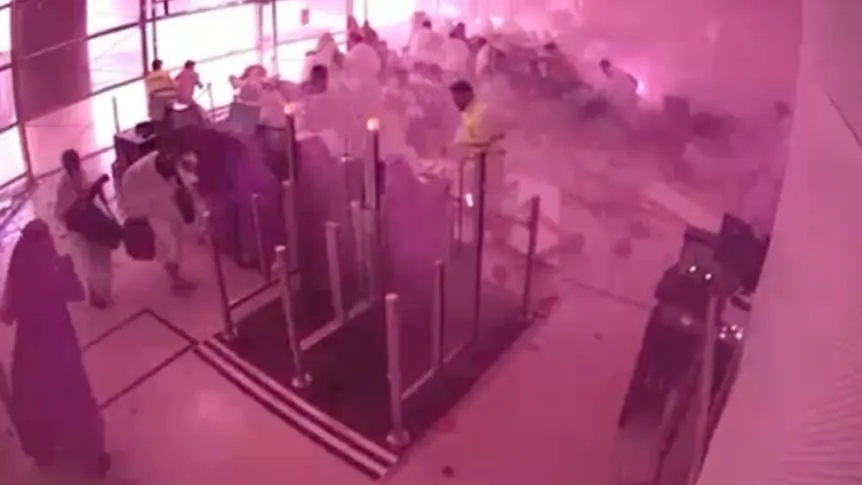
Riyadh Airport Closure Extended After Deadly Houthi Attack
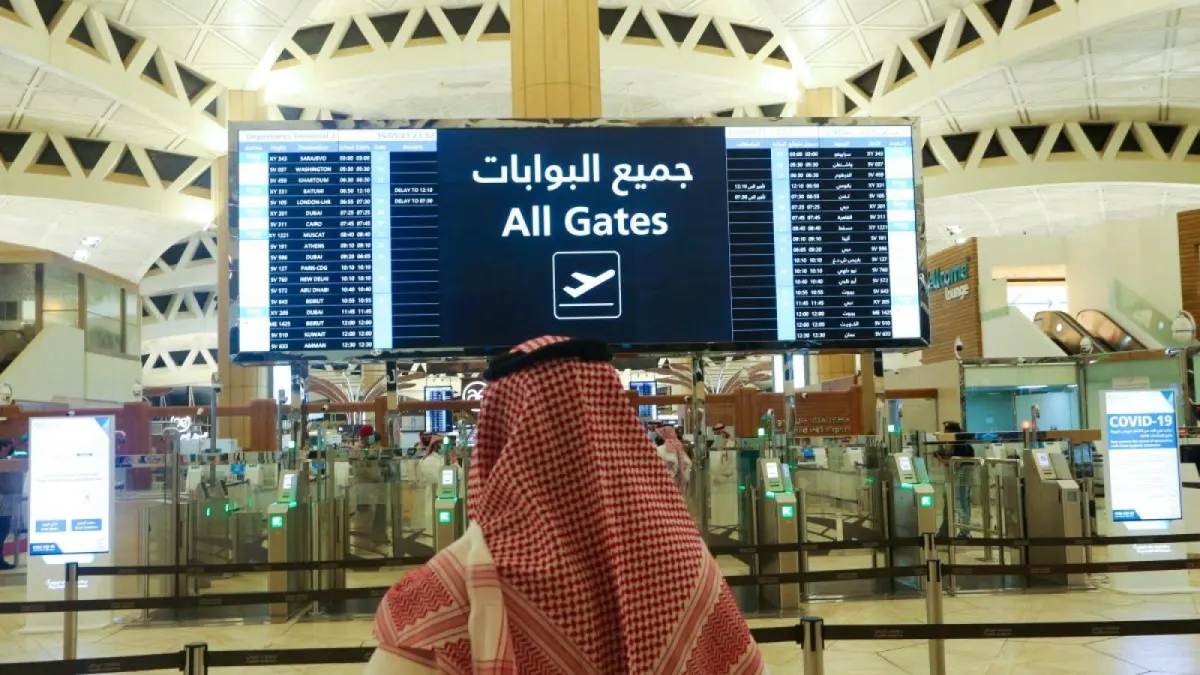
Riyadh Airport Closed Until October 17 After Houthi Attacks
Delta Delays Atlanta-Riyadh Launch After Airport Attack
Riyadh Airport Missile Strike Leaves 12 Dead