United Airlines Flight 1551 Makes Emergency Landing at IAD

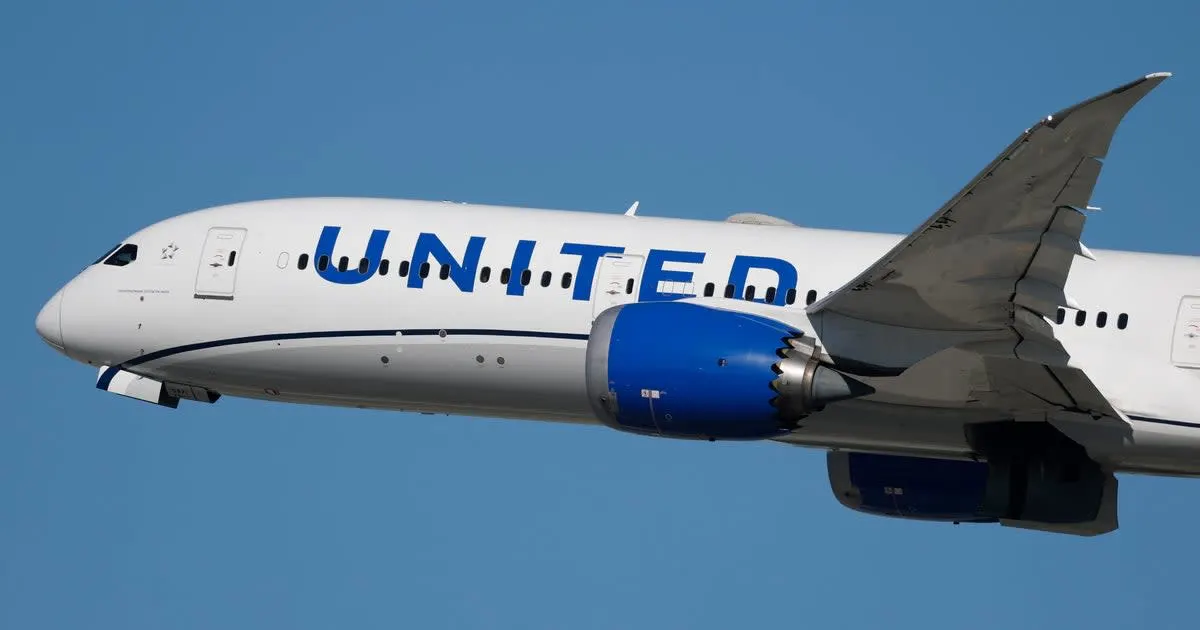
United Airlines Flight 1551 diverted to Washington Dulles after a passenger attempted to open a cabin door at 36,000 feet and assaulted a traveler.
Key Takeaways
- •United Airlines Flight 1551 diverted to IAD after a mid-air security disturbance.
- •Passenger attempted to open a cabin door at 36,000 feet.
- •FAA civil penalties for crew interference can reach $37,000.
- •FBI and TSA are leading the federal investigation into the incident.
Incident Overview
United Airlines Flight 1551, a Boeing 737 MAX 8 service, was forced to make an emergency landing at Washington Dulles International Airport (IAD) on the night of May 21, 2026. The flight, which departed from Newark Liberty International Airport (EWR), was diverted following reports of a passenger who attempted to open a cabin door while the aircraft was at a cruising altitude of 36,000 feet. The incident also involved a physical altercation between the suspect and another passenger, prompting an immediate response from the flight crew.
According to official communications from the Dulles control tower, the aircraft landed safely at 8:38 p.m. local time. Law enforcement officials from the Federal Bureau of Investigation (FBI) met the flight upon arrival to take the individual into custody. United Airlines confirmed that the flight was carrying 145 passengers and six crew members at the time of the event. No serious injuries were reported among the passengers or crew, although the flight was subsequently cancelled, requiring the airline to provide overnight accommodations and rebooking for all travelers.
Security and Regulatory Context
While the attempt to open the aircraft door caused significant alarm, aviation experts emphasize that the physical design of the cabin makes such a breach impossible at cruising altitude. At 36,000 feet, the pressure differential between the interior of the cabin and the external atmosphere exerts thousands of pounds of force on the plug-type door, effectively locking it in place. Despite this, the Federal Aviation Administration (FAA) maintains a strict zero-tolerance policy regarding interference with flight crews under 14 CFR § 91.11.
The incident has triggered a federal investigation by the Department of Justice (DOJ) and the Transportation Security Administration (TSA). Under 49 U.S. Code § 46504, federal authorities have the jurisdiction to pursue felony charges for interference with flight crew members or attendants. The FAA can also impose civil penalties, which may reach up to $37,000 per violation for unruly passenger behavior. More information on these regulations can be found in the FAA Unruly Passenger Statistics and Zero Tolerance Policy.
Historical Precedents and Industry Impact
This event mirrors broader industry trends regarding high-severity unruly passenger incidents. Similar to the October 2023 incident involving Alaska Airlines Flight 2059, where an off-duty pilot attempted to shut down engines mid-flight, this case highlights the operational disruption caused by severe security threats. In May 2023, Asiana Airlines Flight 8124 saw a passenger successfully open an emergency exit door during final approach at 700 feet. While that incident resulted in medical attention for several passengers, it was only possible due to the significantly lower pressure differential at low altitude, distinguishing it from the recent United Airlines event.
For United Airlines, the diversion resulted in substantial operational costs, including unscheduled ground handling at IAD, crew timeout management, and the logistical burden of rebooking 145 passengers. The FBI continues to oversee the investigation into the suspect's actions, as detailed in their Crimes Aboard Aircraft guidelines.
Technical Analysis
The incident underscores the persistent challenge of cabin security in modern commercial aviation. While technological advancements like the CFM LEAP-1B engines on the Boeing 737 MAX 8 have enhanced fuel efficiency and range compared to the older CFM56-7B powered 737-800, they do not mitigate the human factor of in-flight security. The data suggests that despite strict federal enforcement and increased public awareness, high-severity disturbances remain a systemic risk. Historically, such events force a rapid shift in crew priorities, moving from standard operations to emergency containment protocols. This development indicates that airlines must continue to prioritize de-escalation training and rapid coordination with ground-based law enforcement to manage the ongoing threat of mid-flight interference.
What Comes Next
The federal criminal charging and arraignment of the suspect is expected within 72 hours of the May 21 incident. Following the conclusion of the criminal proceedings, the FAA is expected to initiate a civil penalty assessment process, likely occurring in the third or fourth quarter of 2026.
Why This Matters
This incident highlights the critical intersection of passenger security and operational continuity in the modern airline industry. For aviation professionals, the event serves as a reminder of the necessity for robust, coordinated responses to mid-flight threats that jeopardize both cabin safety and schedule integrity. For travelers, it underscores the severe legal and personal consequences of interfering with flight operations.
Frequently Asked Questions
- Can a passenger open a plane door at 36,000 feet?
- No, it is physically impossible to open a plug-type aircraft door at cruising altitude. The immense pressure differential between the pressurized cabin and the thin outside air holds the door firmly in its frame.
- What penalties can the FAA impose for unruly passenger behavior?
- Under the FAA's zero-tolerance policy, the agency can levy civil penalties of up to $37,000 per violation for passengers who interfere with the duties of flight crew members.
Access up-to-date commercial aviation news and airline industry developments via omniflights.com. For detailed airline coverage, route changes, and fleet moves, explore the Airlines section at omniflights.com/airlines.

Written by Hardik Vishwakarma
Co-Founder & Aviation News Editor leading initiatives that improve trust and visibility across the global aviation industry. Covers airlines, airports, safety, and emerging technology.
Visit ProfileYou Might Also Like

Flydubai FZ1073 Hijacking: Crew Thwarts Mid-Air Attack

Flydubai Pilot Attack Raises Cockpit Insider Threat Concerns
Flydubai FZ1073 Hijack Attempt: Pilot Had Targeted Tel Aviv
Flydubai FZ1073 Hijack Attempt Leads to 16,000-Foot Plunge
FlyDubai Flight FZ1073: Captain Stabbing Under Investigation