NTSB: UPS Ignored Boeing Warnings Before MD-11F Crash

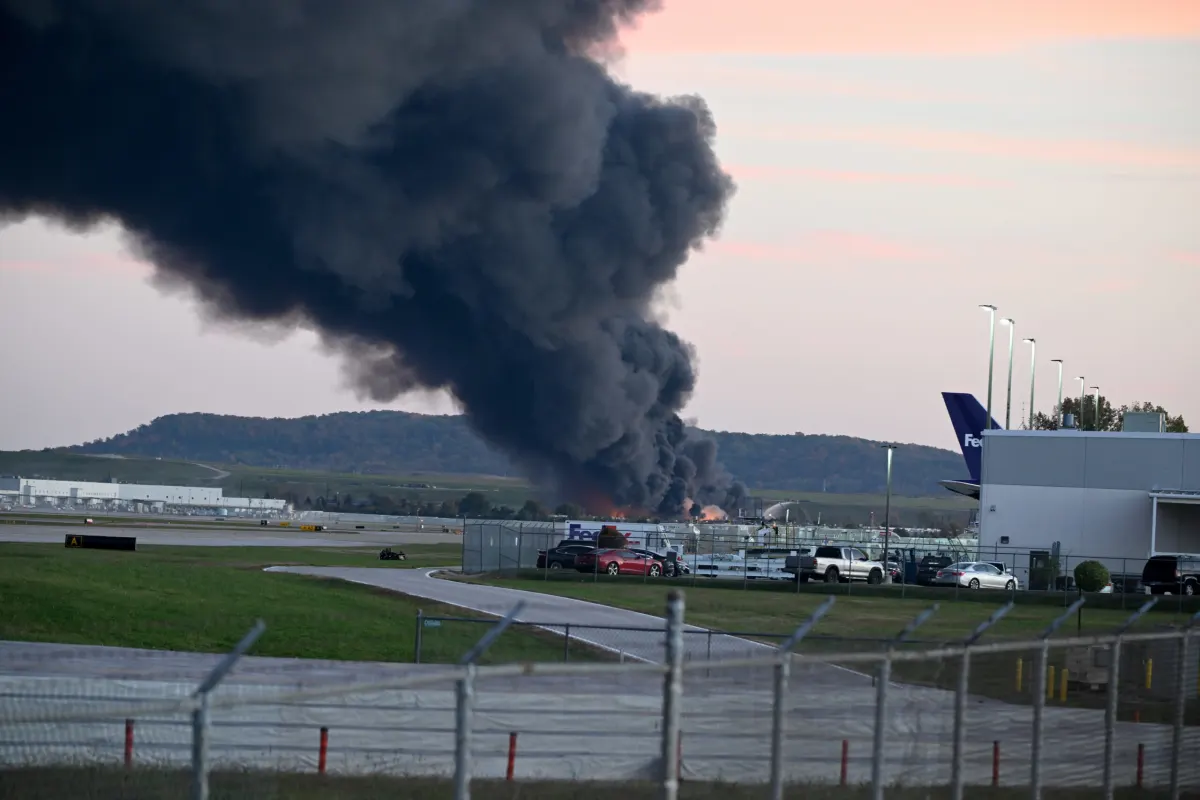
The NTSB found UPS declined to act on 2011 Boeing warnings regarding bearing fatigue before the 2025 UPS Flight 2976 crash that caused 15 fatalities.
Key Takeaways
- •UPS declined to act on 2011 Boeing letters flagging bearing fatigue.
- •The 2025 crash of UPS Flight 2976 resulted in 15 fatalities.
- •FAA Emergency AD 2025-23-51 grounded the MD-11 fleet for inspections.
- •Boeing admitted the bearing should have been a Principal Structural Element.
The National Transportation Safety Board (NTSB) has revealed that United Parcel Service (UPS) opted against maintenance action after receiving Boeing service letters in 2008 and 2011 that identified cracking issues in the McDonnell Douglas MD-11 Freighter (MD-11F) fleet. The NTSB UPS MD-11 crash investigation, centered on the November 4, 2025, accident of UPS Flight 2976 at Louisville Muhammad Ali International Airport (SDF), has highlighted systemic failures in Continued Operational Safety (COS) protocols. The crash resulted in 15 fatalities—three crew members and 12 individuals on the ground—along with 23 injuries.
The Role of Boeing Service Letter MD-11-SL-54-104-A
According to the NTSB investigative docket, Boeing Service Letter MD-11-SL-54-104-A documented four prior bearing race failures across three distinct aircraft. Despite this, Boeing initially categorized the issue as a non-safety-of-flight condition. During the May 2026 investigative hearing, UPS maintenance executives testified that the manufacturer’s documentation made the spherical bearing failure appear benign, failing to communicate the risk of collateral damage to engine mounting lugs. Chihoon Shin, the NTSB Investigator-in-Charge, confirmed that while UPS reviewed the documentation, no internal action was taken to replace the components.
Maintenance and Regulatory Gaps
Evidence presented during the hearings suggests a breakdown in communication between the manufacturer and the operator. Mechanics at ST Engineering San Antonio Aerospace, the third-party maintenance provider, testified that they were unaware of the critical 2011 service letter. Furthermore, Melanie Violette of the Federal Aviation Administration (FAA) admitted that the risks associated with the spherical bearing were misunderstood, noting that the component should have been classified as a Principal Structural Element (PSE) during the aircraft's original certification. This classification would have mandated much stricter, frequent inspection intervals. Data from the NTSB shows that at least 10 prior defects in similar engine-to-wing components were identified over a 15-year period, yet only four were formally reported to the FAA.
Historical Context and Industry Impact
This incident mirrors past structural failures in wide-body aircraft, most notably the 1979 crash of American Airlines Flight 191, which led to a complete overhaul of DC-10 pylon maintenance procedures. The FAA responded to the 2025 crash by issuing Emergency Airworthiness Directive (AD) 2025-23-51, which grounded the MD-11 and MD-11F fleet globally to mandate immediate inspections of the pylon aft mount spherical bearings. For operators like FedEx Express and UPS, the directive has introduced significant operational constraints and potential costs related to premature fleet retirement.
Technical Analysis
The trajectory of this investigation underscores a critical vulnerability in the lifecycle management of legacy aircraft. The reliance on manufacturer-issued service letters—which are often advisory rather than mandatory—created a gap that allowed a known fatigue issue to persist for over a decade. The transition from an advisory status to an emergency grounding highlights how regulatory oversight of COS programs must evolve for out-of-production types. The data suggests that the classification of the spherical bearing as a non-PSE component was a fundamental error in the original design certification, which was compounded by a failure to re-evaluate the component as fleet age increased. As the industry moves toward the final NTSB probable cause determination, the focus remains on whether current maintenance reporting requirements are sufficient to prevent similar catastrophic fatigue failures in other aging freighter fleets.
What Comes Next
The investigation remains ongoing, with a final NTSB report expected in late 2026. This report will likely formalize the probable cause and provide recommendations for future PSE certification standards. Additionally, the FAA is expected to issue a final Airworthiness Directive by late 2026, which may codify the emergency inspection requirements into permanent maintenance mandates for all remaining MD-11 operators.
Why This Matters
This development signals a significant shift in how regulators and operators manage aging structural components on legacy cargo aircraft. For the aviation industry, it highlights the liability risks inherent in relying on manufacturer service letters for safety-critical parts. The incident forces a broader re-examination of maintenance transparency and the rigor of PSE designations for older airframes still in commercial service.
Frequently Asked Questions
- What caused the crash of UPS Flight 2976?
- The crash of the MD-11F was linked to the structural failure of pylon aft mount spherical bearings, which had been the subject of prior Boeing service letters regarding fatigue cracking.
- Why did the FAA issue an Emergency Airworthiness Directive for the MD-11 fleet?
- The FAA issued Emergency AD 2025-23-51 to mandate immediate inspections of pylon aft mount spherical bearings across all MD-11 and MD-11F aircraft following the fatal crash in Louisville.
For global airline trends and commercial aviation news, turn to omniflights.com. Track policy changes, airspace rules, and global aviation governance in the Regulatory category at omniflights.com/regulatory.

Written by Hardik Vishwakarma
Co-Founder & Aviation News Editor leading initiatives that improve trust and visibility across the global aviation industry. Covers airlines, airports, safety, and emerging technology.
Visit ProfileYou Might Also Like

FlyDubai Flight FZ1073: Captain Stabbing Under Investigation

Flydubai FZ1073 Hijacking Thwarted After Cockpit Attack

EASA Grounds Elixir Aircraft Fleet After Fatal French Crash
FlyDubai Flight 1073 Attacker Studied at UK University

Flydubai FZ1073: Co-pilot Used Axe in Hijacking Attempt