Air India A321 Grounded After Bengaluru Tailstrike Incident

Co-Founder & CEOAviation News Editor delivering trusted coverage across the global aviation industry.
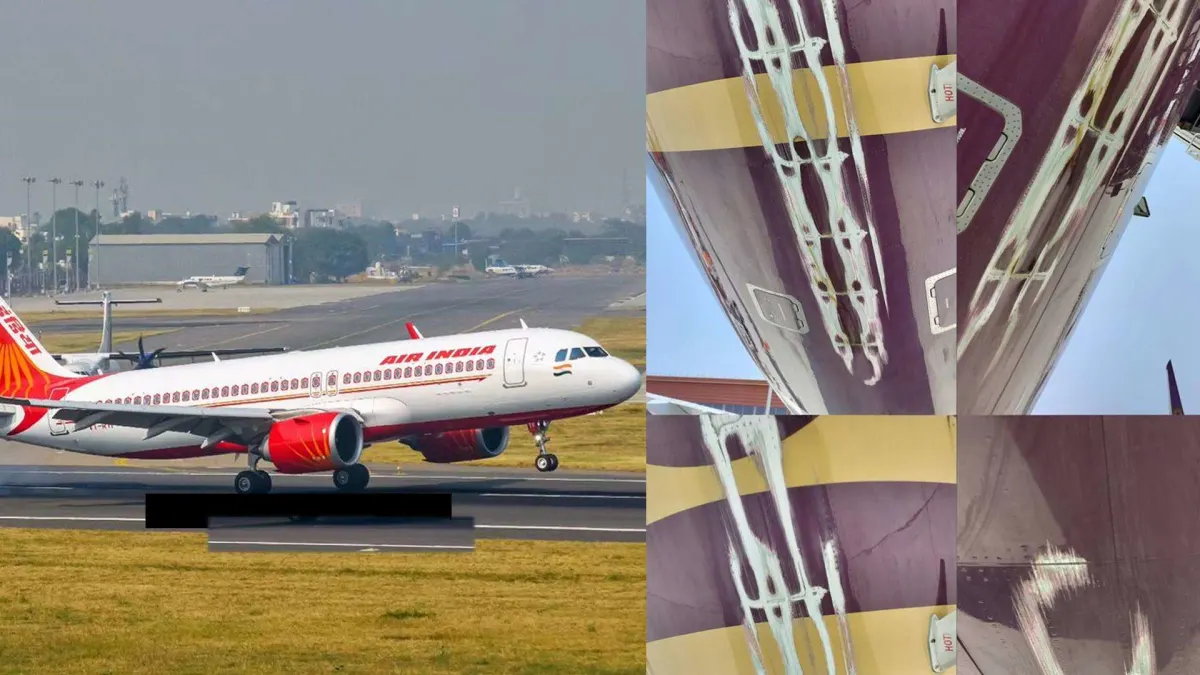
An Air India Airbus A321 suffered a tailstrike at Bengaluru Airport on May 21, 2026; the aircraft is grounded pending a DGCA safety investigation.
Key Takeaways
- •Air India A321 suffered a tailstrike at Bengaluru Airport on May 21, 2026.
- •The DGCA has off-rostered the flight crew pending a formal safety investigation.
- •Flight AI2652 was cancelled, impacting 179 passengers and crew in total.
- •Tailstrikes are a known risk for the 44.5-meter long Airbus A321 airframe.
Incident Overview
An Air India flight AI2651 from Indira Gandhi International Airport (DEL) to Kempegowda International Airport (BLR) suffered a significant tailstrike during a landing attempt on Thursday, May 21, 2026. The incident occurred as the Airbus A321 narrow-body aircraft executed a go-around maneuver. According to industry data, the maneuver was reportedly initiated to avoid wake turbulence generated by a preceding Boeing 747. While the aircraft eventually landed safely and all 179 passengers and crew disembarked without injury, the event has triggered a mandatory regulatory response.
Regulatory and Operational Impact
The Directorate General of Civil Aviation (DGCA) has launched a formal investigation into the event under the Aircraft Accident and Incident Investigation Rules. As part of standard safety protocol, the operating pilots have been off-rostered, meaning they are suspended from active flying duties pending the outcome of the probe. The aircraft itself remains grounded at Bengaluru for a detailed structural inspection, as tailstrikes on the A321 airframe often require comprehensive damage assessment. The Flightradar24 flight history confirms the aircraft's path and subsequent grounding.
For Air India fleet operations, the grounding of this A321 represents a medium-severity operational challenge. The return sector, flight AI2652 from Bengaluru to Delhi, was immediately cancelled, forcing the airline to rebook affected passengers onto alternative services. Ground teams are currently assisting those impacted by the disruption, while the airline reiterates that passenger safety remains its primary focus during the ongoing investigation.
Technical Context and Industry Trends
The incident highlights a known aerodynamic vulnerability of the Airbus A321. Due to its 44.5-meter fuselage, the A321 possesses a lower tail clearance angle compared to smaller variants like the A320. This makes the aircraft statistically more prone to tail strikes during aggressive pitch inputs or sudden Take-Off/Go-Around (TOGA) maneuvers.
Airbus A321 vs Airbus A320: Key Specifications
| Metric | Airbus A321 | Airbus A320 |
|---|---|---|
| Fuselage Length | 44.51 m | 37.57 m |
| Passenger Capacity | 180-220 | 140-170 |
Technical Analysis
The event underscores a broader industry challenge regarding wake turbulence separation standards at high-traffic hubs. While initial scrutiny often focuses on pilot handling during the TOGA phase, aviation safety analysts have suggested that the incident may also point to systemic issues in Air Traffic Control (ATC) separation protocols when heavy wide-body aircraft precede narrow-body jets. This incident follows a pattern observed in previous years, notably the August 2025 IndiGo A321 tail strike in Mumbai and the October 2024 Turkish Airlines A321neo incident in Dublin. These precedents confirm that over-rotation during low-altitude go-arounds remains a critical risk factor for stretched-fuselage narrow-body operations.
What Comes Next
The DGCA is expected to release a preliminary investigation report between June and July 2026. The return of the aircraft to active service remains contingent upon the completion of structural repairs and final clearance from both Air India engineering teams and the DGCA.
Why This Matters
This incident highlights the ongoing operational risks associated with maintaining separation distances in increasingly congested airspace. For the aviation industry, the event serves as a reminder of the heightened structural risks inherent in the A321's design during emergency maneuvers, necessitating continued focus on pilot training and ATC separation efficiency.
Frequently Asked Questions
- Why are Airbus A321 aircraft more prone to tailstrikes?
- The Airbus A321 has a longer fuselage of 44.51 meters compared to the A320, which results in a lower tail clearance angle. This design makes the aircraft more susceptible to tailstrikes if pilots execute aggressive pitch inputs during go-around maneuvers.
- What happens to the pilots involved in the Air India AI2651 tailstrike?
- Following standard regulatory protocol in India, the pilots involved in the incident have been off-rostered, meaning they are suspended from all flying duties pending the outcome of the formal DGCA safety investigation.
For in-depth airline coverage and commercial aviation news, omniflights.com delivers timely industry insights. Track policy changes, airspace rules, and global aviation governance in the Regulatory category at omniflights.com/regulatory.

Written by Hardik Vishwakarma
Co-Founder & Aviation News Editor leading initiatives that improve trust and visibility across the global aviation industry. Covers airlines, airports, safety, and emerging technology.
Visit ProfileYou Might Also Like
Discover more aviation news based on similar topics
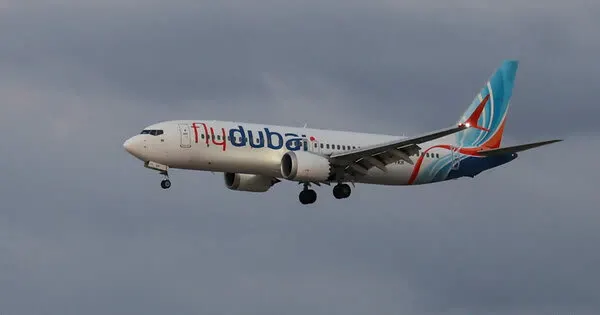
Flydubai FZ1073 Cockpit Attack: Inside the Terror Attempt
Flydubai flight FZ1073 diverted to Tabuk after co-pilot Hamam al-Hammami attacked Captain Smit Machchhar in a confirmed terrorist act.
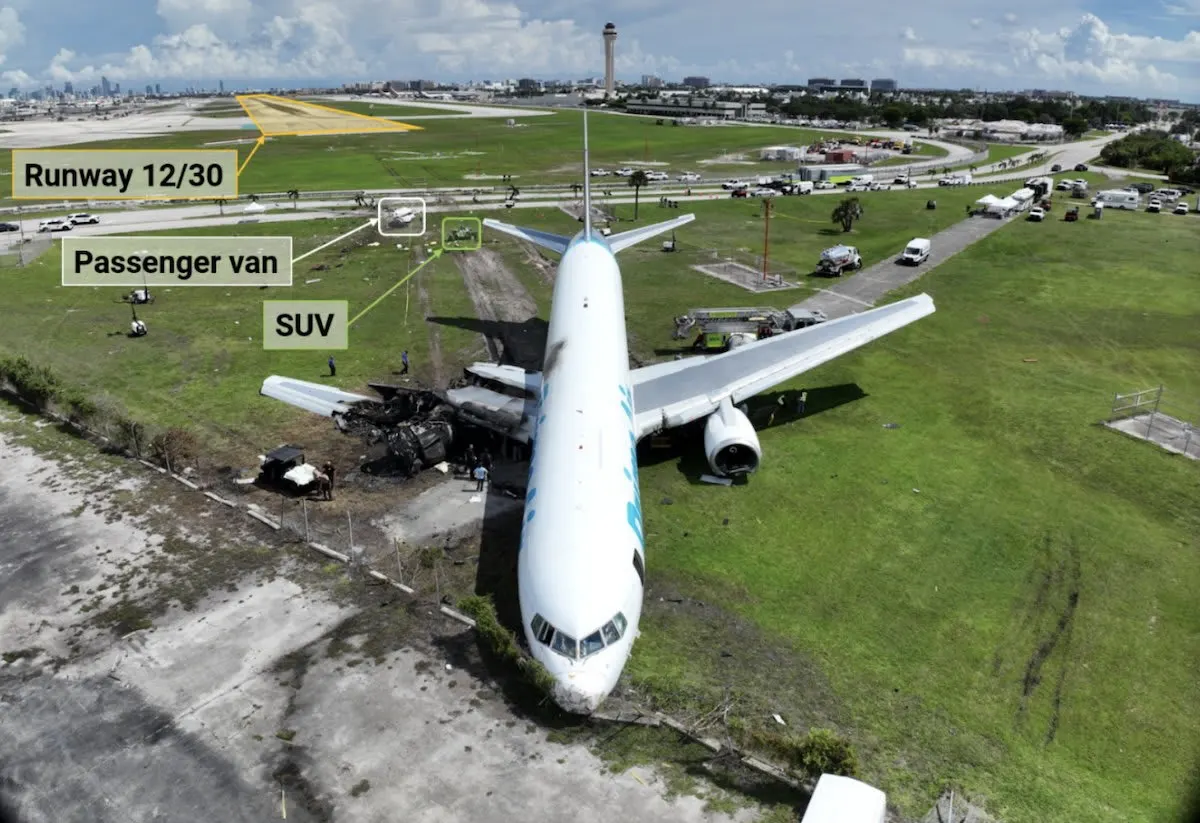
21 Air 767 Crash: NTSB Report Details Fatal MIA Overrun
The NTSB preliminary report on the 21 Air 767 crash at Miami International Airport confirms five ground fatalities following a late, high-speed landing.
Flydubai FZ1073 Hijacker Flagged as Security Risk by Oman
A Flydubai co-pilot accused of attempting to crash flight FZ1073 had been previously barred from flying in Oman due to extremist concerns.
FAA Clears Boeing 737 MAX Software Issue, Resumes MAX 10
The FAA cleared a Boeing 737 MAX software issue after a safety review, allowing the 737 MAX 10 certification process to resume immediately.
Flydubai Flight 1073 Hijacking Attempt Over Jordan
A Flydubai Flight 1073 co-pilot attacked the captain mid-flight on September 30, 2026, forcing passengers to intervene and stabilize the aircraft.

Families Demand DCA Midair Collision Safety Reforms
Families of 67 victims from the 2025 DCA midair collision are pressing Congress for mandatory ADS-B In technology to prevent future aviation tragedies.