United Airlines Faces Scrutiny Over 6-Hour Tarmac Delay

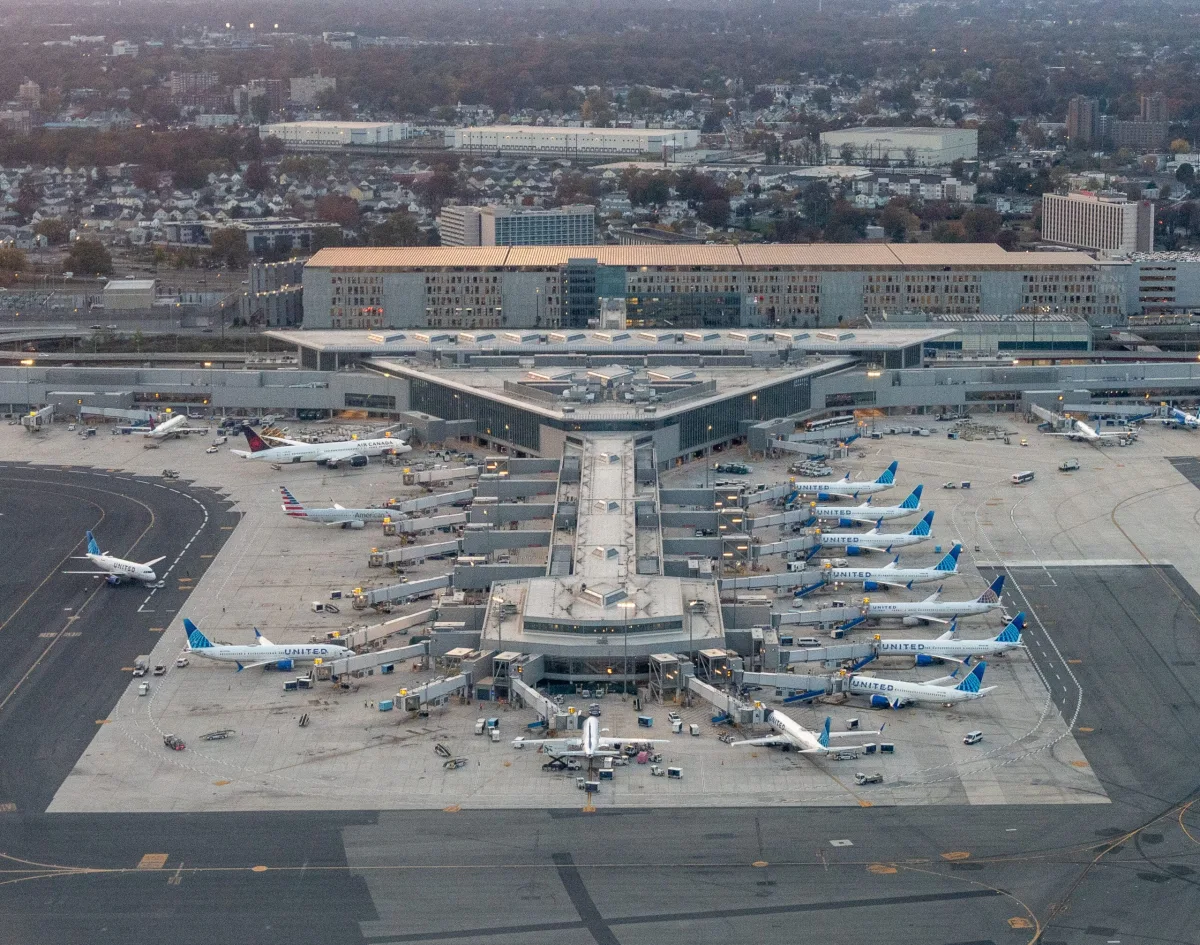
United Airlines flight UA 124 from EWR to Athens was canceled after a six-hour tarmac delay, potentially violating federal four-hour limit regulations.
Key Takeaways
- •United Airlines flight UA 124 suffered a six-hour tarmac delay at EWR.
- •Federal law limits international tarmac holds to four hours per 14 CFR 259.4.
- •DOT investigation into the incident is expected between late 2026 and 2027.
- •EWR reported 284 delays and 22 cancellations on the day of the incident.
Passengers aboard United Airlines flight UA 124 from Newark Liberty International Airport (EWR) to Athens International Airport Eleftherios Venizelos (ATH) experienced a significant operational failure on May 20, 2026. The flight, originally scheduled for departure at 4:00 PM EDT, remained on the tarmac for over six hours, according to FlightAware tracking data, before being officially canceled at approximately 1:00 AM EDT the following morning.
This incident highlights a clear United Airlines tarmac delay that may have breached the U.S. Department of Transportation (DOT) tarmac delay rule. Under 14 CFR 259.4, airlines are prohibited from keeping passengers on a departing international flight on the tarmac for more than four hours without offering them the opportunity to deplane. The regulation also mandates that food and water be provided no later than two hours into such a delay.
Operational Context and Impact
The disruption occurred during a period of significant volatility at EWR, which reported 284 delayed flights and 22 cancellations on May 20, 2026. The combination of severe weather and maintenance backlogs created a bottleneck, leaving the aircraft stranded as ground operations struggled with gate availability and ramp staffing. For the passengers on UA 124, the experience resulted in prolonged confinement on the aircraft, followed by a late-night cancellation and a lack of immediate rebooking or ground support.
While the airline has not yet commented on specific enforcement actions, the DOT is expected to initiate an investigation into the matter between late 2026 and 2027. If found in violation of federal consumer protection rules, United Airlines could face significant financial penalties. Historically, the DOT has demonstrated a firm stance on these regulations; for instance, the department issued a $1.9 million fine to United Airlines in 2021 for similar violations occurring between 2015 and 2021.
Industry Perspective
Industry groups, including Airlines for America (A4A), have frequently argued that strict adherence to the four-hour rule can be complicated by safety protocols. During severe weather, lightning hazards often mandate ground stops, preventing ramp personnel from safely operating equipment to return aircraft to a gate. Additionally, gate congestion during mass-cancellation events often leaves carriers with no physical space to offload passengers, creating a conflict between federal mandates and ground-level operational realities.
However, regulatory precedents suggest that weather-related challenges do not provide an automatic exemption. In December 2020, the DOT fined Aerolíneas Argentinas $300,000 for a 4.5-hour delay during a winter storm, signaling that the department expects airlines to have robust contingency plans regardless of weather conditions. The EWR flight cancellation and the subsequent delay of UA 124 serve as a reminder of the ongoing tension between network recovery efforts and passenger rights in the U.S. aviation system.
What Comes Next
The timeline for potential regulatory action remains in the early stages. The Department of Transportation will likely review the flight logs and passenger complaints to determine if the six-hour wait falls within the narrow exceptions permitted by the Code of Federal Regulations. Passengers affected by the incident may be entitled to compensation or refunds under United Airlines' own contract of carriage and DOT consumer protection guidelines.
Why This Matters
This event underscores the persistent operational fragility of major U.S. hubs like Newark when faced with severe weather. For the broader industry, the case represents a critical test of the DOT's enforcement appetite under current consumer protection priorities. As airlines continue to manage high load factors and complex schedules, the ability to maintain compliance during irregular operations remains a primary indicator of both service quality and regulatory standing.
Frequently Asked Questions
- What is the maximum time an airline can hold passengers on the tarmac for an international flight?
- Under 14 CFR 259.4, airlines are prohibited from keeping passengers on a departing international flight on the tarmac for more than four hours without offering the opportunity to deplane.
- Why was the United Airlines flight from Newark to Athens canceled?
- The flight was canceled following a six-hour tarmac delay caused by a combination of severe weather, maintenance backlogs, and resulting gate and ramp staffing constraints at Newark Liberty International Airport.
Visit omniflights.com for the latest commercial aviation news and airline industry updates. Follow aviation sustainability efforts, emissions research, and green initiatives in the Environmental section at omniflights.com/environmental.

Written by Hardik Vishwakarma
Co-Founder & Aviation News Editor leading initiatives that improve trust and visibility across the global aviation industry. Covers airlines, airports, safety, and emerging technology.
Visit ProfileYou Might Also Like
FAA Clears Boeing 737 MAX 10 Software Glitch

FAA Faces $3.5 Billion Shortfall in ATC Modernization
FAA Pauses Flights into LAX Due to Staffing Shortages
FAA Proposes Ending Overland Supersonic Flight Ban

DOT Rule Exempts Airlines From Cyberattack Delay Costs