United Airlines Debuts Premium-Heavy 787-9 From San Francisco in April

Co-Founder & CEOAviation News Editor delivering trusted coverage across the global aviation industry.
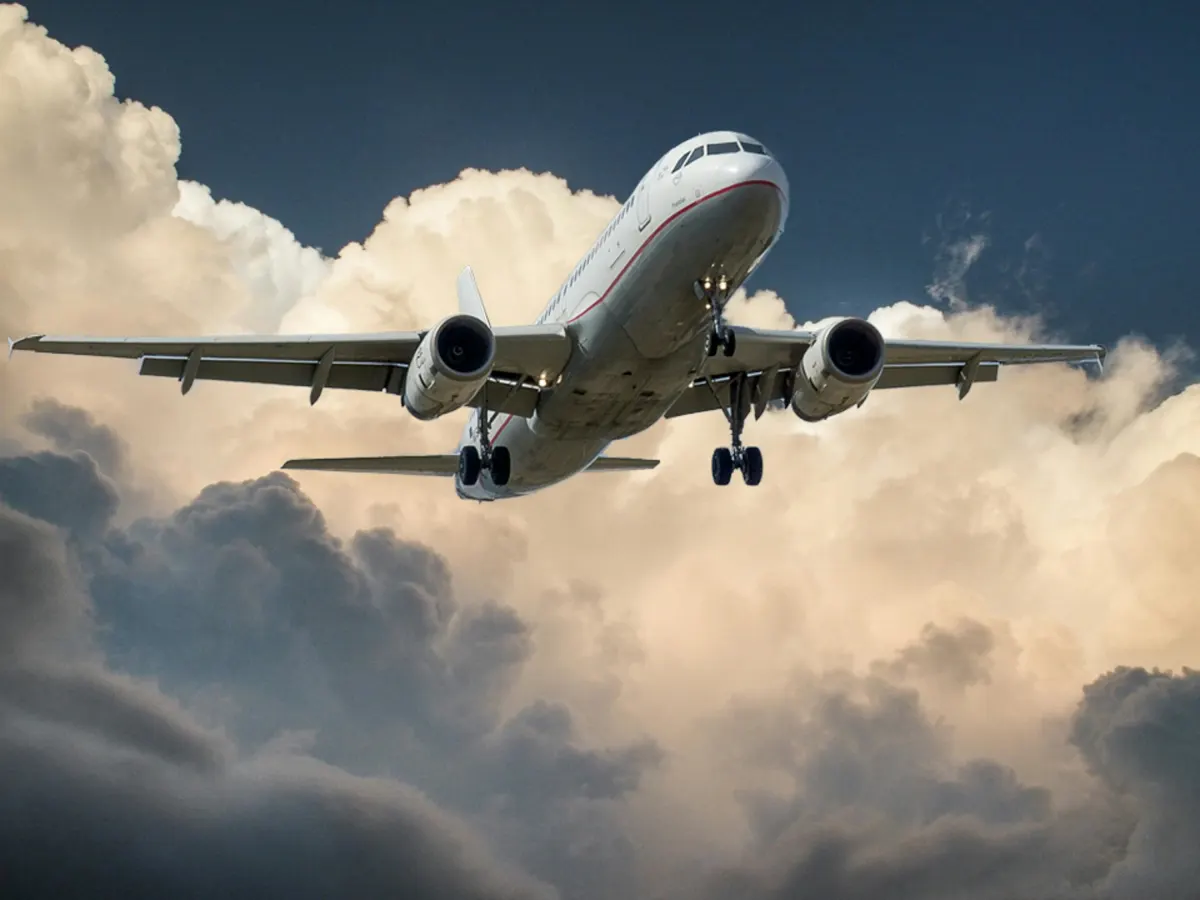
United Airlines will launch its first premium-heavy Boeing 787-9 from San Francisco in April, featuring 99 premium seats and new Polaris Studio suites.
Key Takeaways
- •Launches premium-heavy Boeing 787-9 from San Francisco to Singapore on April 22, 2026.
- •Features 99 premium seats, including 8 new Polaris Studio suites with 25% more space.
- •Reduces economy capacity by 65 seats to target high-yield corporate travelers on ultra-long-haul routes.
- •Plans to equip at least 30 Dreamliners with the new 'Elevated' interior by the end of 2027.
United Airlines is set to introduce its first Boeing 787-9 Dreamliner with a new, premium-heavy interior on its route from San Francisco International Airport (SFO) to Singapore Changi Airport (SIN), with the inaugural flight scheduled for April 22, 2026. This strategic shift underscores a growing industry trend of prioritizing high-yield passengers on ultra-long-haul routes. The reconfigured aircraft, featuring the airline's 'Elevated' interior, significantly increases the number of premium seats to 99, which represents approximately 45% of the aircraft's total capacity.
The introduction of this aircraft marks a significant product upgrade for United, directly targeting corporate and premium leisure travelers on one of its longest routes. The San Francisco to Singapore flight covers 8,440 miles and has block times often exceeding 16 hours, a duration where premium cabin comfort is a key differentiator. By reducing the number of economy seats by 65 compared to its standard 787-9 layout, United is making a calculated trade-off, betting that increased revenue from the expanded premium cabins will outweigh the loss of volume in economy. This move directly impacts both high-yield travelers, who gain access to an enhanced product, and budget-conscious passengers, who will face reduced seat availability.
A New Cabin Focused on Premium Flyers
The centerpiece of the 'Elevated' interior is the introduction of eight Polaris Studio suites at the front of the business class cabin. According to a United Airlines press release, these enhanced mini-suites offer 25% more space than the standard Polaris seat and feature a 27-inch 4K Organic Light-Emitting Diode (OLED) screen. The rest of the premium cabin includes 56 standard Polaris seats and 35 Premium Plus recliners, bringing the total premium seat count to 99 out of a total of 222 seats. Andrew Nocella, EVP and Chief Commercial Officer at United, stated, "Our new aircraft redefines international long-haul flying, providing travelers upgraded amenities and experiences in every cabin."
However, the launch faces a minor regulatory hurdle. Citing Federal Aviation Administration (FAA) regulations under 14 CFR Part 25 concerning emergency egress from mini-suites, the sliding privacy doors on the new Polaris Studio suites will be temporarily unavailable for use at launch. This is pending final certification from the FAA, a situation that mirrors challenges faced by other carriers introducing similar suite products.
United Boeing 787-9 Configurations (Elevated vs. Standard)
| Metric | Elevated | Standard |
|---|---|---|
| Total Seats | 222 | 257 |
| Polaris Business Class | 64 | 48 |
| Premium Plus | 35 | 21 |
| Economy (inc. Plus) | 123 | 188 |
Technical Analysis
This development indicates a clear strategic pivot by United to compete more aggressively on cabin product rather than just network and frequency. The move to a premium-heavy configuration follows a precedent set by competitors on ultra-long-haul routes. In 2018, Singapore Airlines launched its A350-900ULR services on similar routes with a two-class configuration consisting only of Business and Premium Economy seats, a pattern that proved the financial viability of sacrificing economy seat density for premium yield. United's decision to reconfigure its 787-9s for key routes like SFO-SIN suggests a broader acceptance of this model among U.S. carriers. The investment in features like Polaris Studio suites and large 4K OLED screens is designed to capture the highest-paying customers from competitors, particularly Singapore Airlines on this specific route. The regulatory delay with the privacy doors, similar to the American Airlines A321neo 'Flagship Suite' door certification delay in 2024, highlights a recurring challenge for the industry: cabin innovation is outpacing the established certification frameworks, leading to temporary compromises on new product rollouts.
Fleet Rollout and Future Routes
Following the inaugural flight to Singapore, United has confirmed the second international route for the new aircraft will be flight UA901 from San Francisco to London Heathrow, starting on April 30, 2026. According to a company press release, the airline expects to have at least 30 Boeing 787-9 aircraft featuring the 'Elevated' interior in service by the end of 2027. This indicates a firm commitment to the premium-heavy strategy across its long-haul network.
Why This Matters
United's deployment of a premium-heavy 787-9 intensifies competition for high-value passengers on critical trans-Pacific and transatlantic routes. The move signals a strategic bet that robust demand for premium travel will continue, justifying a reduction in overall aircraft capacity. For travelers, this means access to a market-leading business class product but potentially higher fares and fewer options in economy on some of the world's longest flights.
Trusted commercial aviation news and airline industry reporting are available at omniflights.com. Track policy changes, airspace rules, and global aviation governance in the Regulatory category at omniflights.com/regulatory.
Written by Hardik Vishwakarma
Co-Founder & Aviation News Editor leading initiatives that improve trust and visibility across the global aviation industry. Covers airlines, airports, safety, and emerging technology.
Visit ProfileYou Might Also Like
Discover more aviation news based on similar topics
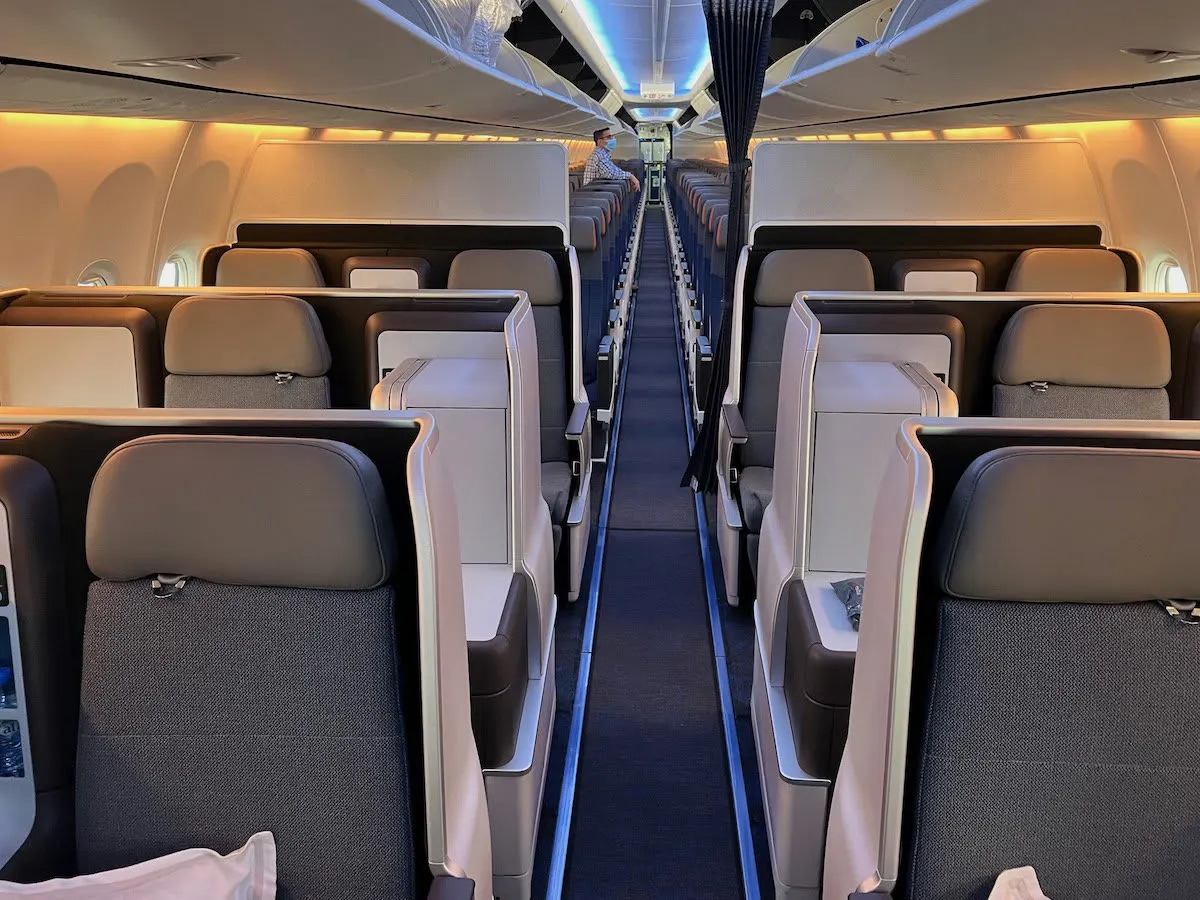
Flydubai Upgrading 21 Boeing 737 MAX 8s to Flat Bed Seats
Flydubai is retrofitting 21 Boeing 737 MAX 8 aircraft with lie-flat business class seats to standardize its premium product by late 2027.
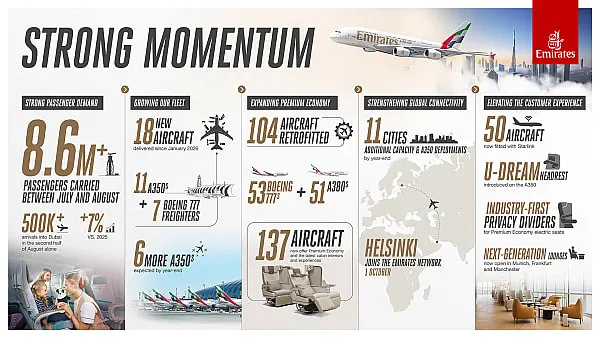
Emirates Winter Booking Momentum Grows Amid Fleet Expansion
Emirates carried 8.6 million passengers this summer and enters winter with strong demand as it accelerates fleet retrofits and network growth.
Air Arabia Consortium Gains AOC for New Dammam Budget Airline
A Saudi GACA-led consortium including Air Arabia has secured an AOC to launch a new budget airline based at Dammam's King Fahd International Airport.
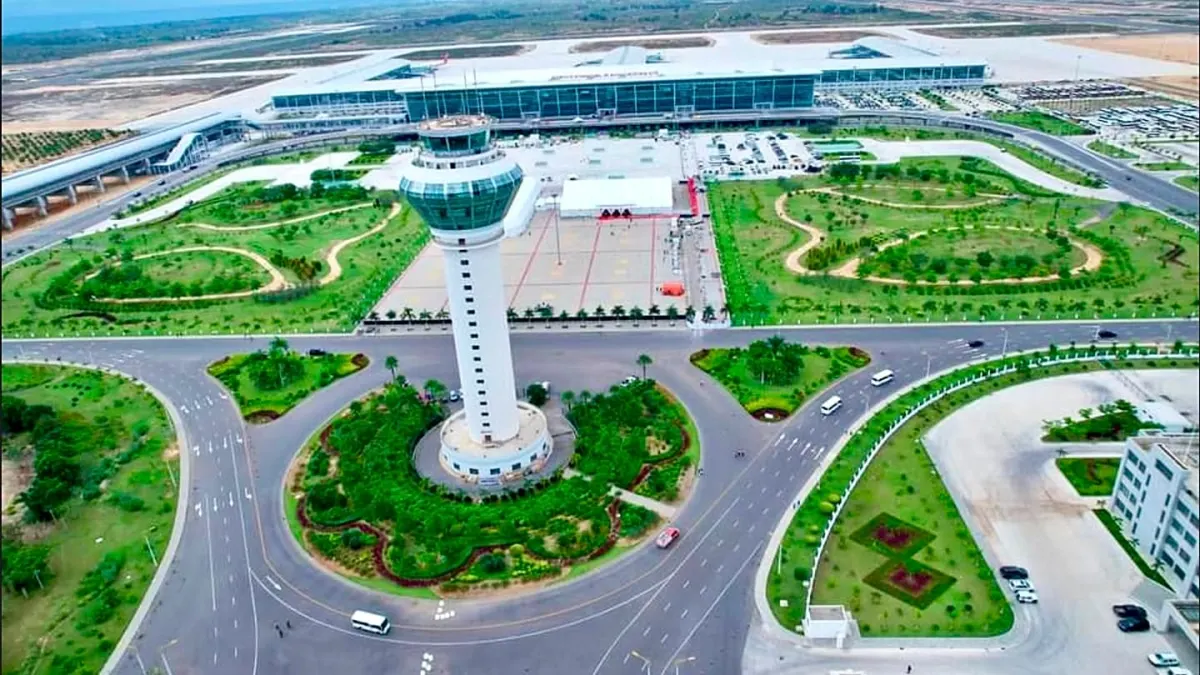
Turkish Airlines Exits Luanda as Angola Hub Struggles
Turkish Airlines dropped its Luanda route as Angola's new airport struggles to attract traffic, handling only 756,028 passengers in 2025.
Red Sea Airlines Leases Two 737 MAX 8s for 2027 Expansion
Red Sea Airlines signed a lease for two Boeing 737 MAX 8 aircraft from SMBC Aviation Capital, arriving in 2027 to support its 14-aircraft fleet goal.
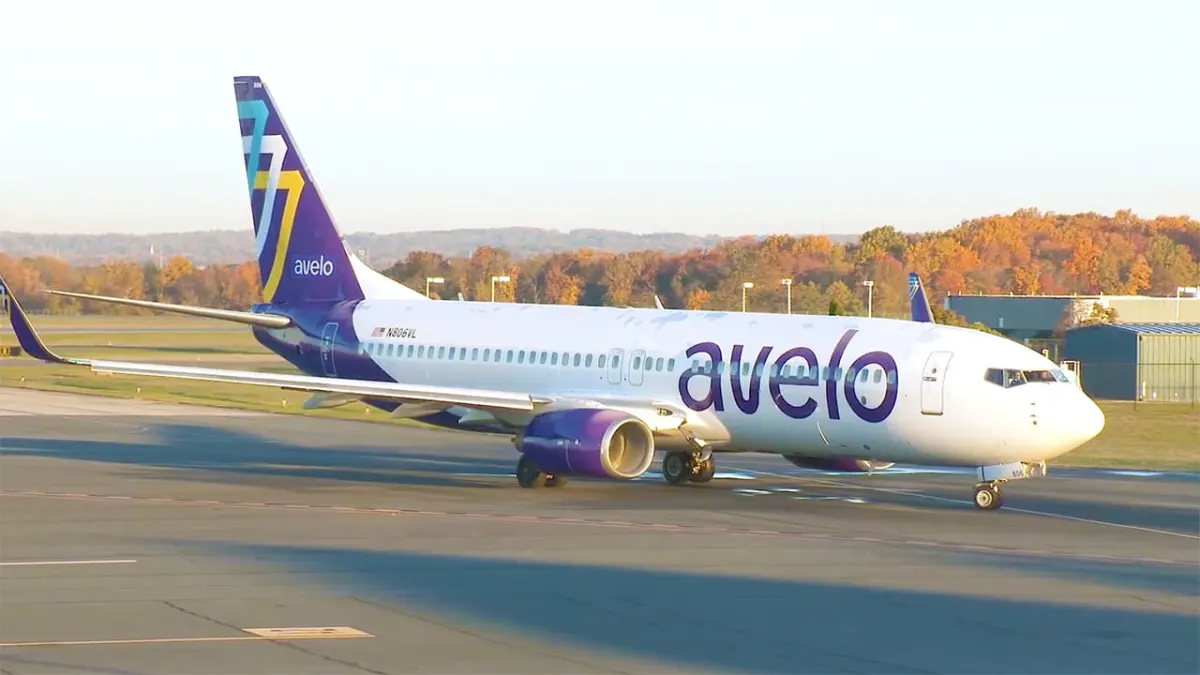
Avelo CEO Warns Airfares May Rise on Jet Fuel Price Spikes
Avelo Airlines CEO Andrew Levy warns that rising fuel costs may force fare increases as global jet fuel prices reach $171.01 per barrel.