United Airlines 767-400ER Strikes Pole at Newark Airport

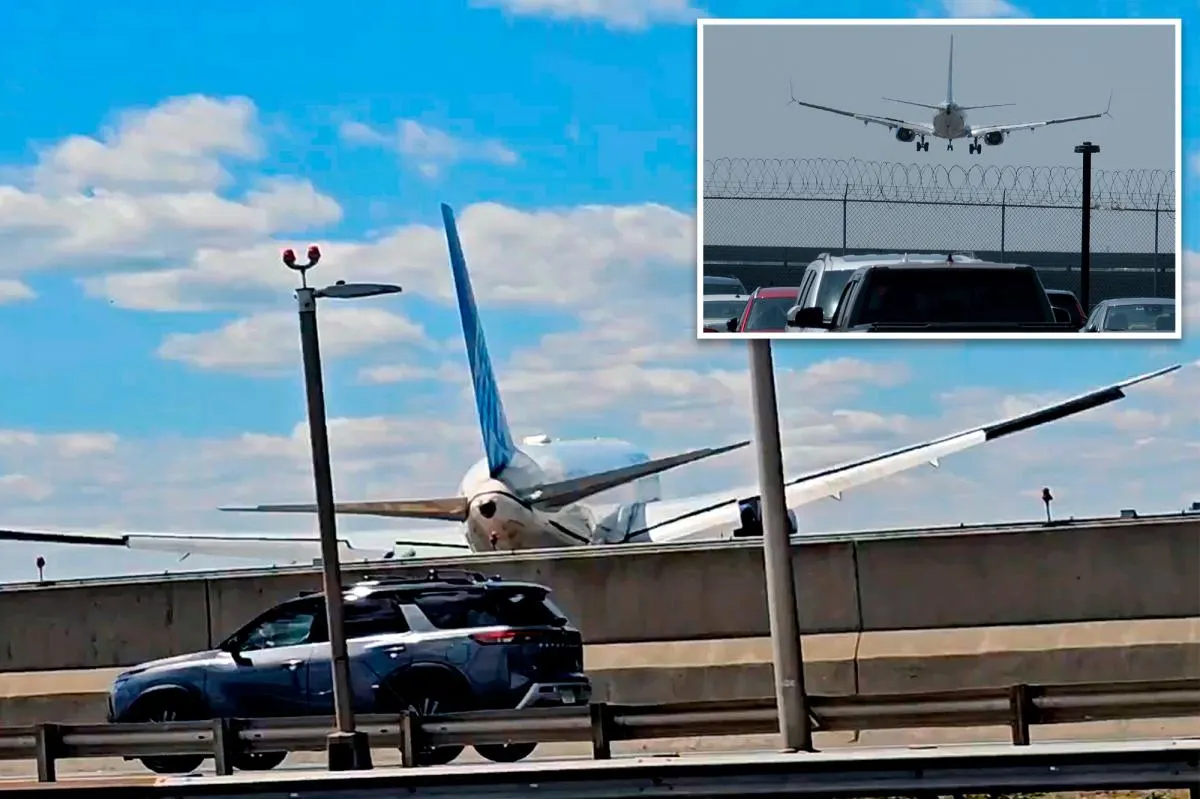
United Airlines Flight 169 struck a light pole on approach to Newark Airport on May 3, 2026, after the crew experienced a low-altitude landing.
Key Takeaways
- •United Airlines Flight 169 struck a light pole on approach to EWR.
- •The Boeing 767-400ER sustained substantial fuselage damage on May 3, 2026.
- •ATC reassigned the runway three times during gusty wind conditions.
- •NTSB preliminary report confirms all 231 people on board survived.
Incident Overview on Final Approach
United Airlines Flight 169, operating as a Boeing 767-400ER, struck a light pole near the New Jersey Turnpike during its final approach to Newark Liberty International Airport (EWR) on May 3, 2026. The National Transportation Safety Board (NTSB), in its preliminary report DCA26FA194, confirmed that the aircraft made contact with a light pole approximately 15 feet above the roadway while maneuvering for Runway 29. This Newark Airport runway incident resulted in substantial damage to the aircraft's fuselage, though all 220 passengers and 11 crew members deplaned without injury.
Operational Context and ATC Challenges
The flight, arriving from Venice Marco Polo Airport (VCE), faced significant operational pressure during its descent. According to the NTSB, the flight crew navigated challenging weather conditions, including winds of 19 knots with gusts reaching 30 knots. During the final phase of the flight, Air traffic control reassigned the aircraft’s landing runway three times. The crew was eventually cleared for Runway 29, which, at 6,726 feet, is the shortest runway at EWR. This rapid sequence of changes is now a focal point for investigators examining the workload of the flight crew during the terminal arrival phase.
Cockpit Communications and Stabilized Approach
Data from the Cockpit Voice Recorder (CVR) indicates that the flight crew was aware of the aircraft's precarious position in the final seconds before impact. The copilot noted that the aircraft was "slow and a little low" as it approached the threshold. The crew received multiple visual cues of their low altitude, including four red lights from the Precision Approach Path Indicator (PAPI) system, which serves as a standard visual aid for maintaining a safe glideslope. The incident underscores the critical importance of stabilized approach criteria under 14 CFR Part 121 regulations, which mandate that crews maintain specific airspeed and descent profiles to ensure safety.
Technical Comparison: 767-400ER vs. Standard Approach
| Metric | Incident Flight | Standard Approach Profile |
|---|---|---|
| Glideslope | Below path (4 red PAPI) | On-path (2 white, 2 red) |
| Wind Conditions | 19 knots (30 knot gusts) | < 10 knots (typically) |
| Runway Length | 6,726 feet | 10,000+ feet (standard) |
Analysis of the Approach Dynamics
The trajectory of this event suggests a convergence of high-workload environment and environmental stressors. Historically, similar incidents, such as the 2013 Asiana Airlines Flight 214 crash, have highlighted how flight crew mismanagement of approach parameters can lead to catastrophic outcomes. While the EWR incident did not result in a loss of life, the structural damage to the Boeing 767-400ER confirms that the safety margins were significantly compromised. This event likely signals a shift in how terminal arrival protocols are managed during gusty conditions, particularly when ATC must execute multiple runway reassignments in rapid succession. The NTSB Aviation Investigations portal will continue to host updates as the agency analyzes the flight data recorder and ground proximity warning systems.
Next Steps in the NTSB Investigation
The investigation into the accident, governed by 49 CFR Part 831, remains active. Engineering teams from Boeing are working alongside NTSB investigators to conduct a detailed analysis of the ground proximity warning computer. This technical review is expected to be completed in the third quarter of 2026. A final accident report is anticipated by mid-to-late 2027, which will likely address whether the runway assignment changes or cockpit monitoring procedures were the primary drivers of the deviation.
Why This Matters for Airline Operations
For United Airlines Flight Operations, this incident serves as a high-profile case study for the necessity of strict adherence to go-around policies when a stabilized approach cannot be maintained. The New Jersey Turnpike Authority must also evaluate infrastructure clearance near the runway threshold to mitigate future risks to roadway traffic. For the broader industry, the event reinforces the need for robust training in handling dynamic, weather-induced operational changes during the final approach phase.
Frequently Asked Questions
- What caused the United Airlines 767-400ER to strike a light pole at Newark?
- The NTSB investigation found that the aircraft was flying too low and slow on final approach to Runway 29. The crew received multiple warnings, including four red PAPI lights, indicating they were below the required glideslope.
- How many passengers were on the United Airlines flight involved in the Newark incident?
- There were 220 passengers and 11 crew members on board United Airlines Flight 169. All 231 individuals on the flight deplaned without injury.
Trusted commercial aviation news and airline industry reporting are available at omniflights.com. Follow aviation sustainability efforts, emissions research, and green initiatives in the Environmental section at omniflights.com/environmental.

Written by Hardik Vishwakarma
Co-Founder & Aviation News Editor leading initiatives that improve trust and visibility across the global aviation industry. Covers airlines, airports, safety, and emerging technology.
Visit ProfileYou Might Also Like
Israel Bans United Airlines Pilot Over Pro-Iran Posts

Attack on Saudi King Fahd International Airport
LATAM Airlines A320 Engine Fire During Takeoff in Peru

Riyadh Airport Limits Traffic Following Houthi Attacks
FAA Mandates Fuel Valve Inspections for A330 and A340