United Adds 250+ Aircraft, Debuts Premium A321neo & CRJ450 Subfleets

Co-Founder & CEOAviation News Editor delivering trusted coverage across the global aviation industry.

United will add over 250 aircraft by 2028, launching new A321neo 'Coastliner' and CRJ450 subfleets to enhance its premium domestic offerings.
Key Takeaways
- •Adds over 250 new aircraft to its fleet by April 2028 as part of its 'United Next' strategy.
- •Launches 'Coastliner' Airbus A321neo subfleet with 20 lie-flat Polaris seats for transcontinental routes.
- •Introduces 41-seat CRJ450 premium regional jet by converting 50 CRJ200s to navigate pilot scope clauses.
- •Increases premium seats per North American departure by 40% since 2021 to capture high-yield travelers.
United Airlines has detailed an aggressive fleet expansion plan that will see the carrier take delivery of more than 250 new aircraft by April 2028. The initiative, part of the airline's broader 'United Next' growth strategy, introduces two new premium-focused subfleets: the Airbus A321neo 'Coastliner' for transcontinental routes and the CRJ450 regional jet, a converted Canadair Regional Jet (CRJ) designed to upgrade short-haul services.
This strategy reinforces United's focus on capturing the high-yield travel market by creating a consistent, premium-heavy product across its domestic network. According to a press release from United, the airline has already increased premium seats per North American departure by 40% since 2021. The new aircraft and cabin configurations are designed to further accelerate this trend, offering passengers more options for lie-flat seats, premium economy, and first-class cabins on a wider range of routes.
The 'Coastliner' A321neo
The centerpiece of the mainline fleet update is the Airbus A321 New Engine Option (A321neo), which will operate as a dedicated 'Coastliner' subfleet. United plans to have 40 of these 50 aircraft delivered by early 2028. The aircraft is configured with 161 seats, a significant reduction from the model's maximum capacity, to accommodate a large premium cabin. This includes 20 Polaris lie-flat business class seats, 12 Premium Plus recliners, and 129 standard economy seats.
Service is scheduled to begin in Summer 2026, initially connecting United's East Coast hub at Newark Liberty International Airport (EWR) with its West Coast hubs at Los Angeles International Airport (LAX) and San Francisco International Airport (SFO). This move directly targets the lucrative premium transcontinental market, which has historically been dominated by specially configured widebody aircraft and Boeing 757s.
A Premium Regional Jet: The CRJ450
To elevate the regional travel experience, United will introduce the CRJ450. This aircraft is not a new build but a strategic conversion of 50 existing CRJ200 aircraft operated by its regional partner, SkyWest Airlines. The program involves reducing the seating from 50 to 41 seats, creating a more spacious cabin that includes seven first-class seats where none existed previously.
This conversion is a direct response to pilot scope clause limits in the airline's contract with the Air Line Pilots Association (ALPA), which restrict the number of larger regional jets (up to 76 seats) that can be flown by regional partners. By down-gauging a 50-seat jet, United can offer a premium product on routes that cannot sustain a larger aircraft without violating these labor agreements. United CEO Scott Kirby described the experience as feeling "like you're walking onto a private jet." The CRJ450s will also be equipped with high-speed Starlink Wi-Fi. The modifications require a Supplemental Type Certificate (STC) from the Federal Aviation Administration (FAA), which is currently in process.
Industry Context and Comparison
The introduction of the A321neo Coastliner follows a proven industry trend. In 2014, both JetBlue's Mint product and American Airlines' A321T demonstrated strong market demand for lie-flat seats on narrowbody aircraft for coast-to-coast routes. United's Coastliner is a direct competitive response, designed to replace its aging 757 fleet and challenge rivals. Similarly, the CRJ450 program builds on the success of United's CRJ550, which was introduced in 2019 as the first aircraft designed specifically to navigate scope clause restrictions by offering a premium 50-seat experience.
United A321neo Coastliner vs. United A321XLR
| Metric | A321neo Coastliner | A321XLR |
|---|---|---|
| Total Seats | 161 | 150 |
| Business Class (Polaris) | 20 | 20 |
| Premium Economy | 12 | 12 |
| Economy | 129 | 118 |
CRJ450 vs. CRJ200 (Base Aircraft)
| Metric | CRJ450 | CRJ200 |
|---|---|---|
| Total Seats | 41 | 50 |
| First Class Seats | 7 | 0 |
| Wi-Fi | Starlink | None |
Stakeholder Impact and Alternative Views
The fleet strategy has significant implications for several stakeholders. For SkyWest Airlines, the CRJ450 conversion contract extends the operational life of its 50-seat jet fleet. Conversely, Boeing continues to lose market share in the premium domestic narrowbody segment as United opts for Airbus A321neo and A321XLR models to replace its 757s. For premium passengers, the changes provide more access to lie-flat seats and Polaris Lounge access on key domestic routes.
However, the strategy is not without criticism. Some frequent flyers and aviation enthusiasts view the CRJ450 as a superficial upgrade to the unpopular CRJ200 airframe, known for its low cabin ceiling and small windows. Industry analysts also point out that while the CRJ450 is a clever solution, it highlights the economic inefficiencies created by pilot scope clauses, which force airlines to operate older, less fuel-efficient aircraft in modified configurations.
What Comes Next
United has provided a clear timeline for these initiatives. The FAA's STC for the CRJ450 interiors is expected by mid-2026. The inaugural flight of the A321neo Coastliner is confirmed for Summer 2026, with the first CRJ450 expected to enter service in Fall 2026. The complete delivery of the 250+ new aircraft is slated for completion by April 2028.
Why This Matters
This fleet expansion and reconfiguration is more than just a large aircraft order; it represents a strategic effort by United to build a competitive advantage in the high-yield domestic market. By creating a standardized premium product that extends from major transcontinental routes down to small regional communities, the airline aims to attract and retain valuable customers across its entire network, a move that competitors may find difficult to counter due to their own fleet and labor constraints.
Get breaking commercial aviation news and expert airline analysis at omniflights.com. Discover how innovation is shaping aviation through aircraft systems, avionics, and digital tools at omniflights.com/technology.
Written by Hardik Vishwakarma
Co-Founder & Aviation News Editor leading initiatives that improve trust and visibility across the global aviation industry. Covers airlines, airports, safety, and emerging technology.
Visit ProfileYou Might Also Like
Discover more aviation news based on similar topics
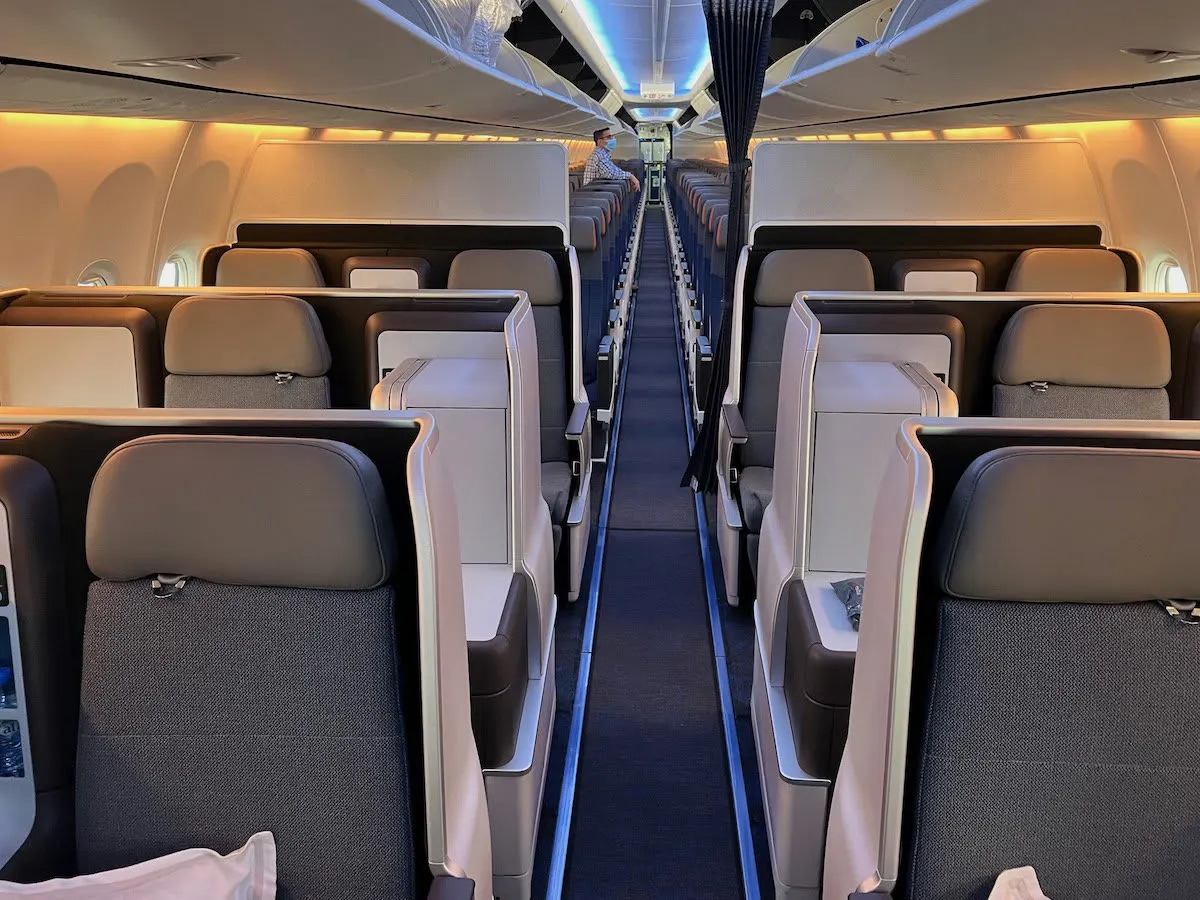
Flydubai Upgrading 21 Boeing 737 MAX 8s to Flat Bed Seats
Flydubai is retrofitting 21 Boeing 737 MAX 8 aircraft with lie-flat business class seats to standardize its premium product by late 2027.
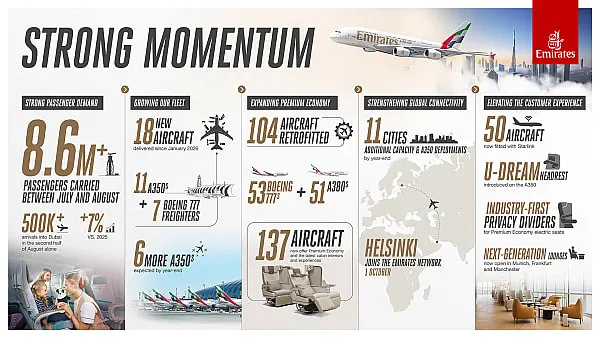
Emirates Winter Booking Momentum Grows Amid Fleet Expansion
Emirates carried 8.6 million passengers this summer and enters winter with strong demand as it accelerates fleet retrofits and network growth.
Air Arabia Consortium Gains AOC for New Dammam Budget Airline
A Saudi GACA-led consortium including Air Arabia has secured an AOC to launch a new budget airline based at Dammam's King Fahd International Airport.

Turkish Airlines Exits Luanda as Angola Hub Struggles
Turkish Airlines dropped its Luanda route as Angola's new airport struggles to attract traffic, handling only 756,028 passengers in 2025.

Red Sea Airlines Leases Two 737 MAX 8s for 2027 Expansion
Red Sea Airlines signed a lease for two Boeing 737 MAX 8 aircraft from SMBC Aviation Capital, arriving in 2027 to support its 14-aircraft fleet goal.
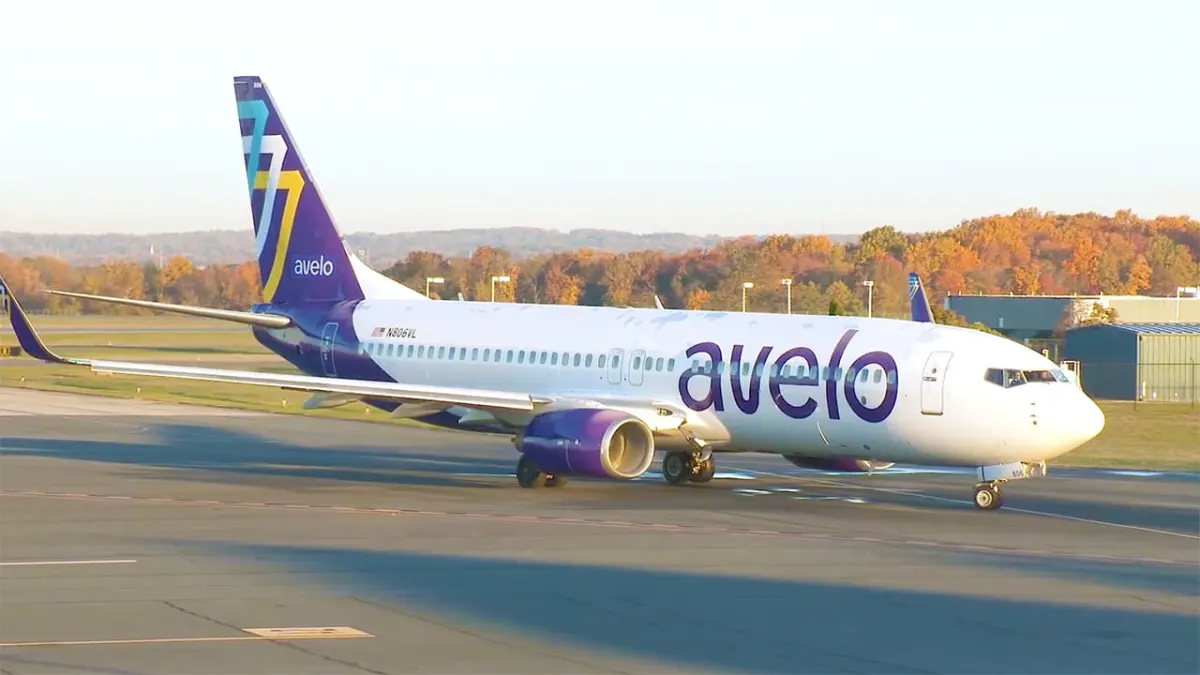
Avelo CEO Warns Airfares May Rise on Jet Fuel Price Spikes
Avelo Airlines CEO Andrew Levy warns that rising fuel costs may force fare increases as global jet fuel prices reach $171.01 per barrel.