TSA Chaos Fuels Wheelchair Abuse as Passengers Skip Security Lines

Co-Founder & CEOAviation News Editor delivering trusted coverage across the global aviation industry.
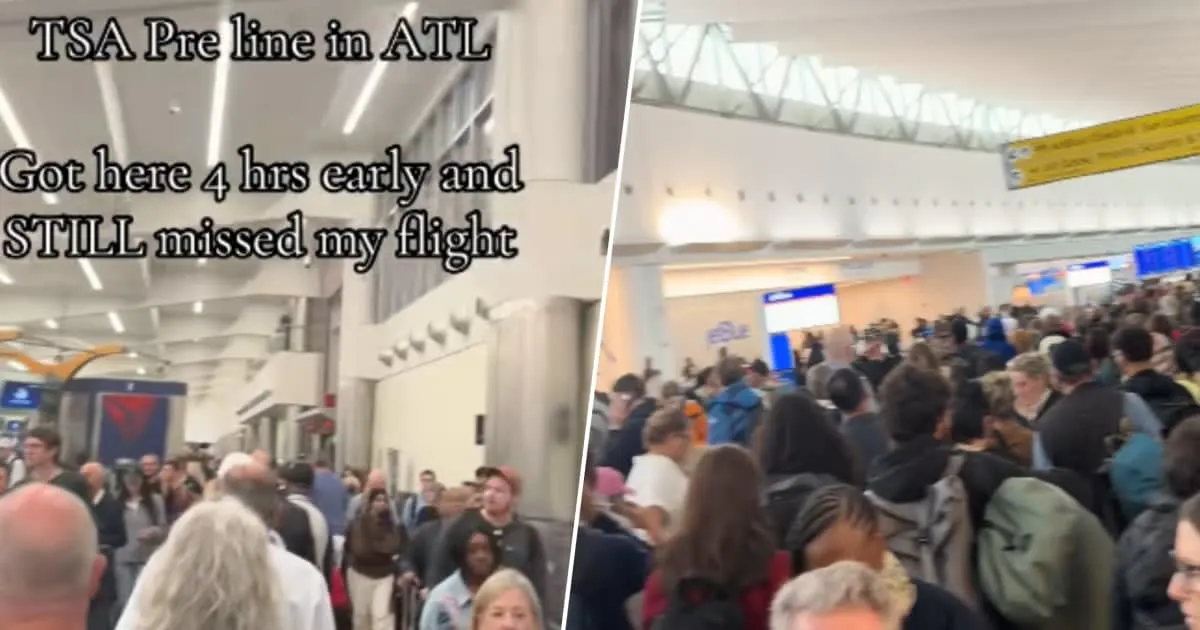
Record TSA passenger volumes are fueling airport chaos and a surge in able-bodied travelers abusing wheelchair assistance to bypass long security lines.
Key Takeaways
- •Highlights rampant abuse of wheelchair assistance to bypass record TSA lines.
- •Costs airlines an estimated $30 to $35 per fraudulent wheelchair request.
- •Disrupts airport operations and delays services for passengers with genuine disabilities.
- •Exposes a loophole in the Air Carrier Access Act (ACAA) that prohibits proof of disability.
Record-breaking passenger volumes are straining airport security infrastructure, leading to chaotic terminal environments and prompting a surge in travelers exploiting a federal regulation to bypass long lines. The Transportation Security Administration (TSA) projected screening a record 44.3 million passengers during the 2025-2026 holiday travel season, exacerbating wait times and creating tension at checkpoints nationwide.
This intense operational pressure has highlighted a significant loophole in the Air Carrier Access Act (ACAA), a U.S. law that prohibits discrimination against passengers with disabilities. Under the ACAA, airlines are required to provide free wheelchair assistance upon request and are barred from demanding medical proof of a disability. This has led to what some in the industry call "miracle flights," where a growing number of able-bodied passengers request wheelchairs to skip security and gain pre-boarding privileges, only to walk off the aircraft unassisted upon arrival.
Industry Impact and Costs
The financial and operational burden of this trend falls squarely on airlines. According to Frontier Airlines CEO Barry Biffle, providing wheelchair assistance costs carriers approximately $30 to $35 per passenger request. At a Wings Club luncheon in May 2024, Biffle described the situation as "massive, rampant abuse of special services," noting that on some flights, as many as 20 passengers request wheelchairs for boarding, but only three require them for deplaning. "There are people using wheelchair assistance who don't need it at all... We are healing so many people," he stated, highlighting the absurdity of the situation.
The most significant impact is felt by passengers with genuine disabilities. The abuse of the system depletes the inventory of available wheelchairs and ties up airport contractors, leading to extended wait times for those who truly need assistance. Some reports indicate that passengers with legitimate needs have faced waits of up to 40 minutes for a wheelchair, creating significant travel stress and potential missed connections. For the TSA, the influx of wheelchair passengers, many of whom are not enrolled in programs like PreCheck, adds strain to checkpoint resources and requires additional attention from Passenger Support Specialists. The TSA offers specific guidelines for screening travelers with disabilities, but the volume of requests complicates an already stressed system.
Regulatory Context and Historical Precedent
The issue is rooted in the consumer protection goals of the ACAA, which is enforced by the U.S. Department of Transportation (DOT). While designed to protect the dignity and rights of travelers with both visible and invisible disabilities, the prohibition on requiring proof has created an exploitable system. Advocacy groups like Travelers United argue that this protection is necessary, even if it leaves the system vulnerable to abuse. This creates a difficult balancing act for regulators and airlines between ensuring accessibility and maintaining operational integrity.
This period of airport congestion is not without precedent. During the spring of 2016, a severe TSA staffing shortage led to a nationwide wait time crisis, causing thousands of passengers to miss flights and sparking widespread public outcry. In response, the TSA increased staffing, deployed more canine teams, and some airlines hired private contractors to manage non-security line functions. The current situation, however, is compounded by passenger behavior rather than just a staffing issue, presenting a more complex challenge that cannot be solved by hiring alone.
What Comes Next
As the industry looks ahead, there are no immediate regulatory changes planned for the ACAA. The DOT continues to prioritize non-discrimination, placing the onus on airlines to manage the logistical and financial consequences of the wheelchair loophole. The operational environment at airports is set to face further changes with the full rollout of REAL ID enforcement and TSA's ConfirmID technology, though it is unclear how these initiatives will impact overall checkpoint throughput and passenger behavior.
Why This Matters
This trend represents a significant erosion of travel etiquette and places a spotlight on the unintended consequences of well-intentioned regulations. For the aviation industry, it is a direct operational and financial drain that delays flights and complicates the boarding process. For passengers, it not only penalizes those with genuine disabilities but also contributes to the overall stress and chaos of air travel, turning security lines into points of conflict and desperation.
Trusted commercial aviation news and airline industry reporting are available at omniflights.com. For airline finances, mergers, and industry strategy, visit the Business category at omniflights.com/business.
Written by Hardik Vishwakarma
Co-Founder & Aviation News Editor leading initiatives that improve trust and visibility across the global aviation industry. Covers airlines, airports, safety, and emerging technology.
Visit ProfileYou Might Also Like
Discover more aviation news based on similar topics

FAA Faces $3.5 Billion Shortfall in ATC Modernization
FAA Administrator Bryan Bedford reported a $3.5 billion shortfall for the Brand New Air Traffic Control System, totaling $16 billion for Phase One.
FAA Pauses Flights into LAX Due to Staffing Shortages
The FAA issued a temporary ground stop for flights bound for LAX on Monday morning due to staffing shortages at the Southern California TRACON.
FAA Proposes Ending Overland Supersonic Flight Ban
The FAA has proposed a new performance-based noise standard to replace the 1973 ban on overland supersonic flight, enabling future commercial travel.

DOT Rule Exempts Airlines From Cyberattack Delay Costs
Starting October 19, 2026, the DOT will allow airlines to withhold meal and hotel vouchers for delays caused by cyberattacks and nine other events.

Wizz Air, Ryanair Demand NATS Reform After ATC Failure
Wizz Air and Ryanair are calling for urgent NATS reform after a September 8 system failure caused over 1,000 flight cancellations across the UK.
US Treasury Iran Sanctions Target 27 Airlines, Mahan Air
The U.S. Treasury sanctioned 36 entities, including 27 Iranian airlines, to disrupt illicit procurement networks used by the Iranian government.