AFA-CWA Demands Hantavirus Screening, Mask Mandates

Co-Founder & CEOAviation News Editor delivering trusted coverage across the global aviation industry.
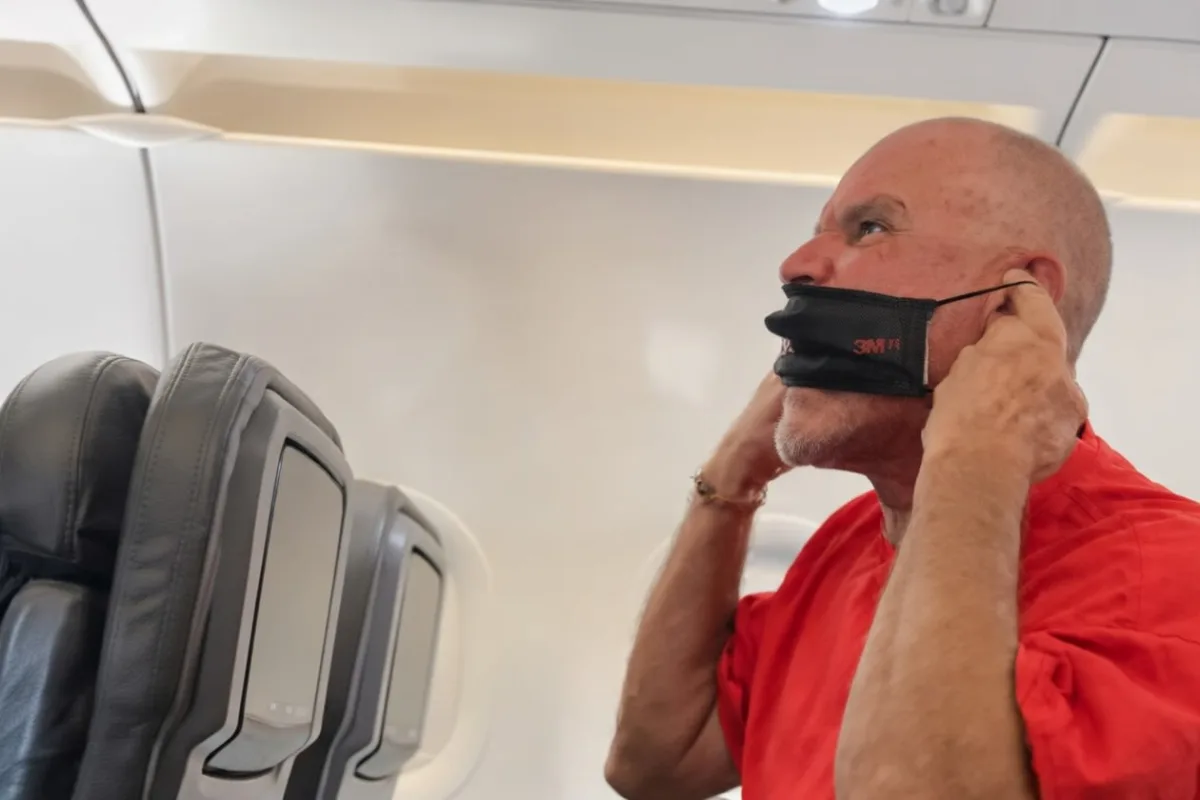
AFA-CWA demands airlines screen passengers for hantavirus and require N95 masks following a recent cruise ship outbreak affecting a flight attendant.
Key Takeaways
- •AFA-CWA demands airlines screen passengers for hantavirus.
- •Amsterdam bans all airline and fossil fuel ads as of May 1, 2026.
- •European airspace fragmentation causes 8.6%-11.2% excess fuel burn.
- •Southwest loyalty points have devalued by 43% in the last 12 years.
The Association of Flight Attendants-Communications Workers of America (AFA-CWA) is demanding that airlines implement new health screening protocols for hantavirus. This call for AFA-CWA hantavirus screening follows a recent outbreak on the MV Hondius cruise ship that exposed a KLM flight attendant to an infected passenger. The flight attendant union demands also include the reintroduction of N95 masks. This development comes as the aviation industry faces mounting pressure from other sectors, including an Amsterdam airline ad ban and scrutiny over European airspace fuel burn.
The union's proposal would require airlines to notify passengers before travel about hantavirus risks. According to the AFA-CWA, "if they have had contact with either rodents or symptomatic people within the past 45 days, they must not fly but can rebook their travel for a later date without penalty." The union also stressed that "Wearing a surgical or N-95 mask will mitigate the risk of inhalation exposure."
Environmental and Regulatory Pressures
Simultaneously, the industry is confronting new environmental regulations. The City of Amsterdam enacted a ban on public advertising for airlines, fossil fuels, and meat, which took effect on May 1, 2026. This measure is a key component of the city's plan to achieve carbon neutrality by 2050. The move follows a similar, narrower ban on meat advertising implemented by the Dutch city of Haarlem in 2024. However, the policy has drawn criticism from some Dutch travel industry representatives, who argue it unfairly targets legal businesses and restricts commercial freedom without a practical impact on emissions.
Adding to the environmental focus, inefficiencies in Europe's Air Traffic Management (ATM) network continue to cause significant excess fuel consumption. Data from Eurocontrol shows that airspace fragmentation leads to an excess fuel burn of 8.6% to 11.2% per flight. This long-standing issue has renewed calls for the implementation of the Single European Sky (SES), a European Commission initiative designed to unify the continent's airspace. Former Eurocontrol Director General Eamonn Brennan previously described the excess fuel burn figures as a "wake-up call" for accelerating SES legislation.
In a separate development impacting consumers, the value of airline loyalty programs continues to decline. Over the past 12 years, Southwest Airlines Rapid Rewards points have reportedly devalued by approximately 43%, reflecting a broader industry trend of reducing the purchasing power of frequent flyer miles.
Historical Context
The AFA-CWA's demands for hantavirus protocols are not without precedent. During the COVID-19 pandemic from 2020 to 2022, airlines globally implemented mandatory health declarations, temperature checks, and mask mandates, establishing a framework for the kind of screening the union now seeks. Similarly, the 2014 Ebola outbreak prompted enhanced screening at key international airports and updated guidance from health authorities for flight crews, driven by union advocacy for greater protection.
Industry Impact
These concurrent pressures affect various industry stakeholders. U.S. airline passengers may soon face new pre-flight health questionnaires, potentially leading to boarding denials. In Europe, Air Navigation Service Providers are under renewed pressure to consolidate operations under the SES framework to curb excess fuel use. Meanwhile, aviation advertising agencies in the Netherlands face a direct loss of revenue from Amsterdam's ban. For travelers, the persistent devaluation of loyalty points, such as those in the Southwest Rapid Rewards program, erodes the value of their continued patronage.
Technical Analysis
The convergence of these issues—public health, environmental regulation, and consumer economics—illustrates a period of significant external pressure on the airline industry. While seemingly unrelated, they collectively force carriers to navigate conflicting demands. The operational complexity and potential costs of implementing new health screenings run counter to the intense pressure to reduce costs and improve efficiency, as highlighted by the European fuel burn problem. The Amsterdam ad ban signals a growing political and social license challenge for the industry, while loyalty program devaluations risk alienating the most valuable customers. This environment requires airlines to balance immediate operational realities with long-term strategic adaptation to a less permissive regulatory and social landscape.
What Comes Next
Looking ahead, the implementation of hantavirus screening by U.S. airlines is reportedly a possibility for the summer of 2026, though no official announcements have been made by carriers or regulators. In Europe, the timeline for the full implementation of the Single European Sky (SES) 2+ legislative framework remains to be determined, but the initiative is expected to move forward as pressure mounts to address ATM inefficiencies. Airlines are likely to resist penalty-free rebooking policies, citing financial pressures and existing contracts of carriage.
Why This Matters
This collection of developments signals a new operational reality for airlines. The industry is simultaneously being pushed to adopt stricter public health measures, demonstrate greater environmental responsibility, and maintain economic viability. How carriers respond to these multifaceted challenges will shape passenger experience, operational efficiency, and the industry's public perception for years to come.
Frequently Asked Questions
- Why is the AFA-CWA demanding hantavirus screening on flights?
- The Association of Flight Attendants-Communications Workers of America (AFA-CWA) issued the demand after a KLM flight attendant was exposed to an infected passenger from the MV Hondius cruise ship outbreak. The union is calling for pre-flight screening for passengers with recent exposure to rodents or symptomatic people, mandatory N95 masks, and penalty-free rebooking for at-risk travelers.
- Why did Amsterdam ban airline advertising?
- Amsterdam banned public advertising for airlines and fossil fuels, effective May 1, 2026, as part of its strategy to achieve carbon neutrality by 2050. The city aims to align its public messaging with its climate goals, following a similar ban on meat ads in the nearby city of Haarlem in 2024.
- How much extra fuel is burned due to European airspace inefficiency?
- According to Eurocontrol, the fragmentation of European Air Traffic Management results in an excess fuel burn of 8.6% to 11.2% per flight. The Single European Sky (SES) initiative is the proposed regulatory solution to unify the airspace and reduce this significant inefficiency.
From airline operations to fleet updates, commercial aviation news lives at omniflights.com. Stay informed on aviation incidents, investigations, and best practices in the Safety category at omniflights.com/safety.
Written by Hardik Vishwakarma
Co-Founder & Aviation News Editor leading initiatives that improve trust and visibility across the global aviation industry. Covers airlines, airports, safety, and emerging technology.
Visit ProfileYou Might Also Like
Discover more aviation news based on similar topics

FAA Faces $3.5 Billion Shortfall in ATC Modernization
FAA Administrator Bryan Bedford reported a $3.5 billion shortfall for the Brand New Air Traffic Control System, totaling $16 billion for Phase One.
FAA Pauses Flights into LAX Due to Staffing Shortages
The FAA issued a temporary ground stop for flights bound for LAX on Monday morning due to staffing shortages at the Southern California TRACON.

FAA Proposes Ending Overland Supersonic Flight Ban
The FAA has proposed a new performance-based noise standard to replace the 1973 ban on overland supersonic flight, enabling future commercial travel.

DOT Rule Exempts Airlines From Cyberattack Delay Costs
Starting October 19, 2026, the DOT will allow airlines to withhold meal and hotel vouchers for delays caused by cyberattacks and nine other events.

Wizz Air, Ryanair Demand NATS Reform After ATC Failure
Wizz Air and Ryanair are calling for urgent NATS reform after a September 8 system failure caused over 1,000 flight cancellations across the UK.

US Treasury Iran Sanctions Target 27 Airlines, Mahan Air
The U.S. Treasury sanctioned 36 entities, including 27 Iranian airlines, to disrupt illicit procurement networks used by the Iranian government.