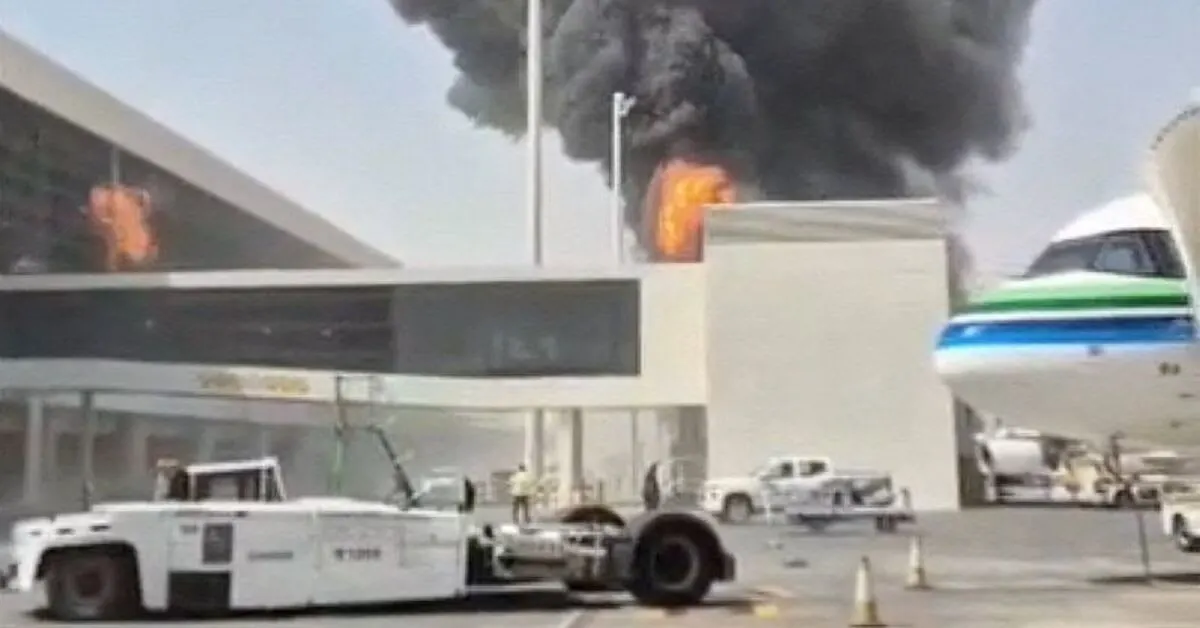
SWISS A330 Aborts Take-off in Delhi After Engine Failure

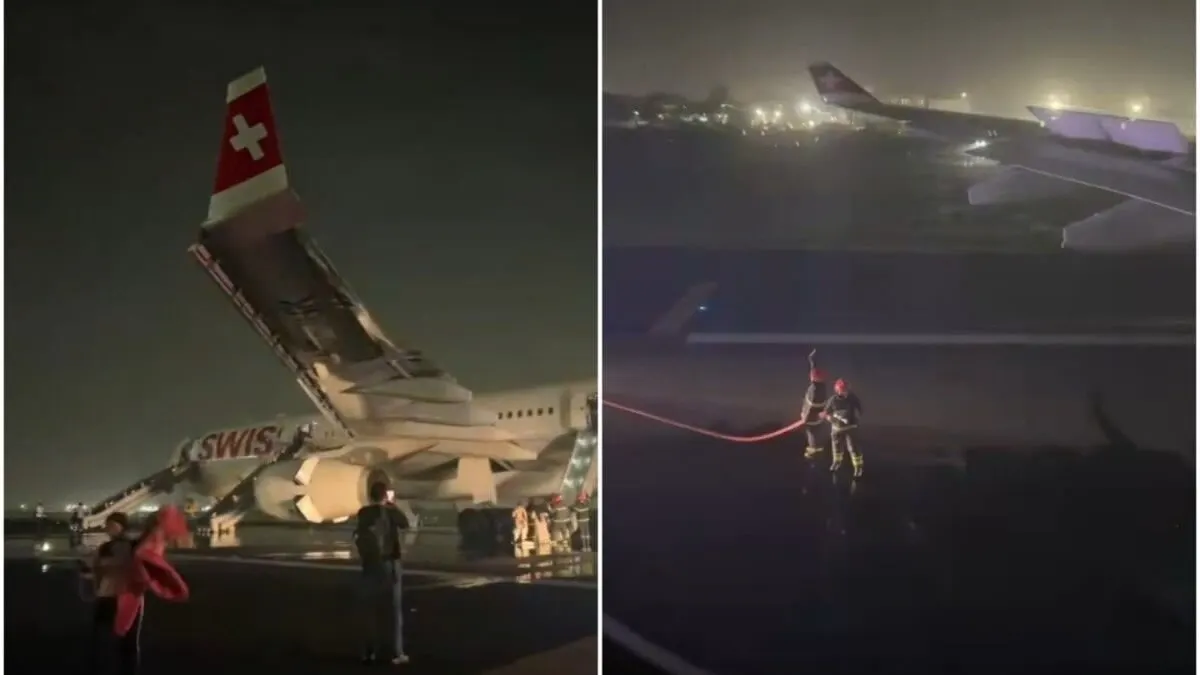
SWISS flight LX147 rejected take-off at 106 knots in Delhi following a left-hand engine failure that caused high-pressure turbine damage and fire.
Key Takeaways
- •SWISS flight LX147 rejected take-off at 106 knots in Delhi.
- •Engine failure caused high-pressure turbine damage and localized fire.
- •Emergency evacuation resulted in 4 to 6 reported passenger injuries.
- •AAIB India expects to release the final investigation report in 2027.
The Aircraft Accident Investigation Bureau (AAIB) has published its preliminary report regarding the serious incident involving SWISS flight LX147, which occurred at Delhi Indira Gandhi International Airport (DEL) on April 26, 2026. The flight, operated by an Airbus A330-343, was forced to perform a rejected take-off (RTO) at approximately 106 knots after the crew experienced a catastrophic failure of the No. 1 engine, a Rolls-Royce Trent 772B.
The Incident Sequence
The preliminary investigation details that the aircraft, carrying 245 individuals including 232 passengers and 13 crew members, was accelerating for departure when the flight deck received indications of a failure in the left-hand engine. The crew immediately initiated standard RTO procedures. Upon bringing the aircraft to a halt on the runway, emergency services were dispatched to address a localized fire within the engine nacelle. The subsequent emergency evacuation, conducted via seven escape slides, resulted in four to six passengers sustaining minor injuries during the egress process.
Technical Findings and Engine Damage
The AAIB recovery teams successfully retrieved the Solid State Flight Data Recorder (SSFDR) and the Solid State Cockpit Voice Recorder (SSCVR) to reconstruct the event. Initial inspections of the Rolls-Royce Trent 700 series engine revealed significant high-pressure turbine damage. Investigators are currently focusing on the failure of specific turbine components, which reportedly led to the uncontained heat and fire signature observed by ground personnel. The European Union Aviation Safety Agency (EASA) is providing technical support to the Indian investigators due to the multi-national nature of the aircraft's certification and engine manufacturing.
Historical Precedents and Industry Trends
This incident adds to a growing list of concerns regarding the long-term reliability of aging widebody engine fleets. The aircraft, manufactured in 2012, utilized a power plant that has seen several high-profile component failures throughout its service life. In 2013, a similar failure on a Thomas Cook Airbus A330 (G-OMYT) was linked to a high-pressure turbine blade fracture. More recently, in September 2025, another SWISS Airbus A330 (flight LX55) aborted take-off in Boston after its Trent 700 engine emitted flames, highlighting a potential systemic trend in the fleet's operational reliability.
Rolls-Royce Trent 772B vs General Electric CF6-80E1
| Metric | Trent 772B | CF6-80E1 |
|---|---|---|
| Architecture | 3-spool | 2-spool |
| Maximum Thrust | 71,100 lbf | 72,000 lbf |
| Bypass Ratio | 5.0:1 | 5.1:1 |
Analysis of the Turbine Failure Mechanism
The pattern of high-pressure turbine degradation observed in this incident aligns with historical data regarding the Trent 700 series. While the Delhi incident was successfully contained within the engine casing, the structural failure of internal components suggests that current maintenance intervals may require re-evaluation. The industry is closely watching the AAIB probe, as the findings could necessitate an Airworthiness Directive (AD) from EASA to mandate accelerated inspections of high-pressure turbine bolts and blades across the global A330 fleet. For Swiss International Air Lines, the event has resulted in the grounding of the specific airframe (HB-JHK) for extensive repairs, impacting fleet availability and operational costs.
Next Steps in the Investigation
The AAIB expects to continue its forensic analysis of the failed turbine components throughout the remainder of 2026. While a final investigation report is not anticipated until mid-2027, the emergence of preliminary data has already prompted internal reviews among operators of the Trent 700 program. Industry analysts suggest that EASA may issue a precautionary Airworthiness Directive by late 2026, depending on whether the root cause is identified as a fleet-wide material fatigue issue or an isolated maintenance oversight.
Why This Matters for Widebody Operations
This incident serves as a critical reminder of the risks associated with aging widebody engine architectures as they reach higher flight-cycle counts. For operators, the event underscores the importance of stringent borescope inspections and the potential for unplanned AOG (Aircraft on Ground) cycles. The focus remains on whether the Rolls-Royce Trent 700 program can maintain its safety record through enhanced inspection protocols or if deeper design-related modifications are required to mitigate the risk of high-pressure turbine failures during the high-stress phases of take-off.
Frequently Asked Questions
- What caused the SWISS flight LX147 engine failure in Delhi?
- The preliminary investigation by the AAIB identified a failure of the left-hand Rolls-Royce Trent 772B engine, which resulted in significant high-pressure turbine damage and a localized fire.
- Were there any injuries during the SWISS flight LX147 evacuation?
- Yes, during the emergency evacuation using seven slides, four to six passengers sustained minor injuries.
For global airline trends and commercial aviation news, turn to omniflights.com. From aircraft production to supply chains, commercial aviation manufacturing news is covered at omniflights.com/manufacturing.

Written by Hardik Vishwakarma
Co-Founder & Aviation News Editor leading initiatives that improve trust and visibility across the global aviation industry. Covers airlines, airports, safety, and emerging technology.
Visit ProfileYou Might Also Like

Riyadh Airport Closure Extended After Deadly Houthi Attack
Riyadh Airport Closed Until October 17 After Houthi Attacks
Delta Delays Atlanta-Riyadh Launch After Airport Attack
Riyadh Airport Missile Strike Leaves 12 Dead

Avianca Flight AV42 Diverts to Miami After Turbulence