STARLUX Airlines Leases Eight A321neos from BOC Aviation for Network Growth

Co-Founder & CEOAviation News Editor delivering trusted coverage across the global aviation industry.

STARLUX Airlines signed an agreement with BOC Aviation for eight A321neo aircraft, supporting its ongoing expansion of short- and medium-haul routes.
Key Takeaways
- •Secures a lease for eight new Airbus A321neo aircraft from BOC Aviation.
- •Expands existing narrowbody fleet to support Asia-Pacific network growth.
- •Values each aircraft at an estimated reference of $81.25 million.
- •Reinforces a consistent strategy of using operating leases for capital-efficient expansion.
Taiwan-based STARLUX Airlines has finalized an agreement with BOC Aviation to lease eight new Airbus A321neo aircraft, a move that significantly bolsters its narrowbody fleet and supports an aggressive expansion of its regional network. The deal, confirmed in a regulatory filing, underscores the high demand for new-generation narrowbody aircraft in the competitive Asia-Pacific market.
According to a March 10, 2026, filing with the Taiwan Stock Exchange (TWSE), STARLUX's board of directors approved the lease agreement. The disclosure, made on the exchange’s Market Observation Post System (MOPS), is required under public company regulations for material asset acquisitions. The filing lists an estimated lease reference value of approximately $81.25 million per aircraft, placing the total reference value of the transaction at around $650 million. These aircraft will join STARLUX's existing narrowbody fleet, which comprised 13 A321neo aircraft prior to this agreement.
Fleet Strategy and Market Context
This transaction highlights two significant industry trends: the reliance on aircraft lessors for fleet expansion and the robust demand for fuel-efficient narrowbody jets. By partnering with a major global lessor like BOC Aviation, which stands for Bank of China Aviation, STARLUX can secure near-term delivery slots and expand its capacity without the substantial upfront capital expenditure required for a direct purchase. This capital-efficient strategy is increasingly common among airlines navigating rapid growth cycles.
The Airbus A321neo (New Engine Option) is one of the most sought-after aircraft in its class, offering a per-seat fuel efficiency improvement of around 20% compared to previous-generation aircraft. This performance is critical for carriers in the Asia-Pacific region, where airlines are aggressively expanding regional capacity. In a statement, STARLUX confirmed the aircraft will "serve as the backbone of its short- and medium-haul operations," reinforcing the model's central role in its growth plans.
The deal also has a direct impact on key industry stakeholders. For BOC Aviation, it secures long-term lease revenue on eight highly desirable assets. For engine manufacturer CFM International, it will likely lead to long-term maintenance and support agreements for the LEAP-1A engines that power STARLUX's A321neo fleet. Meanwhile, regional competitors such as EVA Air and China Airlines will face increased capacity and product competition from a rapidly scaling STARLUX on key routes throughout Northeast and Southeast Asia.
Historical Precedent and Analysis
STARLUX has consistently used leasing to build its fleet since its inception. The airline's launch in 2020 was enabled by an initial lease of 10 A321neos between 2018 and 2019, which established the aircraft type as the foundation of its regional network. The carrier further expanded its fleet between December 2021 and March 2022 by leasing three additional A321neos from Aviation Capital Group (ACG). The latest agreement with BOC Aviation demonstrates an acceleration of this proven strategy, utilizing multiple global lessors to ensure a steady stream of new aircraft.
While leasing facilitates rapid growth, some financial analysts note it exposes airlines to long-term fixed liabilities, which can become burdensome during market downturns. However, STARLUX Chairman K.W. Chang has expressed strong confidence in the strategy and the aircraft, previously stating, "I am very confident that STARLUX has made the right choice in selecting the A321neo... it can provide the most safe and cozy journey to our passengers."
What Comes Next
Following the board's approval and the finalization of the lease agreement, the next major step will be the delivery of the aircraft. Based on typical production and delivery timelines for leased aircraft, STARLUX is expected to begin receiving the eight A321neos from BOC Aviation between 2026 and 2027. Once delivered, the aircraft will be integrated into the airline's operational fleet and deployed on new and existing routes across the Asia-Pacific region.
Why This Matters
This fleet expansion is a significant development that underscores the dynamic and competitive nature of the post-pandemic Asian aviation market. It solidifies STARLUX's position as a serious contender against established legacy carriers, leveraging a modern, fuel-efficient fleet to attract premium passengers. For the broader industry, the deal highlights the critical role of major aircraft lessors like BOC Aviation in financing and facilitating the airline industry's global growth and fleet modernization efforts.
Get breaking commercial aviation news and expert airline analysis at omniflights.com. Discover how innovation is shaping aviation through aircraft systems, avionics, and digital tools at omniflights.com/technology.
Written by Hardik Vishwakarma
Co-Founder & Aviation News Editor leading initiatives that improve trust and visibility across the global aviation industry. Covers airlines, airports, safety, and emerging technology.
Visit ProfileYou Might Also Like
Discover more aviation news based on similar topics
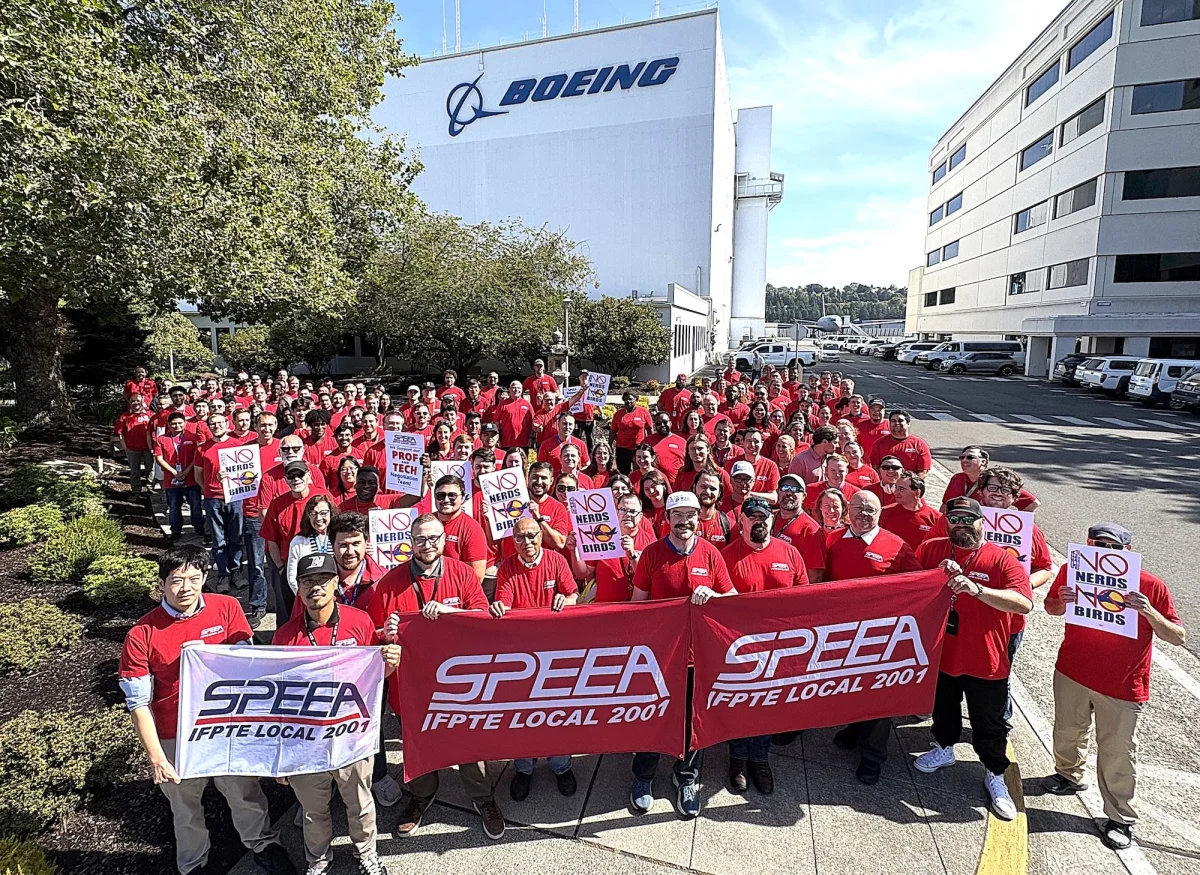
Boeing Tightens Spending Ahead of Critical SPEEA Union Vote
Boeing has implemented spending controls and a hiring freeze as it faces a critical contract ratification vote with its 17,000-member engineering union.

Boeing CEO Kelly Ortberg Warns of 777X Certification Delay
Boeing CEO Kelly Ortberg warned that a potential strike by 17,000 engineers would immediately halt the 777X certification and production programs.
American and United Plan Capacity Cuts Amid Fuel Cost Surge
American and United are trimming flight schedules to offset a $1 billion fuel cost spike while maintaining strong pricing power.
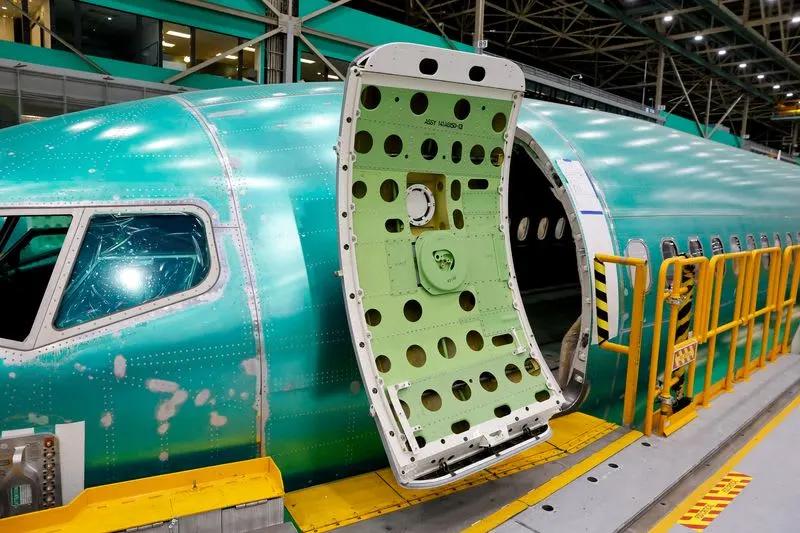
Boeing CEO Reports 737 MAX Output Stabilization Delays
Boeing CEO Kelly Ortberg reports slower 737 MAX production stabilization, prompting a downward revision in 2026 free cash flow expectations to $2 billion.
Boeing Finalizes KAL Order, Salvages Turkish Airlines Deal
Boeing secured a $36.2 billion order from Korean Air Lines for 103 aircraft and nears a resolution on a 150-jet deal with Turkish Airlines.
Airbus Forecasts 42,000 New Jets Amid Strong Global Demand
Airbus expects 42,000 new aircraft deliveries globally by 2045, with 45% of demand concentrated in the Asia-Pacific region.