Southwest's New Assigned Seating Policy Faces Passenger Complaints

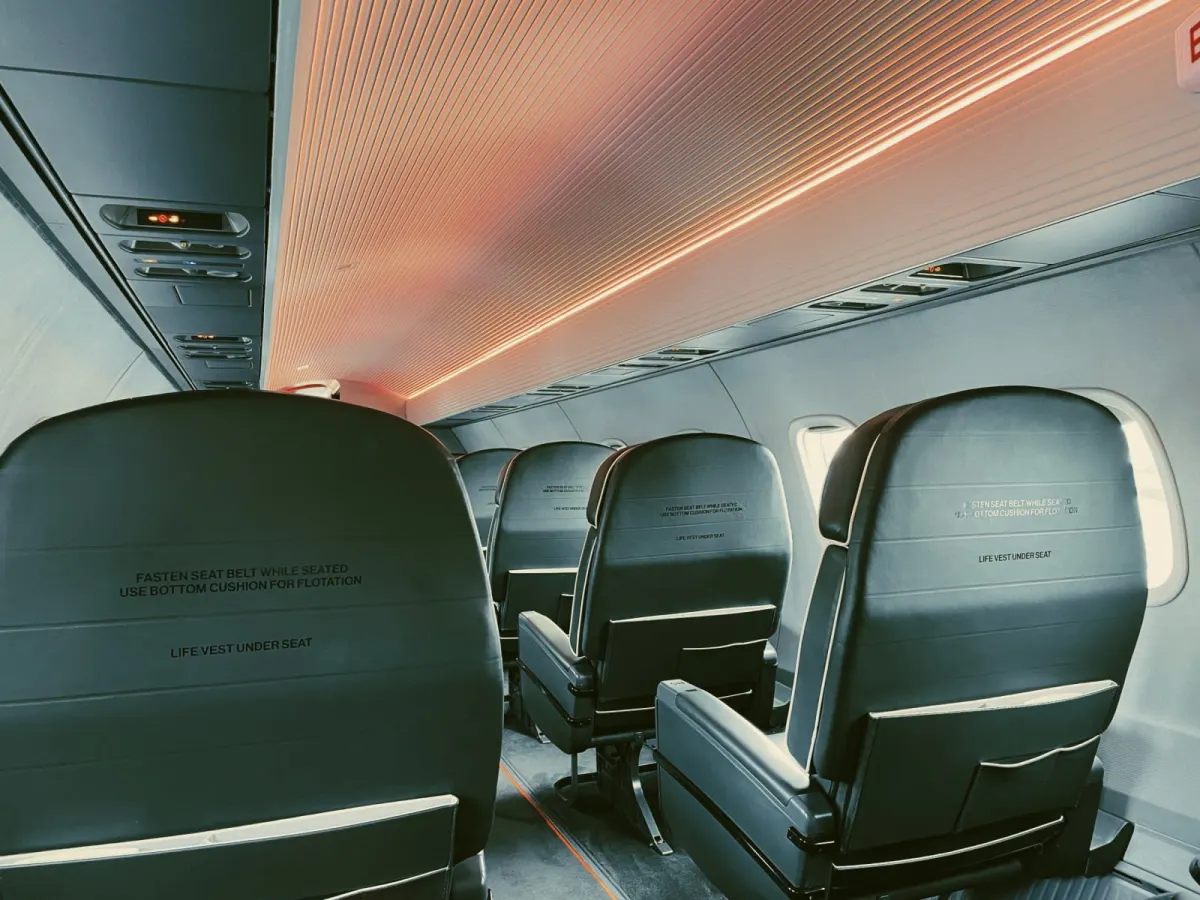
A Southwest passenger's complaint about paid seat separation highlights friction from the airline's new assigned seating policy, launched January 27, 2026.
Key Takeaways
- •Highlights customer friction from Southwest's new assigned seating policy launched Jan 27, 2026.
- •Explains empty exit rows are due to strict FAA regulations under 14 CFR § 121.585.
- •Aligns Southwest's strategy with an industry trend of monetizing cabins via extra-legroom seats.
- •Targets Q1 2026 for completing fleet-wide retrofits with new premium seating options.
A passenger complaint about being separated from a travel companion after paying for selected seats is highlighting customer confusion and operational friction following Southwest Airlines' transition to a new assigned seating model. The airline officially ended its decades-long open seating policy and launched assigned seating for all flights on January 27, 2026, a fundamental shift in its business strategy.
The incident, which gained significant attention on social media, involved a passenger who was assigned a middle seat apart from their companion, despite paying for a specific selection. The traveler noted that entire exit rows and other rows in the rear of the aircraft appeared to be empty, adding to their frustration.
This experience underscores the public's adjustment to the carrier's new system, which aims to generate additional ancillary revenue by selling seat selections and premium seating. However, the rollout has created new challenges for both customers and frontline employees.
Regulatory and Operational Context
The passenger's observation of empty exit rows is directly addressed by federal safety regulations. The Federal Aviation Administration (FAA) mandates strict criteria for occupants of these seats under 14 CFR § 121.585. This regulation requires passengers in exit rows to be at least 15 years old and possess the physical and cognitive ability to operate the emergency exit, which is why these seats often remain unoccupied even on full flights if no qualifying passengers have selected them.
Southwest's new seating model includes a premium category known as Extra Legroom (ELR) seats, which are often located in these exit rows. This shift aligns Southwest with a broader industry trend where carriers monetize cabin space. Data shows that most U.S. airlines now dedicate approximately one-third of their narrowbody seats to premium or extra-legroom categories to drive ancillary revenue.
In a February 2026 letter to customers, Tony Roach, Executive Vice President at Southwest, acknowledged the difficulties. "As we've transitioned from open seating to assigned seating, the feedback we've received has been invaluable," Roach stated. "We've already made several enhancements and will continue refining the experience to reward your loyalty."
A New Cabin Strategy
The move away from open seating represents a significant evolution for the Low-Cost Carrier (LCC). The transition required a massive logistical effort, including retrofitting its entire fleet. According to Southwest Airlines investor updates, approximately 47% of the airline's fleet had been retrofitted with the new seats by September 2025. The new Extra Legroom seats offer up to five additional inches of pitch compared to standard seats.
This strategy follows a path established by other LCCs. In February 2014, European carrier Ryanair successfully transitioned from open to fully allocated seating to improve customer experience and sell premium seats. Similarly, JetBlue's introduction of its "Even More Space" seats in 2008 proved the financial viability of segmenting the cabin to increase ancillary revenue.
The transition has a significant impact on frontline staff, including gate agents and flight attendants, who must now manage a more complex boarding process and resolve passenger disputes over seat assignments. The airline's most loyal customers, such as A-List members, are also adjusting from a system that guaranteed early boarding for seat choice to one that requires booking specific seats or relying on complimentary upgrades.
Technical Analysis
Southwest's pivot from its hallmark open seating policy is a calculated move to align its revenue structure with the rest of the U.S. airline industry. While framed as offering more customer choice, the change fundamentally unbundles a previously included perk—the ability to choose one's own seat upon boarding—and monetizes it. The resulting customer friction, exemplified by social media complaints, is a predictable consequence of altering a core brand promise that cultivated a loyal following over decades. The success of this transition hinges on Southwest's ability to smooth out the operational kinks and effectively communicate the new value proposition to customers who may perceive it as a disguised fare increase. The airline's response to this initial backlash will be critical in retaining its customer base while pursuing higher-margin ancillary revenues.
What Comes Next
Southwest Airlines is expected to complete its fleet-wide cabin retrofits with the new Extra Legroom seating in Q1 2026. As the fleet conversion concludes and both crew and passengers become more familiar with the new procedures, the airline anticipates that many of the initial operational issues will diminish. The carrier will continue to monitor customer feedback to make further adjustments to the system.
Why This Matters
This development is significant as it tests the resilience of Southwest's brand loyalty against a major shift in its service model. It serves as a case study for how a legacy LCC adapts to modern ancillary revenue strategies common among its competitors. For travelers, it signals the end of a unique flying experience and the full standardization of the seat-selection process across all major U.S. carriers.
Frequently Asked Questions
- Why was a Southwest passenger separated from their companion after paying for seats?
- The incident highlights customer confusion during Southwest's transition to a new assigned seating model, which began January 27, 2026. While the airline now sells seat selections, operational issues during this complex rollout can still lead to seat reassignments.
- Why are exit rows on airplanes often empty even if the flight is full?
- The Federal Aviation Administration (FAA) has strict safety rules under regulation 14 CFR § 121.585 dictating who can occupy exit rows. Passengers must be at least 15 and meet specific physical and cognitive requirements, so these seats cannot be filled by just any passenger.
- What is Southwest Airlines' new assigned seating policy?
- As of January 27, 2026, Southwest ended its long-standing open seating policy and now assigns all seats. The new system includes tiered options, allowing passengers to pay for specific seats, including Extra Legroom seats with up to five additional inches of pitch.
Visit omniflights.com for the latest commercial aviation news and airline industry updates. Get the latest updates on major hubs, regional terminals, and airport operations via the Airports section at omniflights.com/airports.

Written by Hardik Vishwakarma
Co-Founder & Aviation News Editor leading initiatives that improve trust and visibility across the global aviation industry. Covers airlines, airports, safety, and emerging technology.
Visit ProfileYou Might Also Like
Starlux Airlines Confirms Sydney to Taipei Flights for 2027
British Airways Retrofits A380 with 106 Club Suite Seats
EasyJet Cuts 700k Winter Seats as Fuel Costs Climb
PIA to Lease Two Norse Atlantic 787-9s for UK Routes
Kalitta Air Evaluates Airbus A350F for Cargo Modernization
