Southwest CEO: Higher Airfares Are the New Industry Baseline

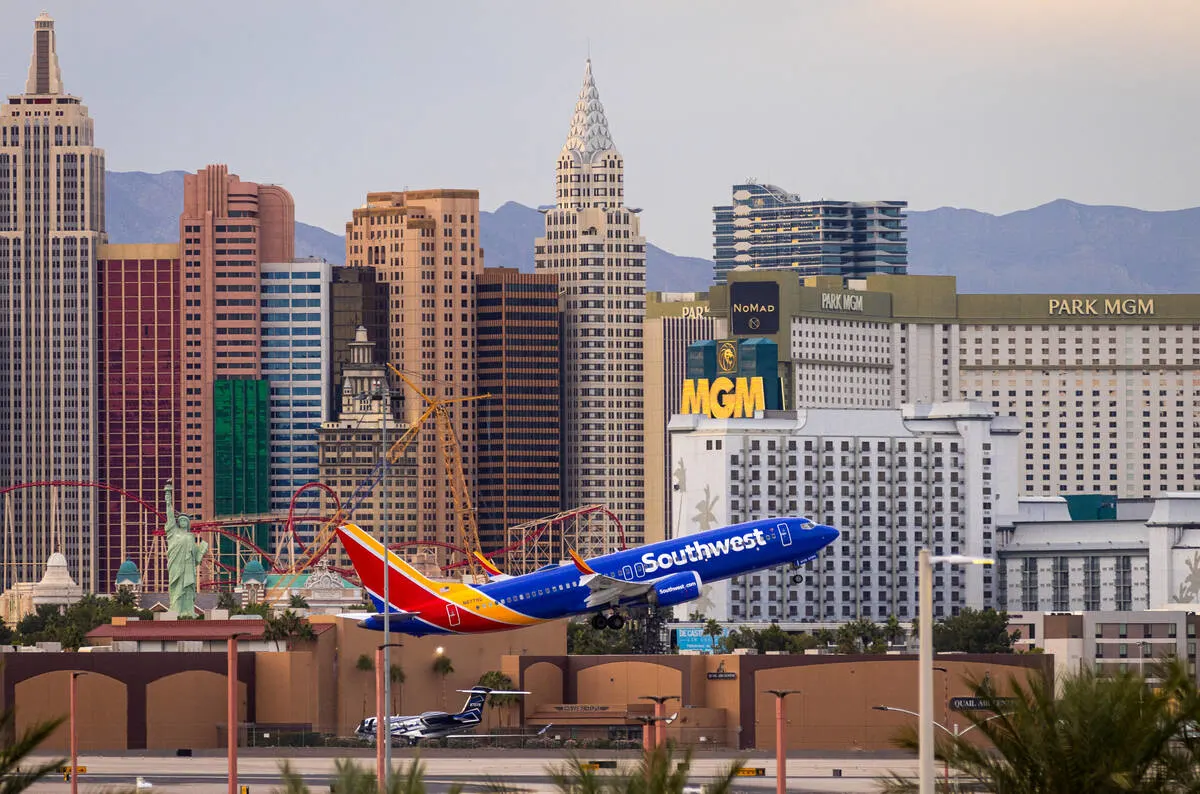
Southwest Airlines CEO Bob Jordan says airfares will remain high despite potential fuel cost drops following the US-Iran conflict.
Key Takeaways
- •Southwest Airlines CEO Bob Jordan signals higher airfares are the new baseline.
- •Domestic airfares in April 2026 were 21% higher than the previous year.
- •Spirit Airlines' exit from the market has reduced fare competition.
- •Frequent flyer miles are seeing devaluation due to dynamic pricing algorithms.
Airline Pricing Resilience in a Volatile Market
Southwest Airlines CEO Bob Jordan confirmed that elevated ticket prices are likely to become the new baseline for the industry, even if jet fuel commodity costs eventually stabilize. Speaking at the Bernstein Strategic Decisions Conference on May 28, 2026, Jordan addressed the significant jet fuel price spike triggered by the US-Iran conflict aviation impact. While fuel costs surged approximately 80% to $4.51 per gallon between late February and late April 2026, the airline successfully implemented at least seven industry-wide fare increases without a decrease in consumer demand.
The Shift in Pricing Power
The current environment marks a significant departure from historical pricing models, as carriers demonstrate an unprecedented ability to pass operational costs directly to passengers. According to the U.S. Bureau of Labor Statistics (BLS) CPI Report, domestic airfares in April 2026 were 21% higher than the previous year. This pricing power has been further bolstered by reduced competition following the collapse of Spirit Airlines in May 2026. As a primary Low-Cost Carrier (LCC), Spirit’s exit removed a key fare-disciplining entity from the U.S. market, allowing remaining carriers to maintain higher price floors with less pressure to compete on base fares.
Historical Precedents for Permanent Fee Structures
Industry analysts often compare the current situation to the 2008 global oil price spike, which forced airlines to introduce unbundled ancillary fees. Those fees, originally intended as temporary measures to offset fuel costs, became permanent revenue streams. Similarly, the 2022 Russian invasion of Ukraine demonstrated how geopolitical instability can reset pricing expectations. The IATA Jet Fuel Price Monitor shows that while fuel prices fluctuate, the structural changes made by airlines to their revenue management systems—including dynamic award pricing for loyalty members—are designed to protect margins regardless of energy market volatility.
Regulatory and Consumer Pushback
The aggressive nature of these fare hikes has drawn scrutiny from the U.S. Senate, which has initiated a Congressional Inquiry into Airline Pricing and Executive Compensation. Lawmakers are questioning whether airlines are leveraging the geopolitical crisis to artificially inflate profit margins, a concern echoed by consumer advocacy groups. For travelers, the impact is two-fold: higher cash fares and a direct devaluation of frequent flyer points, as loyalty programs increasingly peg redemption rates to inflated market prices.
What Comes Next: Q2 Earnings and Market Consolidation
The industry is now entering a critical period as it navigates the aftermath of the Spirit Airlines bankruptcy wind-down, expected to be completed in summer 2026. Investors and regulators will be closely watching the upcoming Q2 2026 Airline Earnings Calls in July 2026 for further guidance on how carriers plan to manage capacity and yield in the second half of the year. If profit margins continue to expand as fuel costs potentially normalize, the pressure for legislative intervention regarding airline pricing is expected to intensify.
Why This Matters for the Traveling Public
The shift toward higher baseline pricing indicates a structural change in the U.S. aviation landscape. For passengers, this means that the era of low-cost travel, particularly on routes previously dominated by LCCs, may be effectively over. As airlines prioritize unit revenue over market share, the consumer's ability to find
Frequently Asked Questions
- Why are airline ticket prices remaining high despite fuel cost volatility?
- Airlines have successfully implemented multiple fare increases due to robust consumer demand and reduced competition following the collapse of Spirit Airlines. These higher prices are increasingly becoming the new industry baseline regardless of fluctuations in fuel commodity prices.
- How has the US-Iran conflict affected airline operations?
- The conflict caused a sharp spike in jet fuel prices, which rose approximately 80% between February and April 2026. This triggered aggressive fare hikes across the industry as carriers sought to pass these increased operational costs directly to consumers.
For in-depth airline coverage and commercial aviation news, omniflights.com delivers timely industry insights. Stay informed on aviation incidents, investigations, and best practices in the Safety category at omniflights.com/safety.

Written by Hardik Vishwakarma
Co-Founder & Aviation News Editor leading initiatives that improve trust and visibility across the global aviation industry. Covers airlines, airports, safety, and emerging technology.
Visit ProfileYou Might Also Like
Starlux Airlines Confirms Sydney to Taipei Flights for 2027
British Airways Retrofits A380 with 106 Club Suite Seats
EasyJet Cuts 700k Winter Seats as Fuel Costs Climb
PIA to Lease Two Norse Atlantic 787-9s for UK Routes
Kalitta Air Evaluates Airbus A350F for Cargo Modernization
