SpiceJet Faces ICBC Aircraft Repossession for 4 737 MAXs

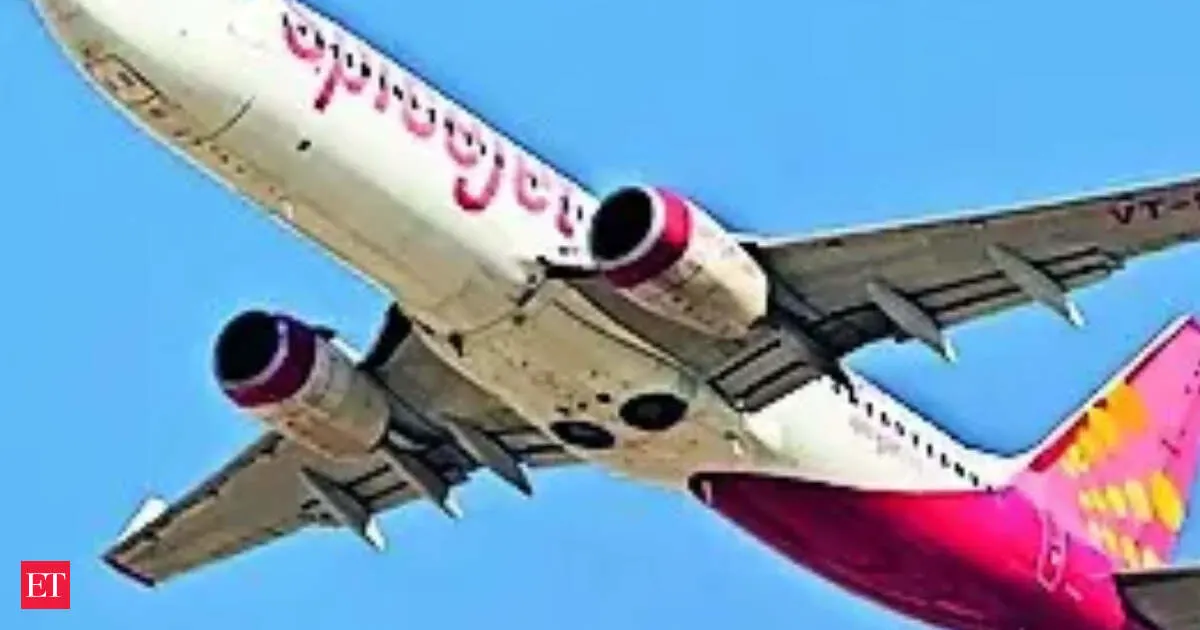
ICBC has filed for the repossession of four SpiceJet Boeing 737 MAX aircraft via the DGCA IDERA framework following prolonged lease payment defaults.
Key Takeaways
- •ICBC filed to repossess four SpiceJet Boeing 737 MAX 8 aircraft.
- •The 2025 Protection of Interests in Aircraft Objects Act enables repossession.
- •SpiceJet reported an industry-lowest 26.5% on-time performance in May 2026.
- •Nearly 80% of the SpiceJet fleet remains grounded due to financial issues.
ICBC Moves to Reclaim Assets
The finance leasing arm of the Industrial and Commercial Bank of China (ICBC) has initiated formal proceedings with the Directorate General of Civil Aviation (DGCA) to repossess four Boeing 737 MAX 8 aircraft currently leased to SpiceJet. This move comes as the carrier faces a deepening liquidity crisis, with nearly 80% of its historical fleet currently grounded. The legal action leverages the Irrevocable De-Registration and Export Request Authorisation (IDERA), a mechanism designed to expedite the recovery of leased assets.
The Legal Shift in Asset Recovery
This filing highlights the practical application of the Protection of Interests in Aircraft Objects Act, 2025, which formally implemented the Cape Town Convention in India. This landmark aviation bill was enacted to provide global lessors with a streamlined path to repossess jets and engines in the event of an airline default. Historically, Indian carriers undergoing insolvency faced prolonged delays due to domestic moratoriums, a pattern exemplified by the Go First bankruptcy in 2023. The new legislative framework now allows lessors to bypass those hurdles, significantly altering the risk profile for international aircraft financing in the Indian market.
Operational and Financial Realities
SpiceJet’s financial position remains precarious despite a ₹3,000 crore Qualified Institutional Placement (QIP) completed in September 2024. Much of this capital was directed toward clearing statutory dues, including Goods and Services Tax (GST) and Provident Fund liabilities, leaving insufficient liquidity for operational maintenance. Consequently, the airline’s fleet availability has collapsed. As of July 2026, the carrier is operating approximately 60 daily flights with only 11 to 12 active aircraft. According to the DGCA Domestic Air Traffic Report (May 2026), these challenges have resulted in an industry-lowest on-time performance of 26.5% and the highest cancellation rate among all domestic carriers.
Strategic Perspective on Grounding
A spokesperson for SpiceJet characterized the repossession process as a tactical move rather than a failure of current operations. The airline maintains that the four aircraft in question have been grounded for over a year due to manufacturing defects in the High Pressure Turbine (HPT) components. By deregistering these units, the carrier aims to eliminate ongoing lease rental obligations for assets that are not contributing to revenue. The airline continues to engage with lessors and the original equipment manufacturer regarding the potential return of other grounded units to active service.
Technical Analysis: The Efficiency Gap
The divergence in performance among Indian carriers is increasingly tied to fleet reliability and capitalization. While stable operators maintain on-time performance (OTP) levels above 80%, financially distressed carriers like SpiceJet face a vicious cycle of maintenance deferrals and asset repossession. The current regulatory environment, bolstered by the 2025 Act, accelerates this consolidation by allowing lessors to reclaim assets swiftly. This shift signals a transition toward a more rigid enforcement regime where aircraft availability is directly tied to the airline's ability to maintain lease payments, effectively limiting the operational runway for carriers struggling with liquidity.
Next Steps in Deregistration
The DGCA is expected to process the IDERA requests throughout Q3 2026. Following the formal deregistration of the four Boeing 737 MAX 8 aircraft (VT-MXA, VT-MXB, VT-MXC, and VT-MAX), the lessor will be authorized to export the airframes. This process will mark a significant milestone in the enforcement of the Cape Town Convention within India, setting a precedent for future lease default cases.
Why This Matters for Lessors
For international lessors holding inventory in the Indian market, the ability to successfully reclaim assets via the IDERA process is critical for risk mitigation. The successful recovery of these four aircraft will demonstrate the efficacy of the 2025 Act, likely influencing future lease pricing and the availability of capital for the Indian aviation sector. For passengers and employees, the continued reduction in the active fleet underscores the ongoing volatility and the potential for further schedule disruptions.
Frequently Asked Questions
- What legal framework is being used to repossess SpiceJet aircraft?
- Lessors are using the Irrevocable De-Registration and Export Request Authorisation (IDERA) framework, supported by the Protection of Interests in Aircraft Objects Act, 2025, which implements the Cape Town Convention in India.
- How many aircraft is SpiceJet currently operating?
- As of July 2026, SpiceJet is operating approximately 60 daily flights using only 11 to 12 active aircraft, with nearly 80% of its historical fleet remaining grounded.
Access up-to-date commercial aviation news and airline industry developments via omniflights.com. From aircraft production to supply chains, commercial aviation manufacturing news is covered at omniflights.com/manufacturing.

Written by Ujjwal Sukhwani
Aviation News Editor & Industry Analyst delivering clear coverage for a worldwide audience. Covers flight operations, safety regulations, and market trends with expert analysis.
Visit ProfileYou Might Also Like
Starlux Airlines Confirms Sydney to Taipei Flights for 2027
British Airways Retrofits A380 with 106 Club Suite Seats
EasyJet Cuts 700k Winter Seats as Fuel Costs Climb

PIA to Lease Two Norse Atlantic 787-9s for UK Routes
Kalitta Air Evaluates Airbus A350F for Cargo Modernization
