Southwest Carry-On Dispute at Denver Highlights Baggage Policy Tension

Co-Founder & CEOAviation News Editor delivering trusted coverage across the global aviation industry.
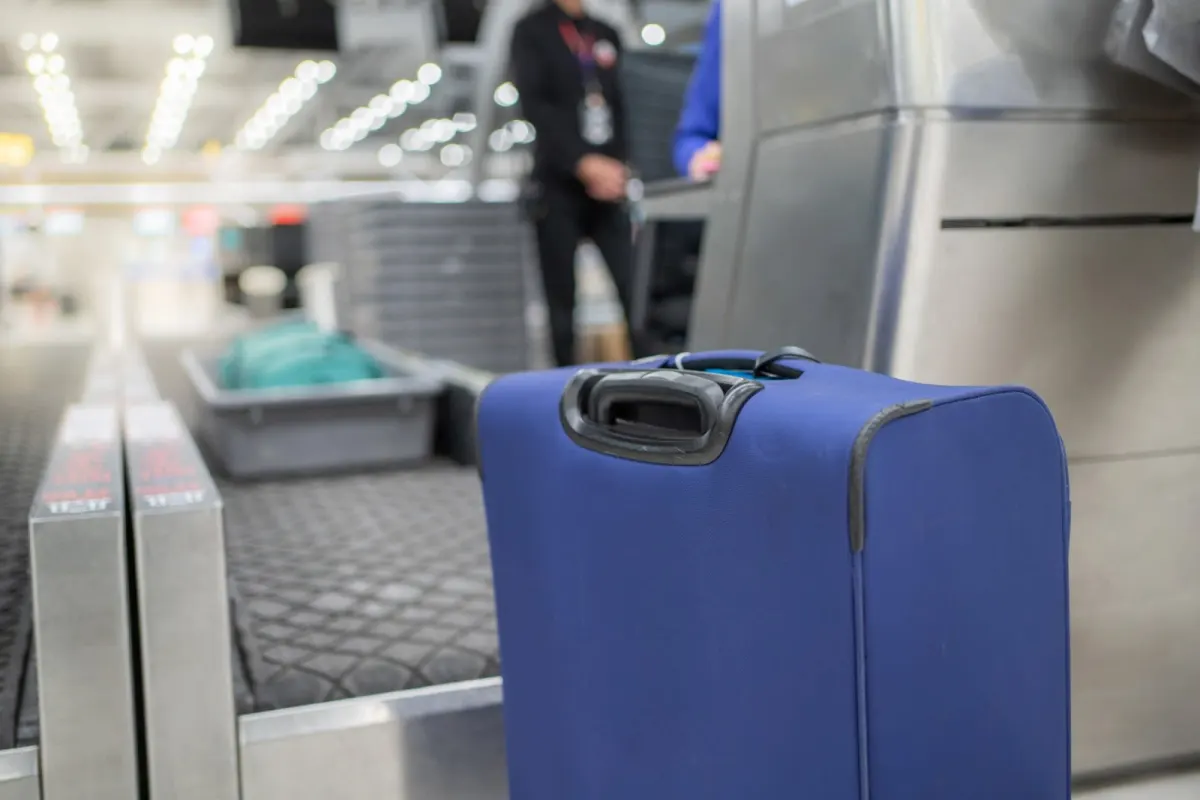
A Southwest passenger's complaint about a gate agent at Denver forcing a carry-on check highlights rising tensions over airline baggage policy enforcement.
Key Takeaways
- •Highlights a growing conflict between strict airline carry-on policies and passenger expectations at the gate.
- •Concerns a Travelpro bag that exceeds Southwest's 10-inch depth limit when its 2-inch expansion is used.
- •Occurs as the IATA reports global air travel demand grew 5.0%, increasing pressure on limited cabin space.
- •Reveals significant customer service challenges for gate agents tasked with enforcing baggage rules to ensure on-time departures.
A frequent flyer's complaint against a Southwest Airlines gate agent at Denver International Airport (DEN) has ignited discussion over the carrier's enforcement of its carry-on policy. The incident, which involved a popular model of luggage used by flight crews, underscores the growing friction between passengers and airlines as rising demand puts pressure on limited overhead bin space.
The passenger, an A-List member, alleged they were unfairly singled out and forced to check a bag that they had carried on hundreds of previous flights. The core of the dispute appears to be the bag's dimensions when expanded, a subtle but critical detail in an era of increasingly strict rule enforcement.
The Incident at Denver
According to a social media post, the traveler claimed their bag was compliant with Southwest's length and width requirements but was slightly thicker than the limit. The gate agent allegedly escalated the situation without allowing the passenger to rearrange the bag's contents. The passenger described the agent as shouting and accusing them of being disruptive, creating a public scene.
The luggage in question was identified as a Travelpro Platinum Elite Expandable Spinner, a brand frequently used by pilots and flight attendants. According to manufacturer specifications, the bag's base dimensions are 21 x 14 x 9 inches. However, it features a 2-inch expansion system. When used, the bag's depth increases to 11 inches, exceeding Southwest Airlines' stated 10-inch depth limit. This technical non-compliance, particularly when a bag is fully packed, is often the trigger for such gate-side disputes.
Another traveler claiming to have witnessed the event described a similar interaction involving the same gate agent and a different passenger, suggesting a pattern of strict enforcement at the gate in Denver.
Travelpro Carry-On vs. Southwest Limits
| Metric | Travelpro Platinum Elite | Southwest Limit |
|---|---|---|
| Length | 21 in | 24 in |
| Width | 14 in | 16 in |
| Depth (Unexpanded) | 9 in | 10 in |
| Depth (Expanded) | 11 in | 10 in |
Industry Context: Rising Demand and Limited Space
The incident does not exist in a vacuum. It reflects a broader operational challenge facing the entire airline industry. As passenger volumes recover and grow, overhead bin space, especially on narrowbody aircraft like the Boeing 737s that comprise Southwest's fleet, has become a premium and finite resource.
Data from the International Air Transport Association (IATA) confirms this pressure. Willie Walsh, Director General of IATA, noted that global air travel demand grew by 5.0% year-on-year in May 2025. This steady increase in passengers directly correlates with fuller cabins and a higher likelihood of baggage conflicts during boarding. Strict enforcement of carry-on size limits is one of the primary tools airlines use to ensure on-time departures, as finding space for oversized bags during boarding can cause significant delays.
This trend has a direct impact on several stakeholders. For gate agents, they are caught between enforcing company policy to maintain schedules and managing customer satisfaction, often leading to high-stress confrontations. For frequent flyers, who may feel their loyalty should afford them some flexibility, rigid enforcement can feel like a devaluation of their elite status. Finally, for luggage manufacturers, the focus on exact dimensions, especially depth, may necessitate design changes for bags marketed as 'carry-on compliant.'
Historical Precedents
The tension over baggage fees and enforcement is not new. In 2023, Frontier Airlines faced significant public backlash and legal challenges over allegations that its gate agents were financially incentivized to charge passengers for oversized personal items. That controversy demonstrated how aggressive enforcement policies, while potentially boosting ancillary revenue and ensuring compliance, can inflict considerable damage on an airline's brand and customer relations. The current Southwest incident, while centered on a carry-on rather than a personal item, echoes the same core conflict between policy and passenger perception.
What Comes Next
The passenger who posted the complaint has filed a formal complaint with Southwest Airlines and encouraged the witness to do the same. The airline's response will be a key indicator of its stance on balancing operational efficiency with customer service, particularly for its loyal A-List members. While an isolated incident is unlikely to trigger a system-wide policy change, a pattern of similar complaints could prompt a review of gate agent training and procedures for handling baggage disputes.
Why This Matters
This incident is significant because it encapsulates the growing pains of a post-recovery aviation industry. For airlines, it highlights the operational necessity of strict policy enforcement to manage crowded cabins and maintain on-time performance. For travelers, it serves as a crucial reminder that as aircraft become fuller, adherence to baggage size limits is no longer a suggestion but a requirement, with little room for the discretion that frequent flyers might have once expected.
Get breaking commercial aviation news and expert airline analysis at omniflights.com. Follow aviation sustainability efforts, emissions research, and green initiatives in the Environmental section at omniflights.com/environmental.
Written by Hardik Vishwakarma
Co-Founder & Aviation News Editor leading initiatives that improve trust and visibility across the global aviation industry. Covers airlines, airports, safety, and emerging technology.
Visit ProfileYou Might Also Like
Discover more aviation news based on similar topics
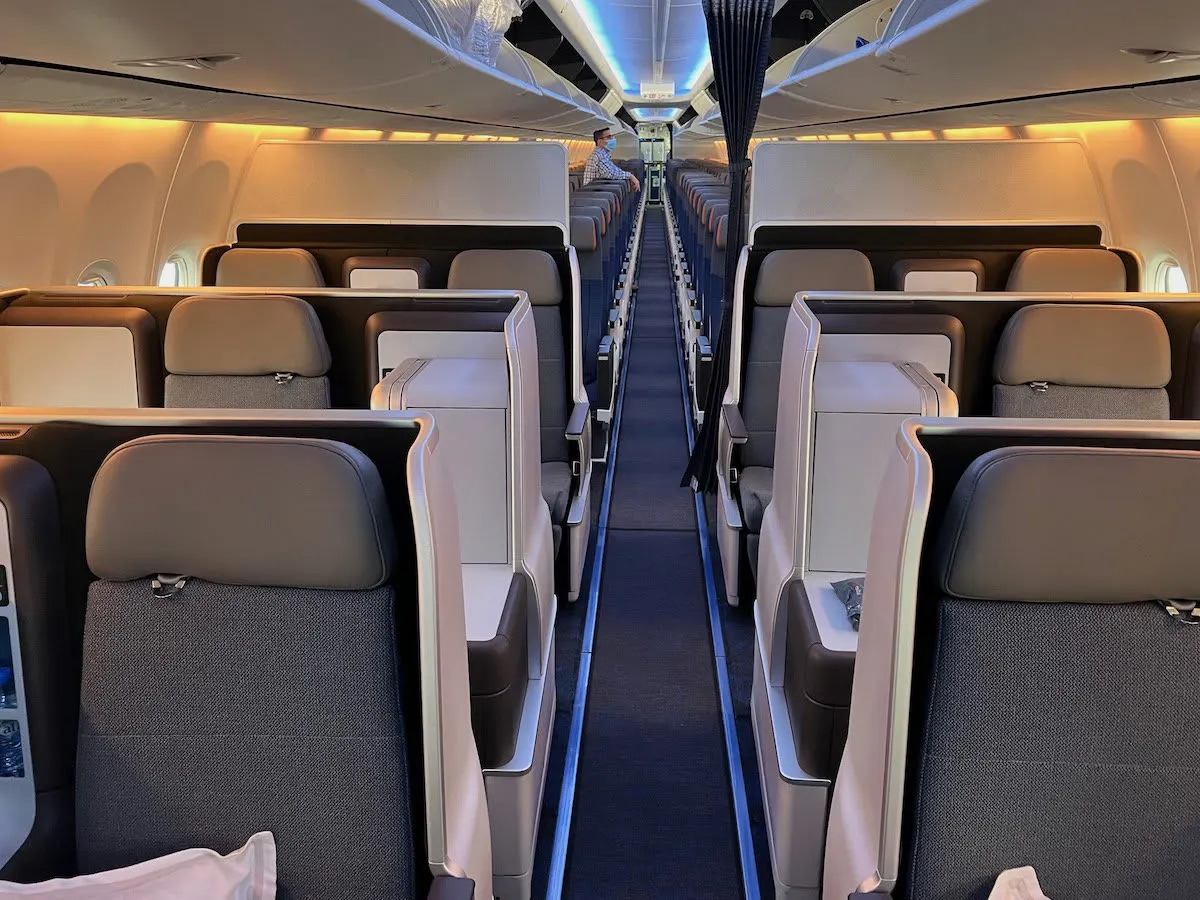
Flydubai Upgrading 21 Boeing 737 MAX 8s to Flat Bed Seats
Flydubai is retrofitting 21 Boeing 737 MAX 8 aircraft with lie-flat business class seats to standardize its premium product by late 2027.
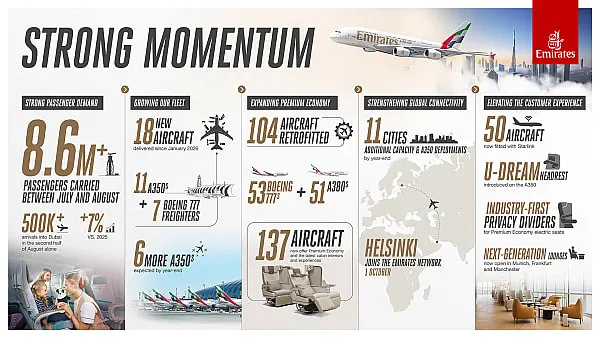
Emirates Winter Booking Momentum Grows Amid Fleet Expansion
Emirates carried 8.6 million passengers this summer and enters winter with strong demand as it accelerates fleet retrofits and network growth.
Air Arabia Consortium Gains AOC for New Dammam Budget Airline
A Saudi GACA-led consortium including Air Arabia has secured an AOC to launch a new budget airline based at Dammam's King Fahd International Airport.
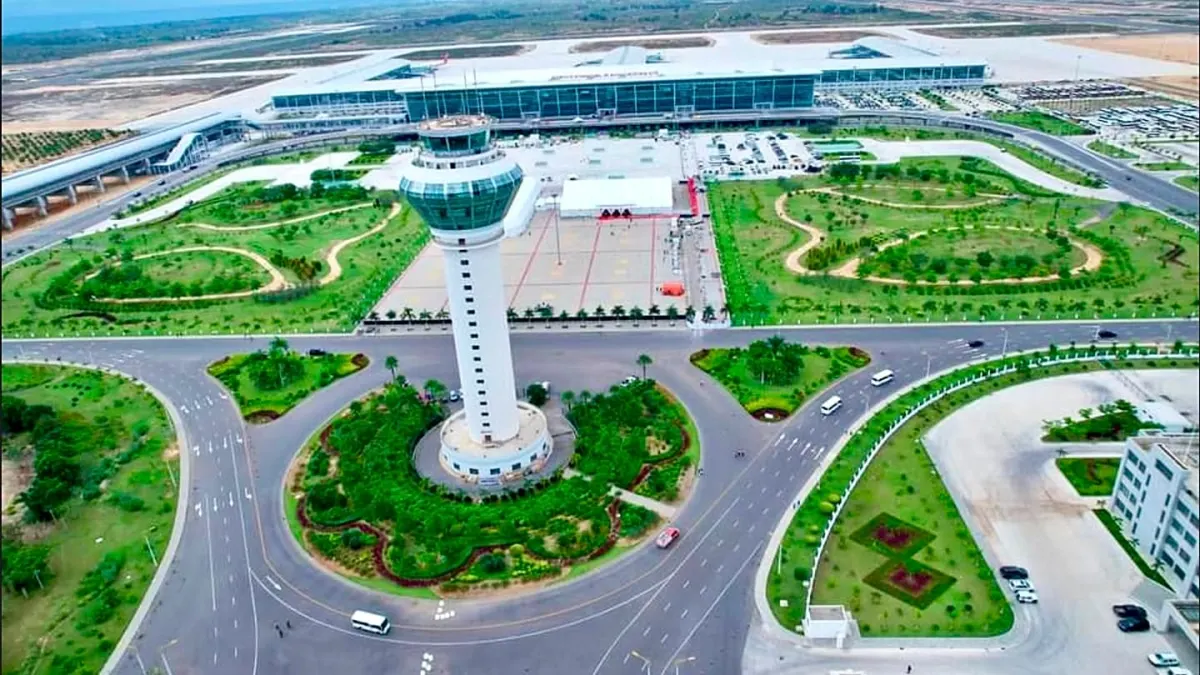
Turkish Airlines Exits Luanda as Angola Hub Struggles
Turkish Airlines dropped its Luanda route as Angola's new airport struggles to attract traffic, handling only 756,028 passengers in 2025.
Red Sea Airlines Leases Two 737 MAX 8s for 2027 Expansion
Red Sea Airlines signed a lease for two Boeing 737 MAX 8 aircraft from SMBC Aviation Capital, arriving in 2027 to support its 14-aircraft fleet goal.
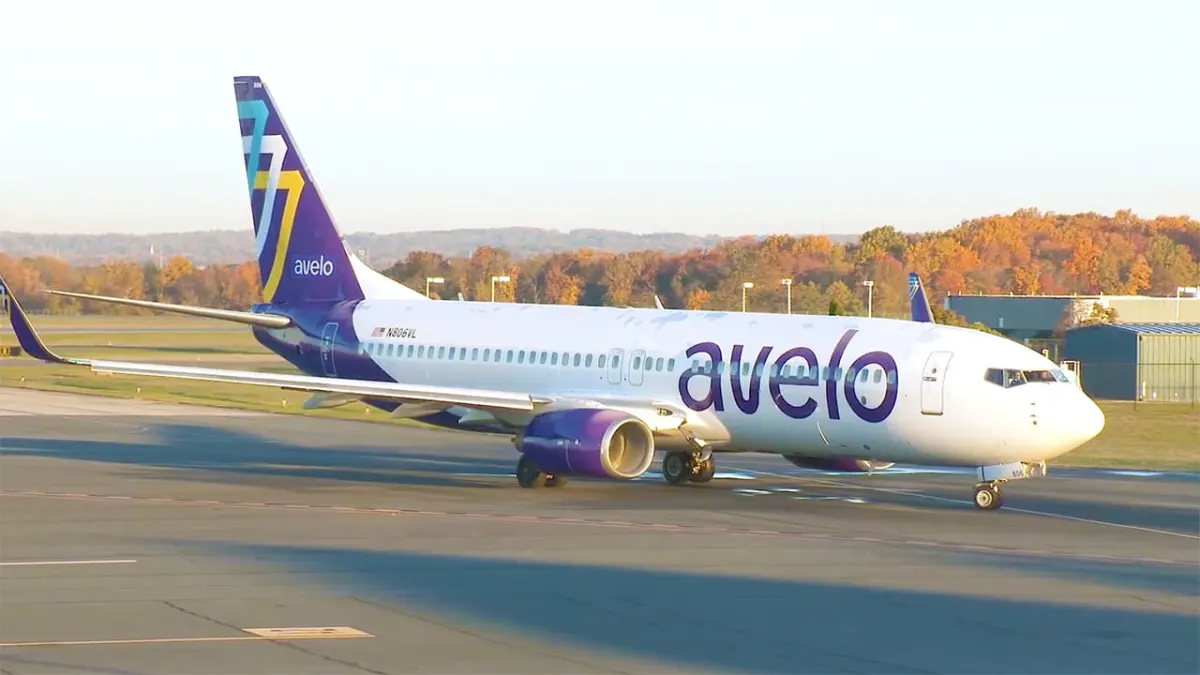
Avelo CEO Warns Airfares May Rise on Jet Fuel Price Spikes
Avelo Airlines CEO Andrew Levy warns that rising fuel costs may force fare increases as global jet fuel prices reach $171.01 per barrel.