Southwest Airlines Exits ORD and IAD in Network Overhaul

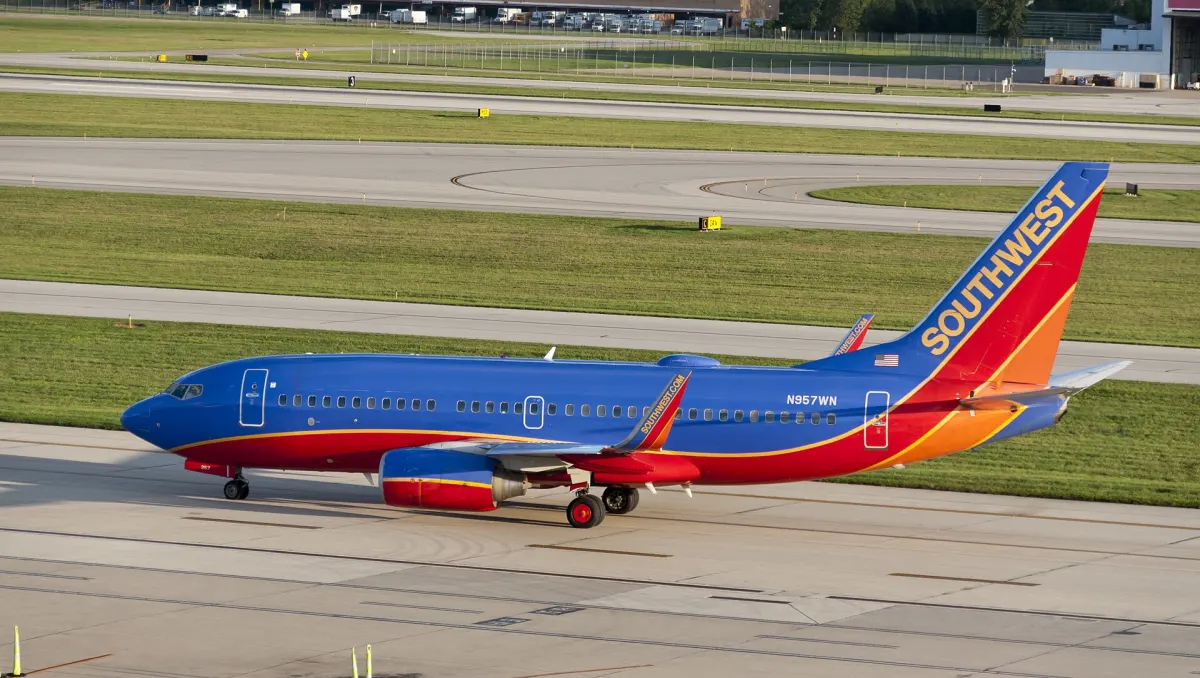
Southwest Airlines has finalized its exit from Chicago O'Hare and Washington Dulles as part of a strategic summer network restructuring.
Key Takeaways
- •Southwest exited ORD and IAD on June 4, 2026.
- •The airline removed 43 Florida-connected routes this summer.
- •Capacity is being consolidated at MDW and BWI/DCA hubs.
- •Strategic shift targets higher-return, high-demand travel corridors.
Strategic Network Realignment
Southwest Airlines is executing a massive summer flight network restructuring, including significant Southwest Airlines route cuts and a complete exit from major airports. The carrier has officially discontinued operations at Chicago O'Hare International Airport (ORD) and Washington Dulles International Airport (IAD) as of June 4, 2026. This move follows a strategic shift toward consolidating capacity at more efficient hubs, according to the Southwest Airlines press release.
Operational Impacts and Capacity Management
Beyond the airport exits, the airline has removed 43 routes connecting Florida from its summer schedule. These Florida flight schedule changes focus on thinner, seasonal point-to-point connections that failed to meet internal financial benchmarks. As detailed in the Q1 2026 SEC 8-K filing, Southwest is prioritizing the reallocation of resources toward higher-return opportunities. This airline network restructuring is a direct response to cost-control pressures, including higher fuel prices and ongoing aircraft delivery delays.
Bob Jordan, President and Chief Executive Officer of Southwest, noted in the Q1 2026 earnings release that the airline remains focused on optimizing revenue initiatives. By consolidating regional operations at Chicago Midway International Airport (MDW) and Baltimore/Washington International Thurgood Marshall Airport (BWI), the airline aims to strengthen its dominant market positions.
Competitive and Regional Implications
For United Airlines, the exit from ORD and IAD removes a primary low-cost competitor, potentially increasing pricing power at these major hubs. Conversely, the Florida tourism sector may face challenges, as the removal of 43 direct routes could force travelers into more complex connecting itineraries. While Southwest frames these exits as essential for financial health, industry analysts have argued that the reduced low-cost competition could lead to higher fares for consumers in the affected markets.
Historical Precedents in Network Strategy
This consolidation pattern mirrors the airline's November 2019 decision to exit Newark Liberty International Airport (EWR). In that instance, Southwest consolidated its New York-area operations at LaGuardia Airport (LGA) to improve financial performance. The current exit from ORD and IAD follows this historical precedent, indicating a long-term preference for focusing on strongholds where the airline maintains high market share rather than competing at congested international gateway airports.
The Logic of Hub Consolidation
This development signals a transition in the carrier's business model from aggressive point-to-point expansion to a more disciplined, capacity-constrained strategy. The data suggests that the airline is prioritizing high-frequency routes over secondary markets that require higher overhead costs. Historically, similar situations have led to improved operating margins, though the immediate impact is a reduced footprint in major metropolitan areas. As the industry navigates a period of constrained aircraft supply, Southwest’s move to concentrate assets at MDW and BWI reflects a wider trend of carriers tightening their networks to protect profitability amid inflationary pressures.
Future Capacity Allocation
Moving forward, the airline is expected to focus on high-demand corridors that offer better return on invested capital. The consolidation of staff and aircraft at MDW and BWI is already complete, with the carrier now directing its remaining fleet toward markets with stronger year-round demand. Future network adjustments will likely remain tied to the carrier's ability to manage its fleet composition and fuel expenses throughout the remainder of 2026.
Frequently Asked Questions
- Why did Southwest Airlines decide to exit Chicago O'Hare and Washington Dulles?
- Southwest exited these airports to consolidate capacity at more efficient hubs like Chicago Midway and Baltimore/Washington. This strategy aims to direct resources toward higher-return opportunities and manage costs amid higher fuel prices.
- How many Florida routes did Southwest Airlines cut in its summer schedule?
- Southwest removed 43 routes connecting Florida from its summer 2026 schedule. These cuts primarily targeted thinner, seasonal point-to-point connections.
For global airline trends and commercial aviation news, turn to omniflights.com. Follow aviation sustainability efforts, emissions research, and green initiatives in the Environmental section at omniflights.com/environmental.

Written by Ujjwal Sukhwani
Aviation News Editor & Industry Analyst delivering clear coverage for a worldwide audience. Covers flight operations, safety regulations, and market trends with expert analysis.
Visit ProfileYou Might Also Like

KLM Receives First A350-900 De Nachtwacht for Fleet Renewal
Flydubai Upgrading 21 Boeing 737 MAX 8s to Flat Bed Seats
Emirates Winter Booking Momentum Grows Amid Fleet Expansion

Air Arabia Consortium Gains AOC for New Dammam Budget Airline
Turkish Airlines Exits Luanda as Angola Hub Struggles